


Hofstatter
Oberkerschbaum Vigna Sauvignon Riserva 2023
Other years:
2022| Denomination | DOC Alto Adige Sauvignon Riserva |
|---|---|
| Size | 0,75 l |
| Alcohol content | 13.0% by volume |
| Area | Trentino Alto Adige (Italy) |
| Grape varieties | 100% Sauvignon |
| Aging | After fermentation, the wine matures for 8 months on the fine lees with weekly bâtonnage; ageing in second- and third-fill barriques. |
| Other years | 2022 |
- Grape variety and designation: 100% Sauvignon Blanc Alto Adige DOC, still white wine Riserva 2023
- Mountain vineyard: single Oberkerschbaum plot at 770-800 metres, south-west exposure
- Ageing: 8 months on fine lees with bâtonnage in second and third use barriques
- Aromatic notes: hints of mango, pineapple, grapefruit, bergamot, flint and nettle
- Serving temperature and pairing: 8-10 °C with grilled fish, seafood and spicy dishes


Description
What kind of wine it is
The Oberkerschbaum Vigna Sauvignon Riserva by Hofstätter is a still white wine with controlled designation of origin and an elegant profile, made from Sauvignon Blanc grapes. An authentic expression of Alto Adige, it is fermented at a controlled temperature and aged in barrels, presenting in the glass with an intense straw yellow colour enriched by greenish highlights. The aromatic bouquet is layered and complex, with exotic notes of mango and pineapple intertwined with citrus tones of grapefruit and bergamot. On the palate, it reveals a harmonious complexity and an enveloping density, offering a structured yet smooth sip, ideal for pairing with grilled fish, seafood, and spicy cuisine.
Where it comes from
The grapes come exclusively from the Oberkerschbaum Vineyard, located in the Pochi di Salorno area at almost eight hundred metres above sea level. The vineyard stretches across a south-west facing slope, characterised by soils rich in volcanic porphyry and moraine deposits. This particular geological composition acts as a selective terroir, naturally balancing vine growth. The intense mountain sunlight helps define the wine’s crisp style, imparting unmistakable mineral notes to the aromatic profile, supported by persistent hints of flint and nettle.
How it is produced
The winemaking process begins with manual harvesting and gentle crushing of the bunches. The must rests for a few hours in contact with the skins, encouraging the extraction of varietal characteristics. After gentle pressing, fermentation takes place at a controlled temperature to preserve the definition of the aromas. The wine then matures for eight months on fine lees, supported by weekly bâtonnage which adds further depth to the palate. The final ageing takes place in second and third passage barrels, a technical choice aimed at ensuring a subtle wood imprint, preserving the expressive purity of the fruit.
History and Curiosities
The exclusive Vigna Oberkerschbaum designation identifies a single parcel of excellence, where the J. Hofstätter Estate cultivates this prestigious Sauvignon Riserva. At almost 800 metres above sea level, the intense sunlight and soils of volcanic porphyry and glacial deposits create a unique and selective environment.
Tasting notes

Perfume

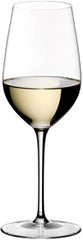
Color

Taste
Serve at:
12 - 14 °C
Longevity:
05 - 10 years
- Start up year: 1907
- Oenologist: Martin Foradori Hofstätter
- Bottles produced: 800.000
- Hectares: 50
We uphold the highest standards every single day. In the vineyard, this means nurturing our vines through gentle pruning and the use of cover crops to enhance their strength. In the wine cellar, innovation meets tradition, as we age our wines in both classic wooden barrels and modern concrete vats. Cutting-edge cellar technology also plays an essential role in ensuring the quality of our wines. Read more


| Name | J. Hofstatter Oberkerschbaum Vigna Sauvignon Riserva 2023 |
|---|---|
| Type | White still |
| Denomination | Alto Adige DOC |
| Vintage | 2023 |
| Size | 0,75 l |
| Alcohol content | 13.0% by volume |
| Grape varieties | 100% Sauvignon |
| Country | Italy |
| Region | Trentino Alto Adige |
| Vendor | Hofstatter |
| Story | History and Curiosities The exclusive Vigna Oberkerschbaum designation identifies a single parcel of excellence, where the J. Hofstätter Estate cultivates this prestigious Sauvignon Riserva. At almost 800 metres above sea level, the intense sunlight and soils of volcanic porphyry and glacial deposits create a unique and selective environment. |
| Origin | Pochi di Salorno |
| Climate | Altitude: 750-800 m a.s.l. |
| Soil composition | Argilla, ghiaia calcarea |
| Production technique | Temperature-controlled fermentation with brief maceration on the skins, ageing on fine lees with bâtonnage and maturation in barriques (second and third use) |
| Wine making | The grapes are gently crushed and the must is left in contact with the skins for a few hours to enhance the varietal characteristics. After a gentle pressing and settling of the must, fermentation takes place at a controlled temperature. |
| Aging | After fermentation, the wine matures for 8 months on the fine lees with weekly bâtonnage; ageing in second- and third-fill barriques. |
| Allergens | Contains sulphites |