

Chartogne Taillet
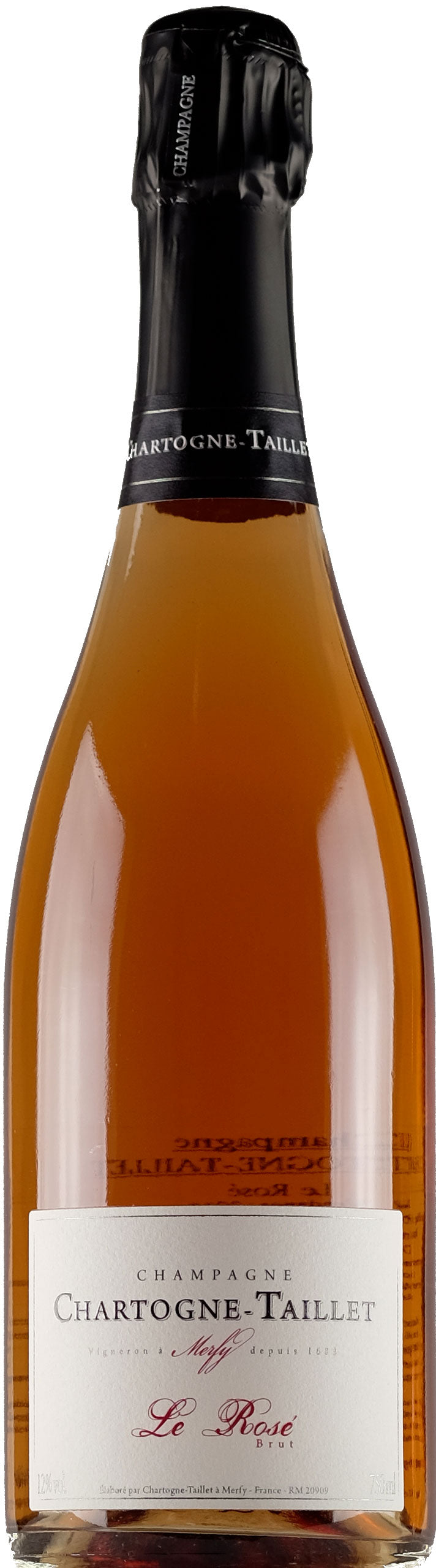
Champagne Le Rosé Brut
| Denomination | Champagne AOC |
|---|---|
| Size | 0,75 l |
| Alcohol content | 12.0% by volume |
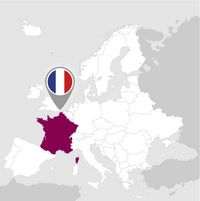
| Area | Champagne region (France) |
| Grape varieties | Chardonnay, Pinot Nero |
| Biologic | Sì |
| Product name | Champagne Le Rosé Brut |
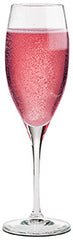
| Color | Pink tending to orange. |
| Perfume | Aromas of strawberry and creamy fruit with spicy notes. |
| Taste | Fresh, mineral and creamy with a spicy final. |
| Production method | The grapes are pressed in one of two pneumatic presses that work differently. The first press exposes the wine to the air, while the second offers more protection against oxygen. The pressing stage is a long and delicate phase. Fermentation is the next step after pressing, and is carried out with indigenous yeasts, preserving all the initial characteristics of the wine. Malolactic fermentation takes place naturally. |
| Region | Champagne region |
| Country | France |
Description
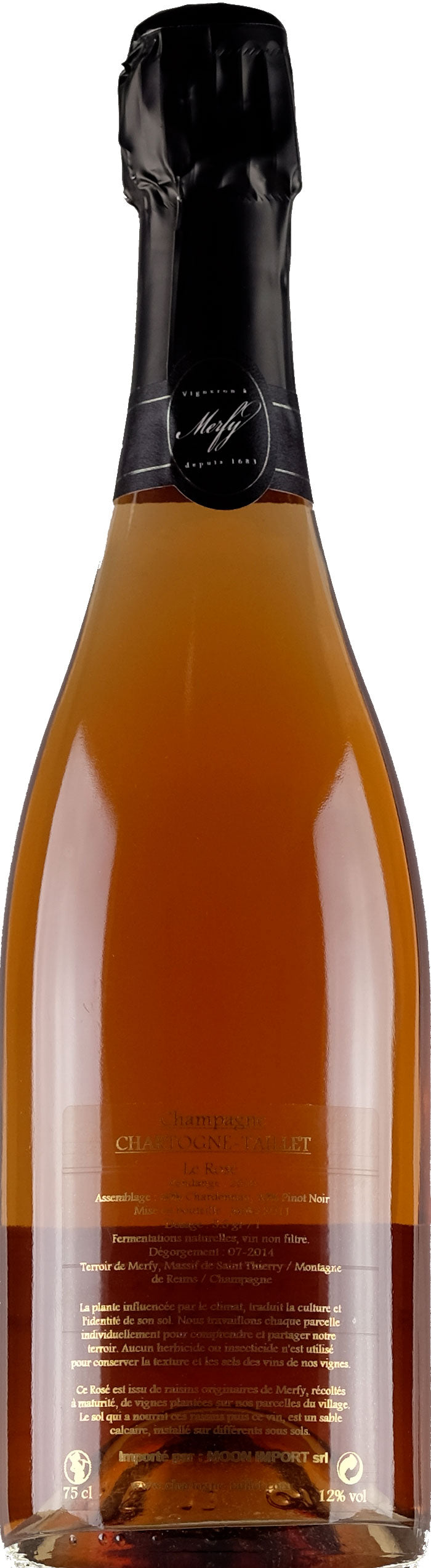
Classic method brut sparkling rosé from Champagne, France. Produced by Chartogne Taillet. Blend of Chardonnay and Pinot Noir. 0.75L bottle. A rosé that embodies the sophistication of Champagne, with aromas of strawberry and creamy fruit, enriched with spicy notes. The Merfy winemakers, together with the abbey, have shaped the viticultural landscapes of our hills, meticulously separating each plot based on its geological origins, soils, subsoils, etc. The grapes are pressed in one of two pneumatic presses that operate differently. The first press exposes the wine to air, while the second offers greater protection from oxygen. Fresh, mineral, and creamy with a spicy finish.
Awards
-
 93
93/100
James Suckling is an influential American wine critic and journalist who worked at Wine Spectator for 30 years. He left the magazine in 2010 to start his own website and guidebook (JamesSuckling.com). He specialises in Italian and Bordeaux wines.
-
 91
91/100
The prestigious international wine guide from the renowned Robert Parker, the world's most experienced and trusted wine taster.
-
 93
93/100
Wine spectator is the most influential wine guide on the internet.
Details

Perfume
Color
Taste
Serve at:
06 - 08 °C.
Longevity:
15 - 25 years
Pairings
- Start up year: 1485
- Oenologist: Alexandre Chartogne
- Hectares: 11
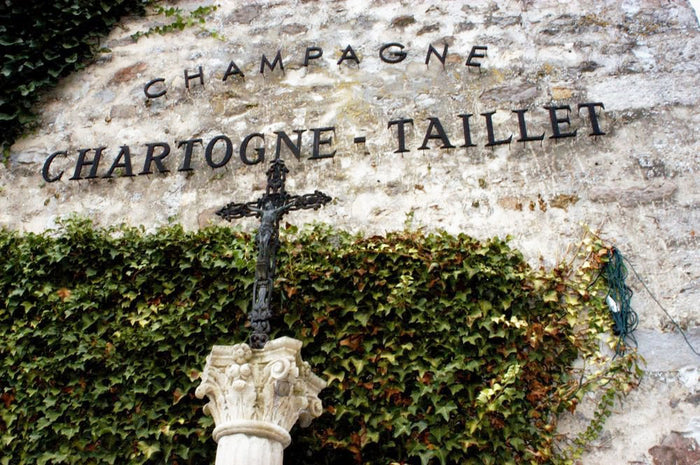
The family's wine-making tradition traces back to 1490, with Nicolas Taillet and Fiacre Taillet in 1540. In 1700, a second Fiacre Taillet, a learned winegrower, wrote his memoirs recounting his life and all the important events in the village, his family and his profession. The Chartogne-Taillet family continues this tradition and savoir-faire inherited from this winegrowing heritage. Read more

| Name | Chartogne Taillet Champagne Le Rosè Brut |
|---|---|
| Type | Rosé green classic method sparkling wine brut |
| Denomination | Champagne AOC |
| Size | 0,75 l |
| Alcohol content | 12.0% by volume |
| Grape varieties | Chardonnay, Pinot Nero |
| Country | France |
| Region | Champagne region |
| Vendor | Chartogne Taillet |
| Origin | Les Orizeaux. |
| Soil composition | Limestone-sandy. |
| Production technique | The grapes are pressed in one of two pneumatic presses that work differently. The first press exposes the wine to the air, while the second offers more protection against oxygen. The pressing stage is a long and delicate phase. Fermentation is the next step after pressing, and is carried out with indigenous yeasts, preserving all the initial characteristics of the wine. Malolactic fermentation takes place naturally. |
| Wine making | In stainless-steel tanks with natural yeasts. No filtration is carried out. |
| Residual sugar | 5.5 gr/L |
| Allergens | Contains sulphites |