
Marchesi Antinori
Solaia 2003
| Denomination | Toscana IGT |
|---|---|
| Size | 0,75 l |
| Alcohol content | 14.0% by volume |
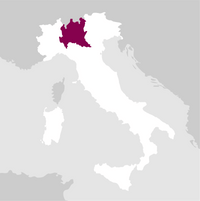
| Area | Tuscany (Italy) |
| Grape varieties | 75% Cabernet Sauvignon, 20% Sangiovese, 5% Cabernet Franc |
| Aging | After the svinatura, carried out to finished alcoholic fermentation, the wines have been introduced in new oak barriques wiith the attempt, successful, to make to happen the malolactic fermentation within the end dell' year. |
| Year | 2003 |
| Product name | Solaia 2003 |
| Color | Very intense ruby red colour. |
| Perfume | At nose is introduced quickly important. It is a wine in which the scents of the fruit come conserved in a perfect harmony with the sentori of vaniglia and chocolate of the wood. |
| Taste | To the tasting, Solaia 2006 introduces a palate of high power, supported from an obvious, but soft tannic webbing and many persistence after a sure permanence in the glass. The notes of mature fruit, mora and cherry compose retrogusto intense and a persistence that seem almost interminable. |
| Production method | Devatting, at the end of alcoholic fermentation, the wines were placed in new oak barriques where malolactic fermentation took place by the end of the year. |
| Pairings | First plates to the gravy, red and white meats, mannered and cheeses, wine from meditation. |
| Region | Tuscany |
| Country | Italy |
| Other years | 2005 , 2000 , 2002 , 2022 |
Description
As a result of an rainy and decidedly cold autumn and a rigid winter with consisting precipitations, the plants have sprouted with light delay regarding the average of the vintage years precedence. Also in spring they have been taken place of the precipitations that do not have but compromise regulating formation and increase of the clusters. In the second half of July high temperatures have been caught up much but to August the time newly is changed, with frequent precipitations and inferior temperatures to the average. The optimal climatic conditions of september and October, with regular thermal excursions that have favorite a perfect maturation of the grapes, have allowed to a grape harvest much favorable one from the which-quantitative point of view with grapes of highest level.
Awards
-
2003
 95
95/100
Wine spectator is the most influential wine guide on the internet.
Details

Perfume

Color

Taste
Serve at:
18 - 20 °C.
Longevity:
15 - 25 years
Decanting time:
2 hours
Pairings
- Start up year: 1385
- Oenologist: Renzo Cotarella
The Antinori family’s first encounter with wine dates back to 1385, when Giovanni di Piero Antinori joined the Guild of Wine Merchants to make the best use of the family’s country properties in Valdarno, around Florence.
However, it was not until the 16th century that banker and merchant Alessandro Antinori made the wine from his estates famous in Italy and abroad, travelling from Lyons to Flanders, and from Spain to Algiers.
Wine was to remain the family’s passion and main business activity, so much so that in 1898 the "Fattoria dei Marchesi Lodovico e Piero Antinori" was created by brothers Lodovico and Piero, the sons of Marchese Niccolò – a direct descendent of that other Niccolò who purchased Palazzo Antinori in 1506 and poured his efforts into publicising Tuscan wines around the world and creating fine quality products. For 26 generations the Antinori family have continued to make history.
In 2023, at the beginning of February, Villa Antinori Toscana IGT 2019 was named the third wine in the world, the only Italian wine, in Wine Specator's Top 10 Values 2022: the list of the 10 wines that according to the American magazine represent world excellence in terms of value for money. Read more
| Name | Antinori Solaia 2003 |
|---|---|
| Type | Red still |
| Denomination | Toscana IGT |
| Vintage | 2003 |
| Size | 0,75 l |
| Alcohol content | 14.0% by volume |
| Grape varieties | 75% Cabernet Sauvignon, 20% Sangiovese, 5% Cabernet Franc |
| Country | Italy |
| Region | Tuscany |
| Vendor | Marchesi Antinori |
| Origin | Solaia is a vineyard of approximately 10 hectares exposed to the south-west between the 350 and 400 meters s.l.m on a limestone full of rocks ground with cliff of alberese, situated near Held Tignanello. |
| Soil composition | Limestone full of rocks ground with alberese cliff |
| Yield per hectare | Less than 8..000 kg |
| Harvest | As a result of an rainy and decidedly cold autumn and a rigid winter with consisting precipitations, the plants have sprouted with light delay regarding the average of the vintage years precedence. Also in spring they have been taken place of the precipitations that do not have but compromise regulating formation and increase of the clusters. In the second half of July high temperatures have been caught up much but to August the time newly is changed, with frequent precipitations and inferior temperatures to the average. The optimal climatic conditions of september and October, with regular thermal excursions that have favorite a perfect maturation of the grapes, have allowed to a grape harvest much favorable one from the which-quantitative point of view with grapes of highest level. |
| Fermentation temperature | For all and the three varieties the fermentations have been lead with medium temperatures of 27°, without never to exceed the 31°, so as to preservare to the maximum olfattive feelings and tipicità of the fruit. Sin from quickly musts has evidenced a great complexity, a great varietale tipicità in scents, elegance, color making quickly to foresee a vintage year of great potentiality. |
| Fermentation | Le condizioni climatiche del periodo vendemmiale hanno garantito la possibilità di raccogliere le uve con un livello qualitativo di assoluto valore. E’stata comunque posta molta attenzione alle selezioni in vigneto, in modo da far arrivare in cantina grappoli perfetti. La raccolta è stata fatta rigorosamente a mano, a parcelle di vigneto di 1 ettaro in base al vigore delle piante. Le uve di Sangiovese sono state raccolte nella prima decade di Ottobre, mentre i Cabernet, Franc e Sauvignon nella seconda metà dello stesso mese. Come sempre si è prestata molta cura alle fasi fermentativa ed estrattiva, effettuando délestage e rimontaggi nel rispetto degli aromi varietali e dell’elevato contenuto in colore degli acini. |
| Production technique | Devatting, at the end of alcoholic fermentation, the wines were placed in new oak barriques where malolactic fermentation took place by the end of the year. |
| Aging | After the svinatura, carried out to finished alcoholic fermentation, the wines have been introduced in new oak barriques wiith the attempt, successful, to make to happen the malolactic fermentation within the end dell' year. |
| Allergens | Contains sulphites |