


Bottega
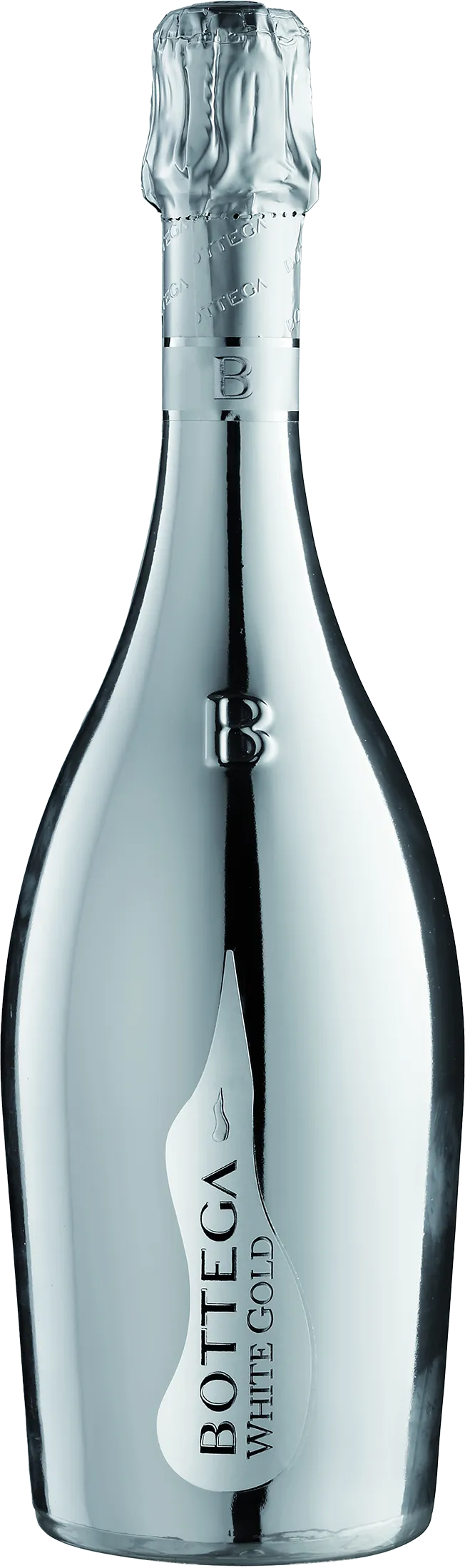
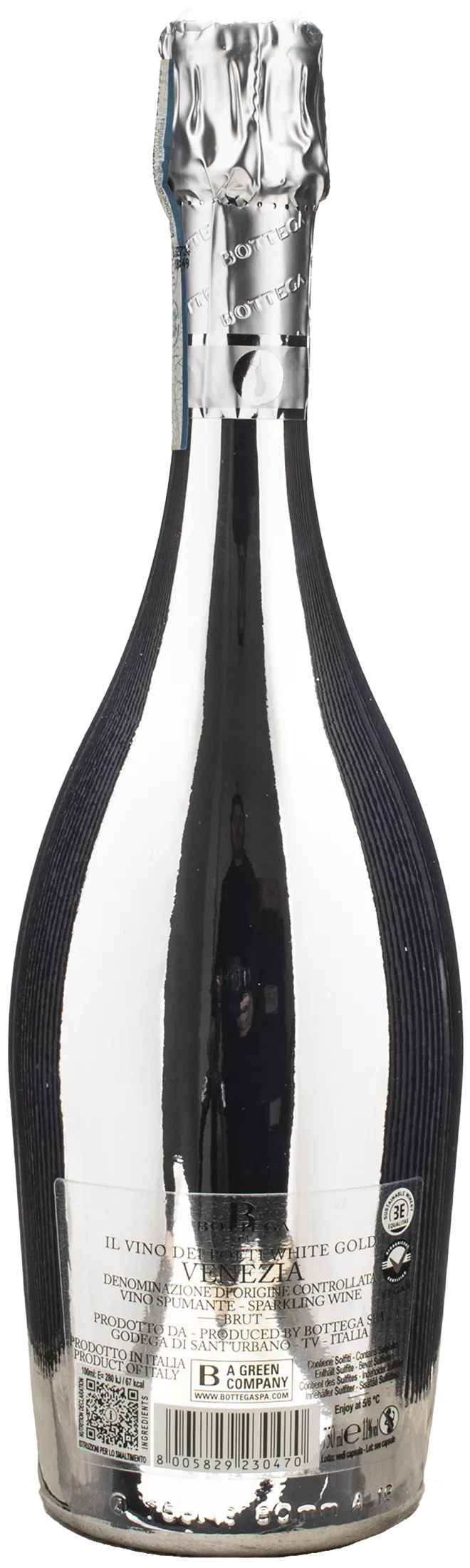
White Gold Venezia DOC Brut
| Denomination | DOC Venezia Bianco Spumante |
|---|---|
| Size | 0,75 l |
| Alcohol content | 11.0% by volume |
| Area | Veneto (Italy) |
| Grape varieties | Chardonnay, Glera, Pinot Bianco, Pinot Grigio, Pinot Meunier, Pinot Nero |
| Aging | First fermentation in stainless steel tanks with selected yeasts; about 5% of the cuvée aged for 6 months in barriques (medium-toasted French oak and lightly toasted acacia); second fermentation in autoclave at 14°C, then cold stabilisation, filtration and bottling. |
- Name and alcohol content: Venezia DOC, 11% vol; Brut sparkling wine suitable for various occasions
- Grape varieties used: Glera, Chardonnay, Pinot Blanc, Pinot Grigio, Pinot Noir and Pinot Meunier
- Vinification method: Charmat method in autoclave at 14°C; 5% of the wine aged for 6 months in barrique
- Characteristic aromas: apple and peach, hawthorn flowers, hints of honey and dried fruit
- Serving temperature and pairings: 6–8°C; recommended with sushi, seafood, risottos and cheeses
Description
What kind of wine it is
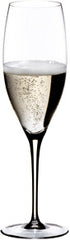
Bottega White Gold is a Brut sparkling wine with a dry, fresh and velvety profile, produced by Bottega. It is created from a balanced blend that combines Glera, Chardonnay, Pinot Bianco, Pinot Grigio, Pinot Noir and Pinot Meunier. Visually, it displays a straw yellow colour with golden highlights and a fine and persistent perlage. On the nose, it reveals clear fruity notes of apple and peach, accompanied by elegant floral hints of hawthorn, honey and dried fruit. On the palate, it is soft and enveloping, offering a pleasant aromatic clarity and a long, refreshing finish.
Where it comes from
The grapes come from the Venice area, a region stretching from the foothills to the Adriatic Sea and the Caorle lagoon. The humid temperate climate is moderated by the influence of the Dolomites to the north and the beneficial proximity of the sea, ensuring excellent freshness for the grapes. The alluvial soils, formed by sediments carried by the Piave and Livenza rivers following the melting of glaciers, characterise the high plain. In these areas, the light, well-drained soils, rich in pebbles and gravel, encourage the development of intense aromas and great finesse on the palate.
How it is produced
Harvesting takes place around mid-September, with the grapes quickly transported to the winery to preserve their aromatic vitality. After destemming and gentle pressing, the must is clarified by decantation and fermented in stainless steel. Part of the blend matures for six months in French oak barrels with medium toasting and lightly toasted acacia, giving the wine an ideal balance. The sparkling process is carried out using the Charmat Method, with a second fermentation in a temperature-controlled autoclave, followed by cold stabilisation and filtration.
History and Curiosities
Born from the historic family winery Bottega, founded in 1977, this elegant Venezia DOC celebrates the excellence of the Venetian sparkling wine tradition. Housed in a luxurious silver metallic bottle, it represents a true jewel of design and taste. The prestigious cuvée, sparkling using the Charmat method after partial ageing in oak and acacia barrels, guarantees a fine and persistent perlage. Awarded 91 points by Decanter, this exceptional Brut captivates with its refined notes of apple, peach and honey.
Awards
-
 91
91/100
Decanter is a wine and lifestyle magazine, published monthly in around 90 countries. The magazine includes industry news, classic guides and advice on wine and spirits.
-
 89
89/100
James Suckling is an influential American wine critic and journalist who worked at Wine Spectator for 30 years. He left the magazine in 2010 to start his own website and guidebook (JamesSuckling.com). He specialises in Italian and Bordeaux wines.
Tasting notes

Perlage
Perfume

Color

Taste
Serve at:
06 - 08 °C
Longevity:
03 - 05 years
- Start up year: 1977
- Oenologist: Fabrizio Dorigo
Bottega products are made with unique ingredients, craftsmanship and reflect the company's constant dedication to quality and sustainability.
Bottega's commitment to sustainability is also paramount: they recycle siliconised paper, use at least 85% recycled glass dark bottles, choose water-based paints for metallised bottles, follow organic farming criteria in their vineyards, and incorporate recycled ocean plastics. In addition, the company uses only 100% renewable energy. Read more


| Name | Bottega White Gold Venezia Brut |
|---|---|
| Type | White green charmat method sparkling wine brut |
| Denomination | Venezia DOC |
| Size | 0,75 l |
| Alcohol content | 11.0% by volume |
| Grape varieties | Chardonnay, Glera, Pinot Bianco, Pinot Grigio, Pinot Meunier, Pinot Nero |
| Country | Italy |
| Region | Veneto |
| Vendor | Bottega |
| Story | History and Curiosities Born from the historic family winery Bottega, founded in 1977, this elegant Venezia DOC celebrates the excellence of the Venetian sparkling wine tradition. Housed in a luxurious silver metallic bottle, it represents a true jewel of design and taste. The prestigious cuvée, sparkling using the Charmat method after partial ageing in oak and acacia barrels, guarantees a fine and persistent perlage. Awarded 91 points by Decanter, this exceptional Brut captivates with its refined notes of apple, peach and honey. |
| Origin | Between the provinces of Treviso and Venice (Venice DOC area, from the Conegliano hills to the Caorle lagoon) |
| Climate | Humid temperate climate, influenced by the Dolomites to the north and the proximity to the sea and lagoon areas |
| Soil composition | The soils consist of alluvial material derived from the melting of Alpine and pre-Alpine glaciers and transported by the Piave and Livenza rivers; in the upper plain there is a high concentration of pebbles and gravel, making the soil light, well-draining and not overly fertile. |
| Cultivation system | Sylvoz |
| Plants per hectare | 2,500 - 3,000 |
| Yield per hectare | 140 quintals per hectare |
| Harvest | Around mid-September |
| Fermentation temperature | 14 °C |
| Production technique | Charmat method (Martinotti), second fermentation in autoclave |
| Wine making | Destemming, gentle pressing of the grapes and clarification/decantation of the must; first fermentation in stainless steel tanks with selected yeasts; about 5% of the cuvée aged for 6 months in barriques (medium-toasted French oak and lightly toasted acacia); second fermentation in autoclave (Charmat/Martinotti method) at 14°C, then cold stabilisation, filtration and bottling. |
| Aging | First fermentation in stainless steel tanks with selected yeasts; about 5% of the cuvée aged for 6 months in barriques (medium-toasted French oak and lightly toasted acacia); second fermentation in autoclave at 14°C, then cold stabilisation, filtration and bottling. |
| Allergens | Contains sulphites |