


Castello della Sala (Antinori)
Nibbio della Sala 2022
| Denomination | IGT Umbria |
|---|---|
| Size | 0,75 l |
| Alcohol content | 13.0% by volume |
| Area | Umbria (Italy) |
| Grape varieties | Chardonnay |
- Grape variety and vintage: Chardonnay, still white wine Umbria IGT, harvested in 2022
- Aromatic profile: fruity aromas and clear hints of flint; golden straw yellow colour
- Taste and style: refined, elegant and balanced on the palate, with pronounced minerality
- Soil and vineyards: clay-limestone soils rich in fossils; altitude between 220 and 470 metres
- Serving and pairings: serve at 10-12 °C; suitable for lean fish and cheeses


Description
What kind of wine it is
Nibbio della Sala, produced by Castello della Sala, is a still white wine with Indicazione Geografica Tipica from Umbria. Made by enhancing Chardonnay, it displays a golden straw yellow hue. On the nose, it offers a defined aromatic profile, where fruity notes intertwine with distinctive flintstone notes. On the palate, it is refined and balanced, supported by a pronounced mineral imprint that gives depth and continuity to the sip.
Where it comes from
Production takes place near Orvieto, close to the Tuscan border. The vineyards are situated between 220 and 470 metres above sea level, benefiting from morning sun and optimal diurnal temperature variations for aromatic development. The vines sink their roots into clay-limestone soils enriched with marine fossils. This specific geology imparts a clear territorial profile to the wine, reflecting the area's vocation for white grape varieties.
How it is produced
Vinification, overseen by oenologist Massimiliano Pasquini, aims to preserve the identity of the grape variety and its place of origin. This technical approach ensures an ageing potential estimated between 10 and 15 years. To fully enhance its natural gustatory precision, it is recommended to serve at 10-12 °C. The structural balance makes this wine the ideal pairing for dishes based on lean fish and delicate cheese selections.
History and Curiosities
Since 1940, the historic Castello della Sala estate, owned by the Antinori family, has demonstrated an extraordinary aptitude for producing great Umbrian white wines. Just a short distance from Orvieto, the Chardonnay destined for Nibbio della Sala grows at altitudes between 220 and 470 metres. Thanks to exposure to the morning sun and ideal temperature variations, the grapes achieve perfect ripeness. Oenologist Massimiliano Pasquini tends vines whose roots delve into clay-limestone soils rich in fossils, which impart to the wine its unmistakable mineral character that enhances its elegance.
Tasting notes
Perfume
Color
Taste
Serve at:
10 - 12 °C
Longevity:
10 - 15 years
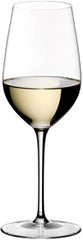
- Start up year: 1940
- Oenologist: Massimiliano Pasquini
- Bottles produced: 866.586
- Hectares: 229
The estate’s 229 hectares (566 acres) of vineyards are located at an altitude of 220 - 470 meters above sea level (722-1542 feet) and are planted with traditional varieties such as Procanico and Grechetto but also with Chardonnay, Sauvignon Blanc, Sèmillon, Pinot Blanc, Viognier and a small quantity of Traminer and Riesling.
The region is exceptional for producing white varieties with one exception, Pinot Noir, that has found ideal conditions in this terroir to best express its full potential. The vines grow in clay and calcareous based soils, rich in fossil shells, and they are well exposed to the rising of the sun with an excellent difference of temperature between day and night. Read more


| Name | Castello della Sala Nibbio della Sala 2022 |
|---|---|
| Type | White still |
| Denomination | Umbria IGT |
| Vintage | 2022 |
| Size | 0,75 l |
| Alcohol content | 13.0% by volume |
| Grape varieties | Chardonnay |
| Country | Italy |
| Region | Umbria |
| Vendor | Castello della Sala (Antinori) |
| Story | History and Curiosities Since 1940, the historic Castello della Sala estate, owned by the Antinori family, has demonstrated an extraordinary aptitude for producing great Umbrian white wines. Just a short distance from Orvieto, the Chardonnay destined for Nibbio della Sala grows at altitudes between 220 and 470 metres. Thanks to exposure to the morning sun and ideal temperature variations, the grapes achieve perfect ripeness. Oenologist Massimiliano Pasquini tends vines whose roots delve into clay-limestone soils rich in fossils, which impart to the wine its unmistakable mineral character that enhances its elegance. |
| Origin | Umbria, near the border with Tuscany, about 18 km from Orvieto |
| Soil composition | Clay and limestone-based soils, rich in fossil shells |
| Wine making | Vinification process overseen by oenologist Massimiliano Pasquini, aimed at preserving the aromatic and flavour components linked to the place of origin. |
| Allergens | Contains sulphites |