
Under the law of Hong Kong, intoxicating liquor must not be sold or supplied to a minor in the course of business. | 根據香港法律,不得在業務過程中,向未成年人售賣或供應令人醺醉的酒類。

Lungarotti
Vermentino Chardonnay L'Um Bianco 2023
| Denomination | IGT Umbria |
|---|---|
| Alcohol content | 12.0% by volume |
| Area | Umbria (Italy) |
| Grape varieties | 85% Vermentino, 15% Chardonnay |
| Aging | Ageing on the fine lees in stainless steel tanks until bottling. |
| Other years | 2022 , 2024 |
- Type and grape varieties: Dry still white wine from Umbria made from Vermentino and Chardonnay, 2025 vintage
- Nose: notes of white flowers, peach, green apple, citrus fruits, hazelnut and mango
- Palate: medium-bodied, lively citrus acidity, balanced mouthful, long and persistent finish
- Vinification: free-run must, brief cold maceration and cold fermentation in stainless steel
- Food pairings: serve at 10–12°C with aperitifs, fish soups, risotto and chicken curry
Description
What type of wine it is
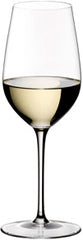
Lungarotti's UM Bianco is a fascinating still white wine produced in Umbria, capable of harmoniously combining the character of Vermentino with the structure of Chardonnay. In the glass, it presents a bright straw-yellow colour, enriched by delicate greenish highlights. The aromatic profile is fragrant and well-defined, with a range of aromas spanning from white flowers to green apple, embellished with hints of peach, citrus, and exotic nuances of mango. The resting period in steel gives this blend a medium body and a perfectly balanced sip, supported by a lively and fresh citrus acidity. It closes with a long and persistent finish, with light hints of hazelnut and toasted brioche.
Where it comes from
This wine originates in the prestigious vineyards of Torgiano, in Umbria, tended with dedication by Lungarotti. The vines grow on medium-textured, deep soils characterised by a marked clay component, ideal elements for giving the wine a solid structure and a well-defined gustatory texture. The plants are trained using the spurred cordon and Guyot systems, following careful practices aimed at maintaining a perfect vegetative-productive balance. The mid-September harvest represents the crucial moment for picking the bunches, allowing for the capture of the grapes' maximum aromatic expression while keeping their natural freshness intact.
How it is produced
The production process begins with a rigorous selection, using exclusively the prized free-run must. A brief cryomaceration at low temperatures follows, an essential technical step to precisely extract the grapes' aromatic precursors and preserve their purity. Fermentation takes place at cold temperatures inside stainless steel tanks, ensuring a constantly temperature-controlled environment. Before bottling, the wine undergoes a careful period of ageing on the fine lees. This delicate phase significantly enriches the structure, giving greater roundness to the palate and enhancing the gustatory harmony between the Vermentino and the Chardonnay.
History and curiosities
The name L’UM, derived from the initials of “L’Umbria”, celebrates the deep bond of the historic Lungarotti estate with the Torgiano territory. The label is embellished with the Satyr, an 18th-century red chalk drawing kept at the local Wine Museum. Today led by Maria Grazia, Chiara and Teresa, the winery represents true female excellence, boasting one of the first female Italian oenologists in history. This precious heritage is combined with virtuous sustainable viticulture, in a constant journey of research and innovation conducted with full respect for tradition.
Tasting notes
Perfume
Color
Taste
Serve at:
10 - 12 °C
Longevity:
03 - 05 years
- Start up year: 1962
- Oenologist: Vincenzo Pepe (consulenti Christophe Ollivier e Lorenzo Landi)
- Bottles produced: 2.500.000
- Hectares: 250


| Name | Lungarotti L'Um Rosso 2023 |
|---|---|
| Type | White still |
| Denomination | Umbria IGT |
| Vintage | 2023 |
| Alcohol content | 12.0% by volume |
| Grape varieties | 85% Vermentino, 15% Chardonnay |
| Country | Italy |
| Region | Umbria |
| Vendor | Lungarotti |
| Story | History and curiosities The name L’UM, derived from the initials of "L’Umbria", celebrates the deep bond of the historic Lungarotti estate with the Torgiano territory. The label is embellished with the Satyr, an 18th-century red chalk drawing kept at the local Wine Museum. Today led by Maria Grazia, Chiara and Teresa, the winery represents true female excellence, boasting one of the first female Italian oenologists in history. This precious heritage is combined with virtuous sustainable viticulture, in a constant journey of research and innovation conducted with full respect for tradition. |
| Origin | Torgiano (PG), Umbria, Italy |
| Soil composition | Medium-textured, tending towards clayey and deep. |
| Cultivation system | Spurred cordon and Guyot |
| Plants per hectare | 4,000 to 5,000 |
| Yield per hectare | 70-90 quintals per hectare |
| Harvest | Mid-September |
| Fermentation temperature | Cold |
| Production technique | Produced exclusively from free-run juice; short cold maceration; cold vinification/fermentation in stainless steel tanks; ageing on the fine lees until bottling. |
| Wine making | Produced exclusively from free-run must; following a short cryomaceration (approximately 16°C), it is vinified/cold-fermented in stainless steel tanks, maintaining low and constant temperatures; ageing on the fine lees until bottling. |
| Aging | Ageing on the fine lees in stainless steel tanks until bottling. |
| Total acidity | 6.7 gr/L |
| Residual sugar | 0.6 gr/L |
| Allergens | Contains sulphites |