


Domaine Vincent Pinard
Sancerre Grand Chemarin 2024
| Denomination | AOC Sancerre |
|---|---|
| Size | 0,75 l |
| Alcohol content | 12.5% by volume |
| Area | Loire (France) |
| Grape varieties | 100% Sauvignon |
| Aging | Ageing for 10–12 months in large oak casks (600-litre demi-muids) |
- Style and variety: Still dry white from 100% Sauvignon Blanc, mineral and deep
- Origin: Bué in the Loire, on limestone pebble soils (caillottes)
- Vinification: Manual harvest, slow pressing and fermentation with indigenous yeasts
- Ageing: 10-12 months in 600-litre barrels; unfined and unfiltered wine
- Pairings: Ideal with lean fish and cheeses. Alcohol content 12.5%


Description
What type of wine it is
Sancerre Grand Chemarin from Domaine Vincent Pinard is a still white wine with an elegantly dry profile, an authentic and defined expression of the Loire Valley. Produced solely from Sauvignon Blanc grapes, this Sancerre is distinguished by a clear mineral imprint and a deep, well-structured palate. Spontaneous vinification and subsequent ageing in oak barrels contribute to defining a complex and balanced character. Its distinct gastronomic versatility makes it the ideal accompaniment to enhance lean fish and fine cheese selections, thanks to its pleasantly dry finish.
Where it comes from
This wine originates in the prestigious territory of Bué, within the renowned Sancerre appellation, in the heart of the Loire Valley. The historic vines, planted since the early 1960s, are rooted in caillottes soils, characterised by an abundant presence of limestone pebbles of Jurassic origin. The altitude of the rows, situated between 260 and 280 metres above sea level, promotes a taut aromatic development and gives the wine a distinct minerality. Vineyard management follows rigorous organic and biodynamic principles, with exclusively manual work to ensure maximum respect for the land.
How it is produced
The production process begins with a manual harvest in perforated crates, followed by a careful and rigorous sorting of the clusters. In the cellar, vinification takes place through a long and gentle pneumatic pressing, with fermentation triggered exclusively by indigenous yeasts. Ageing proceeds for a period of between ten and twelve months in large oak barrels, encouraging a slow structural evolution. To keep the purity and integrity of the product intact, the wine is bottled without any fining or filtration, offering a faithful and natural expression of the grape variety.
History and curiosities
The 2024 Sancerre Grand Chemarin from Domaine Vincent Pinard boasts a historical heritage linked to a specific parcel selection in the village of Bué. The historic vines used date back to two plantings from 1961 and 1971, rooted in soils dating back to the Upper Oxfordian. Among the most unusual and fascinating production details is the use of special proprietary volcanic sulphur, combined with the estate's indigenous yeasts. Furthermore, the lack of filtration may lead to a slight sediment at the bottom, which the winery considers an authentic and prestigious hallmark of quality.
Awards
-
2024
 94
/100
Vinous is the online guide from Antonio Galloni, one of the world's leading wine connoisseurs.
Tasting notes

Color
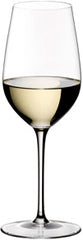
Taste
Serve at:
10 - 12 °C
Longevity:
05 - 10 years
- Hectares: 17
The estate is 17 hectares are mainly located on the hills of Bué, a famed winegrowing village that boasts limestone and clay-limestone terroirs, We do not use any herbicides, insecticides or anti-rot treatments, etc. Most of the work in the vineyards is done by hand (including harvesting). We have chosen to limit yields and produce small quantities of grapes (few grapes per vine stock). In order to do so, we prune short, disbud and thin the clusters (green harvest). The grapes are handpicked and we select the finest grapes at the sorting table.
We intervene as little as possible. Everything depends on grape selection. If the fruit is healthly there is no need to use artificial products during the vinification process. Depending on the curvée, we work with tanks, wooden vats or 228-litre and 600-litre barrels. Read more


| Name | Vincent Pinard Sancerre Grand Chemarin 2024 |
|---|---|
| Type | White organic still semi-aromatic |
| Denomination | Sancerre AOC |
| Vintage | 2024 |
| Size | 0,75 l |
| Alcohol content | 12.5% by volume |
| Grape varieties | 100% Sauvignon |
| Country | France |
| Region | Loire |
| Vendor | Domaine Vincent Pinard |
| Story | History and curiosities The 2024 Sancerre Grand Chemarin from Domaine Vincent Pinard boasts a historical heritage linked to a specific parcel selection in the village of Bué. The historic vines used date back to two plantings from 1961 and 1971, rooted in soils dating back to the Upper Oxfordian. Among the most unusual and fascinating production details is the use of special proprietary volcanic sulphur, combined with the estate's indigenous yeasts. Furthermore, the lack of filtration may lead to a slight sediment at the bottom, which the winery considers an authentic and prestigious hallmark of quality. |
| Origin | Bué, Sancerre (Loire Valley), France |
| Soil composition | Caillottes (limestone pebbles) |
| Plants per hectare | 7,000 plants per hectare |
| Yield per hectare | 50 hectolitres per hectare |
| Production technique | Hand-harvested in crates with sorting; long and gentle pneumatic pressing; fermentation with indigenous yeasts; ageing for 10–12 months in large oak barrels (600-litre demi-muids); unfined and unfiltered wine; minimal intervention and minimal sulphur. |
| Wine making | Manual harvest in crates with bunch selection; long, slow and gentle pneumatic pressing; minimal intervention in the cellar with fermentation from indigenous yeasts; ageing for 10–12 months in barrels/tonneaux (600 l demi-muids); unfined and unfiltered wine; no added sulphites to the must and minimal sulphur in the wine. |
| Aging | Ageing for 10–12 months in large oak casks (600-litre demi-muids) |
| Allergens | Contains sulphites |