


Hofstatter
Chardonnay 2025
| Denomination | DOC Alto Adige Chardonnay |
|---|---|
| Size | 0,75 l |
| Alcohol content | 13.5% by volume |
| Area | Trentino Alto Adige (Italy) |
| Grape varieties | 100% Chardonnay |
| Aging | Aged for several months on fine lees in stainless steel until bottling; no ageing in wood. |
- Main features: Still white wine, 0.75 l, 13.5% vol, vintage 2025
- Grape variety and origin: Pure Chardonnay from Alto Adige DOC, Trentino-Alto Adige
- Aromatic notes: Hints of Golden Delicious apple and light floral nuances
- Vinification method: Fermentation in stainless steel and ageing on fine lees
- Serving temperature and pairings: Serve at 10-12°C with starters, pasta, fish and white meats


Description
What kind of wine it is
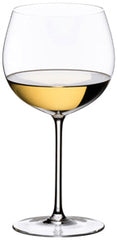
The Chardonnay from J. Hofstätter is a still white wine that expresses the authentic vibrancy of the grape variety. This wine, with Controlled Designation of Origin from Alto Adige, made from Chardonnay grapes vinified in steel, reveals a bright straw yellow colour enriched with subtle greenish highlights. The aromatic profile is clear, characterised by distinct notes of Golden Delicious apple intertwined with delicate floral nuances. On the palate, it stands out for its medium body and solid structure, supported by a crisp acidity that provides balance and ensures a pleasantly persistent finish.
Where it comes from
This wine originates in Alto Adige, from hillside vineyards located between Termeno and Cortaccia. The west-to-east orientation of the rows ensures optimal vegetative development of the vines. The roots delve into a marly subsoil capable of warming up quickly, a fundamental condition to guarantee regular ripening and define the fruit's identity. In this specific territorial context, J. Hofstätter manages to enhance the aromatic fragrance of the Chardonnay, preserving a profile of profound freshness.
How it is produced
The production process begins with a gentle pressing of the grapes, followed by clarification of the must through natural decantation. This procedure ensures a clear base for the subsequent temperature-controlled fermentation, a technical step essential to preserve the integrity of the aromas. Vinification takes place entirely in steel tanks, where the wine matures in contact with the fine lees. The complete absence of maturation in wooden barrels results in a clear and vibrant sip.
History and Curiosities
Located in Termeno on the Wine Road and led by oenologist Martin Foradori Hofstätter, this family-run winery masterfully blends tradition and technological innovation. The company excels in enhancing territorial identity through the “Vigna” classification, a rigorous approach that highlights the unique characteristics of each individual vineyard. This vision is combined with a deep commitment to the environment through organic farming, respecting the natural cycles of the vine to produce internationally renowned oenological excellence.
Tasting notes

Perfume

Color

Taste
Serve at:
12 - 14 °C
Longevity:
03 - 05 years
- Start up year: 1907
- Oenologist: Martin Foradori Hofstätter
- Bottles produced: 800.000
- Hectares: 50
We uphold the highest standards every single day. In the vineyard, this means nurturing our vines through gentle pruning and the use of cover crops to enhance their strength. In the wine cellar, innovation meets tradition, as we age our wines in both classic wooden barrels and modern concrete vats. Cutting-edge cellar technology also plays an essential role in ensuring the quality of our wines. Read more


| Name | J. Hofstatter Chardonnay 2025 |
|---|---|
| Type | White still |
| Denomination | Alto Adige DOC |
| Vintage | 2025 |
| Size | 0,75 l |
| Alcohol content | 13.5% by volume |
| Grape varieties | 100% Chardonnay |
| Country | Italy |
| Region | Trentino Alto Adige |
| Vendor | Hofstatter |
| Story | History and Curiosities Located in Termeno on the Wine Road and led by oenologist Martin Foradori Hofstätter, this family-run winery masterfully blends tradition and technological innovation. The company excels in enhancing territorial identity through the "Vigna" classification, a rigorous approach that highlights the unique characteristics of each individual vineyard. This vision is combined with a deep commitment to the environment through organic farming, respecting the natural cycles of the vine to produce internationally renowned oenological excellence. |
| Origin | Termeno and Cortaccia (Alto Adige, Italy) |
| Soil composition | Predominantly marly subsoil that warms up quickly |
| Production technique | Traditional vinification in stainless steel tanks; temperature-controlled fermentation; ageing on fine lees in stainless steel; no wood ageing |
| Wine making | Traditional vinification in stainless steel tanks; grapes gently pressed; must clarified by natural decantation; fermentation at controlled temperature; ageing for several months on fine lees in stainless steel until bottling; no ageing in wood. |
| Aging | Aged for several months on fine lees in stainless steel until bottling; no ageing in wood. |
| Allergens | Contains sulphites |