


Domaine d'Elise
Chablis 2024
| Denomination | AOC Chablis |
|---|---|
| Size | 0,75 l |
| Alcohol content | 12.5% by volume |
| Area | Burgundy (France) |
| Grape varieties | 100% Chardonnay |
| Aging | On fine lees for 10 months. |
- Origin and grape variety: Chablis designation, Burgundy; 100% Chardonnay, still white wine
- Aromatic profile: notes of white flowers, pronounced minerality, vegetal and balsamic accents
- On the palate: fresh taste, chalky sensation, yellow fruit and a harmonious, mineral finish
- Vinification: pneumatic pressing, fermentation in cement and malolactic fermentation
- Ageing and serving: 10 months on fine lees; serve at 10-12 °C


Description
What kind of wine is it
Domaine d’Elise offers a still white wine that faithfully reflects the character of Chablis. Made from Chardonnay grapes, it reveals itself in the glass with a straw yellow colour enhanced by golden highlights. On the nose, it unveils a floral and mineral bouquet, enriched with vegetal nuances and balsamic hints. On the palate, it stands out for its finely chalky texture and a fresh sip, led by notes of yellow fruit that lead towards a balanced and harmonious finish.
Where does it come from
The Chardonnay comes from the northern area of the Chablis region, in the heart of Burgundy. The cool climate ensures the grapes have pronounced acidity and restrained fruit, outlining a tense and linear profile with hints of flint. The vineyards are rooted in calcareous-clay soils of Kimmeridgian origin with Portlandian rocky components. This particular geological composition enhances the mineral perception and the clarity on the palate, fully showcasing the identity of the French terroir.
How is it produced
The harvesting of the bunches ensures optimal ripeness of the fruit. After pneumatic pressing, the must undergoes clarification and stabilisation. Vinification takes place in cement vats lined with steel at a controlled temperature, followed by malolactic fermentation to balance the natural freshness. The process concludes with ageing on fine lees for ten months, which gives greater texture to the palate while preserving absolute aromatic purity.
History and Curiosities
Domaine d’Elise is located in the heart of Chablis, the northernmost area of Burgundy, where the harsh climate gives the wines a distinctive identity. The vineyards are rooted in limestone-clay soils of Kimmeridgian and Portlandian origin, enhancing the purity of the Chardonnay. The delayed harvest ensures the grapes reach full ripeness, with a limited yield of 45-50 hectolitres per hectare. Fermentation in cement tanks lined with steel preserves the freshness and characteristic minerality, elevating this Chablis AOC to true excellence.
Tasting notes
Perfume

Color
Taste
Serve at:
10 - 12 °C
Longevity:
05 - 10 years
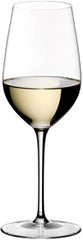
This is the northernmost area of Burgundy, with vineyards grown almost exclusively in Chardonnay that generate dry white wines renowned for their purity and minerality.
The colder climate than the classic Burgundy produces wines with more acidity and less fruity flavors than the Chardonnay of the Côte d'Or, with those notes of "pierre à fusil", and just metallic, which make them as recognizable as pleasant.
Compared to white wines from the heart of Burgundy, Chablis is almost never vinified and aged in wood. Steel in vinification is preferred and the choice of partially or completely wood refining is granted to the individual producer.
The AOC Chablis since 1938 did not include the petit Chablis, which entered then in January 1944. All Chablis vineyards fall into four denominations with different classification levels: only 7 grand Cru are located and all located on a single hill near the town of Chablis. Read more


| Name | Domaine d'Elise Chablis 2024 |
|---|---|
| Type | White still |
| Denomination | Chablis AOC |
| Vintage | 2024 |
| Size | 0,75 l |
| Alcohol content | 12.5% by volume |
| Grape varieties | 100% Chardonnay |
| Country | France |
| Region | Burgundy |
| Vendor | Domaine d'Elise |
| Story | History and Curiosities Domaine d’Elise is located in the heart of Chablis, the northernmost area of Burgundy, where the harsh climate gives the wines a distinctive identity. The vineyards are rooted in limestone-clay soils of Kimmeridgian and Portlandian origin, enhancing the purity of the Chardonnay. The delayed harvest ensures the grapes reach full ripeness, with a limited yield of 45-50 hectolitres per hectare. Fermentation in cement tanks lined with steel preserves the freshness and characteristic minerality, elevating this Chablis AOC to true excellence. |
| Origin | Chablis (France) |
| Climate | Cold climate |
| Soil composition | Calcareous-clayey, of Kimmeridgian origin and rocky of Portlandian nature |
| Yield per hectare | 45-50 h/Ha |
| Production technique | Pneumatic pressing; clarification and stabilisation of the must (débourbage) before fermentation in stainless steel-lined concrete tanks at a controlled temperature; malolactic fermentation; ageing on the fine lees for 10 months |
| Wine making | Pneumatic pressing, clarification and stabilisation of the must (débourbage) before fermentation in cement tanks lined with stainless steel at controlled temperature; malolactic fermentation. |
| Aging | On fine lees for 10 months. |
| Allergens | Contains sulphites |