


Fontanafredda
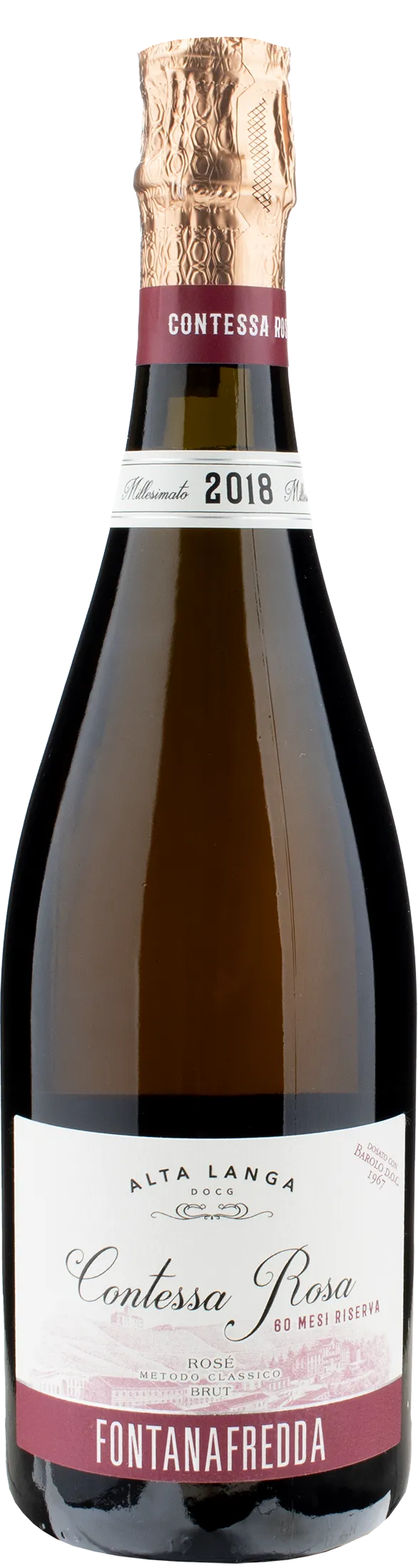
Alta Langa Riserva Contessa Rosa Brut 60 Mesi 2018
Other years:
2019| Denomination | DOCG Alta Langa Rosato Riserva |
|---|---|
| Size | 0,75 l |
| Alcohol content | 12.0% by volume |
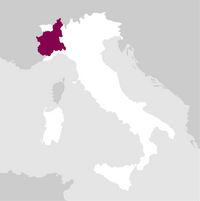
| Area | Piedmont (Italy) |
| Grape varieties | Chardonnay, Pinot Nero |
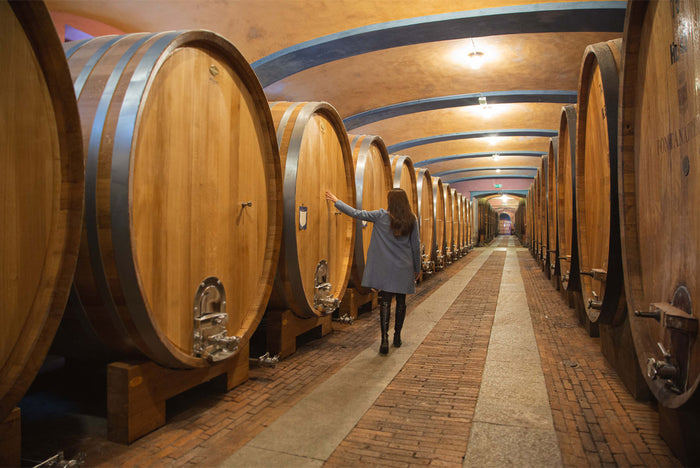
| Aging | In May, the wine undergoes a second fermentation, that in the bottle, followed by maturation on the lees in the cool, dark and protected environment of the cellars, in accordance with the strictest rules of Spumante Metodo Classico. |
| Other years | 2019 |
Description
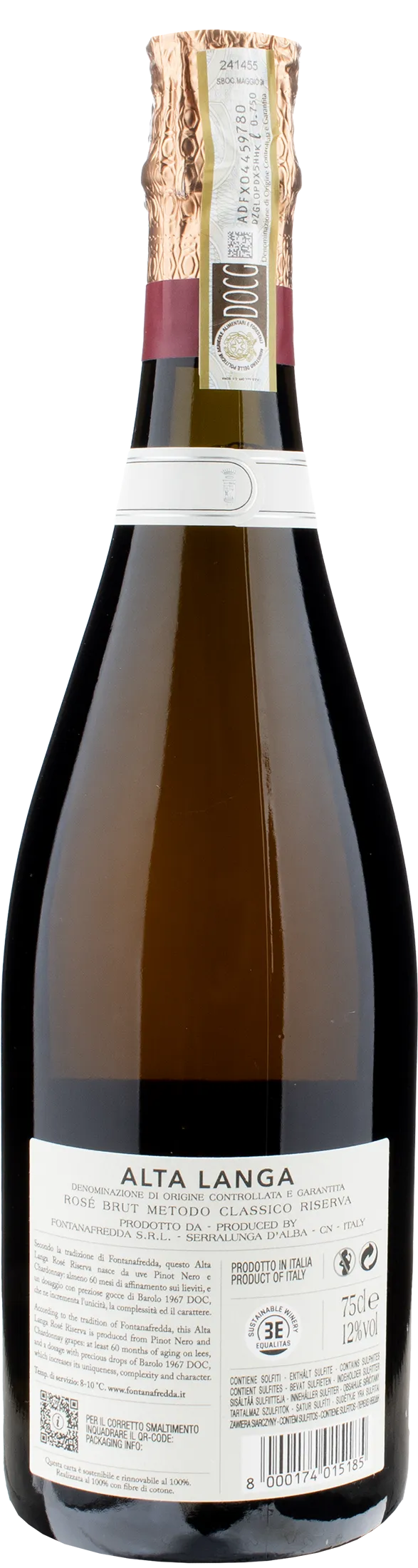
A classic method brut rosé sparkling wine from the Alta Langa, 12% ABV, produced by Fontanafredda. Vintage 2018. A tribute to Contessa Rosa Vercellana, this wine combines aromatic freshness with the complexity of Barolo. An Alta Langa Riserva made from Chardonnay and Pinot Noir grapes grown between 400 and 650 meters above sea level. The bouquet evokes aromas of orange blossom, pomegranate, chinotto, and black plum, finishing with ginger, nutmeg, lavender, basil, and an undertone of custard. On the palate, the bubbles are fine and persistent, and the acidity balances the sweet note. A mineral and savory sensation concludes with a citrus aftertaste.
Tasting notes

Perfume

Color
Taste
Serve at:
06 - 08 °C
Longevity:
05 - 10 years
- Start up year: 1878
- Oenologist: Giorgio Lavagna
- Bottles produced: 7.000.000
- Hectares: 120
Like all beautiful things, Fontanafredda originates from a love story between the first King of Italy, Vittorio Emanuele II, and Rosa Vercellana.
Producers of Barolo and sumptuous wines of the Langhe, it was the scene of many firsts: they were the first Barolo to go overseas, the first to produce the first Classic Method in 1959, which was to be the forerunner of Alta Langa.
The founding principle of the winery is the concept of community.
Since 2018, Fontanafredda has been cultivating 120 organically certified hectares that are the setting for Italy's first Storytelling Village ('Villaggio Narrante'), which is still home to 12 families of workers who make the village an authentic village, alive and productive.
Fontanafredda is also hospitality, a meeting place where everyone is welcome thanks to its 4-star hospitality.
Today, the company preserves intact the testimonies of its noble past - the hunting lodge, the village, the extensive cellars, the vineyards - but continues to renew itself and experiment, perfecting what nature and history have handed down. For this reason, in the Langhe, where vines and wine bind generations to each other and shape the landscape, Fontanafredda is an essential reference point. The expression of a wine culture that comes from the earth, from the vineyard, and is refined through the work and creativity of people.
In 2021, the Alta Langa DOCG Contessa Rosa Rosé 2014 was named 'Best Sparkling Wine in the World' according to Tastingbook 2021.
In 2022 the BAROLO SERRALUNGA 2018 entered the TOP100 of WINE SPECTATOR in 78th place. Read more

| Name | Fontanafredda Alta Langa Riserva Contessa Rosa Brut 60 Mesi 2018 |
|---|---|
| Type | Rosé green classic method sparkling wine brut |
| Denomination | Alta Langa DOCG |
| Vintage | 2018 |
| Size | 0,75 l |
| Alcohol content | 12.0% by volume |
| Grape varieties | Chardonnay, Pinot Nero |
| Country | Italy |
| Region | Piedmont |
| Vendor | Fontanafredda |
| Story | Contessa Rosa represents the true spirit of Fontanafredda: dedicated to Countess Rosa Vercellana, the "Bela Rusin", this sparkling wine made from grapes cultivated at altitude expresses the combination of aromatic freshness and complexity of the great Barolo wine. For this cuvée, it was decided to take a new path by studying a liquer d'expedition with Barolo 1967. |
| Origin | Langa albese and astigiana (CN) |
| Climate | Altitude between 400 and 650 m above sea level with south and south-west exposure. |
| Soil composition | Soils consist of white clay interspersed with layers of sand and calcareous marl. |
| Cultivation system | Guyot |
| Plants per hectare | 5.000 vines/ha |
| Harvest | Beginning of September |
| Wine making | Vinification: the majority of the grapes are harvested in crates of around 20 kilos and are directly poured into the press for soft, gentle pressing. Part of the pinot noir grapes are crushed and left in contact with the skins in temperature-controlled tanks at 10 °C for 12-24 hours. At the end of maceration, regular soft pressing takes place. The must obtained is placed in temperature-controlled tanks for static decantation. The must ferments in stainless steel tanks at a low temperature (18-20 °C) and at the end of fermentation the wine is kept in contact with the fine lees until spring. At this point, the cuvée is made by blending the wines from the two fermentations. |
| Aging | In May, the wine undergoes a second fermentation, that in the bottle, followed by maturation on the lees in the cool, dark and protected environment of the cellars, in accordance with the strictest rules of Spumante Metodo Classico. |
| Allergens | Contains sulphites |