

Sandrone Luciano
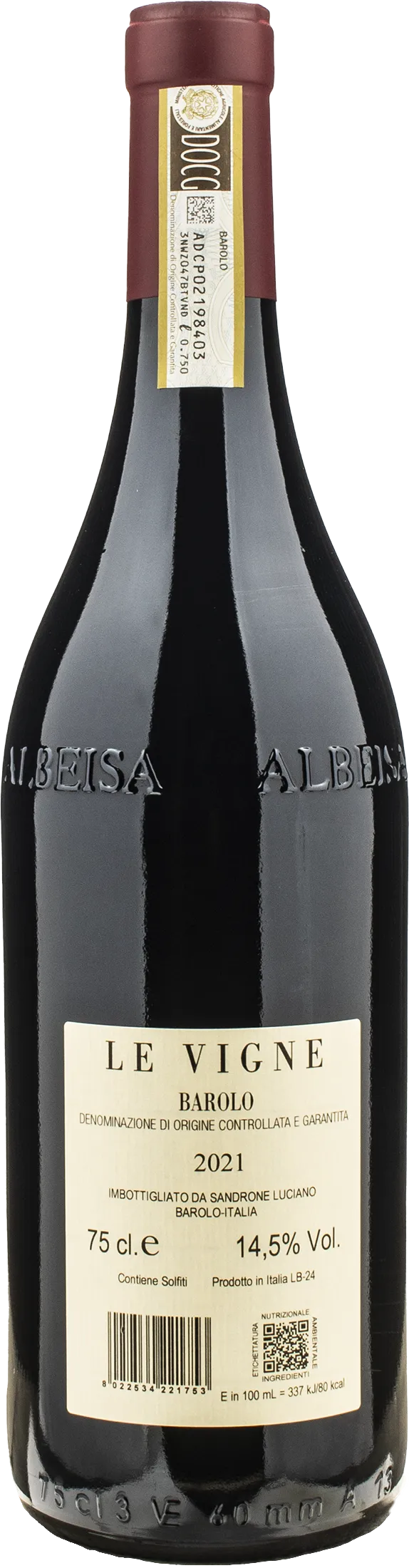
Barolo Le Vigne 2021
| Denomination | Barolo DOCG |
|---|---|
| Size | 0,75 l |
| Alcohol content | 14.5% by volume |
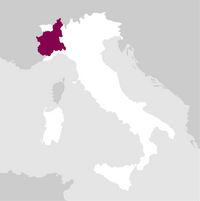
| Area | Piedmont (Italy) |
| Grape varieties | 100% Nebbiolo |
| Aging | Malolactic fermentation and elevation in 500-litre French oak barrels. Maturation in bottle 18 months. |
| Year | 2021 |
| Biologic | Sì |
| Product name | Barolo Le Vigne 2021 |
| Perfume | The extraordinary 2020 vintage produced a wine that combines power and delicacy. Lively aromas of black fruits, roses and violets emerge on the nose, with hints of cola nut and graphite. |
| Taste | On the palate, aromas of berries and ripe tannins prevail. The finish is generous and exhilarating. Drinking one might wonder if this wine is already ready, but at this stage of its maturation it already reveals itself to be surprisingly drinkable and balanced. Indeed, careful tasting will leave no doubt as to the importance of its structure. The tannins appear so ripe and silky that they almost seem to vanish in the wine, but they exist and will accompany it for several more decades of cellar ageing. |
| Region | Piedmont |
| Country | Italy |

Description
Ancient art. Barolo LE VIGNE interprets the tradition of the Langhe and Barolo by handing down the ancient and skilful art of blending grapes from several vineyards. We have taken up this historical custom by working only with indigenous yeasts and keeping separated the grapes until blending, instead of blending them already during the fermentation.
Symphony of a territory. Barolo LE VIGNE in fact encapsulates the characteristics of each vineyard: all different but each peculiar. At its birth, thanks to the art of blending, the vineyards of Vignane in Barolo and Merli in Novello were joined. In 2010, the project was expanded to include Baudana in Serralunga d'Alba, which was followed in 2011 by Villero in Castiglione Falletto. The 2019 vintage sees LE VIGNE completed with Le Coste of Monforte in Monforte d'Alba. Different exposures, locations, genetic heritage, altitudes and soil types, the five vineyards that today make up Barolo LE VIGNE are united through the art of blending, giving shape to a single voice capable of narrating the entire Barolo territory. Every year a discovery. Harvested, vinified and aged separately, we combine in the blend the batches capable express the uniqueness of the vineyards and enhance the particularities of each vintage.
Only after years of slow and silent evolution do we know that the Nebbiolo gives its best characters. Our Barolo LE VIGNE is one of the protagonists of the ‘sibi et paucis’ project.
Awards
-
2021
 96
96/100
Decanter is a wine and lifestyle magazine, published monthly in around 90 countries. The magazine includes industry news, classic guides and advice on wine and spirits.
-
2021
 98
98/100
James Suckling is an influential American wine critic and journalist who worked at Wine Spectator for 30 years. He left the magazine in 2010 to start his own website and guidebook (JamesSuckling.com). He specialises in Italian and Bordeaux wines.
-
2021
 97
97/100
The prestigious international wine guide from the renowned Robert Parker, the world's most experienced and trusted wine taster.
-
2021
 97
97/100
Vinous is the online guide from Antonio Galloni, one of the world's leading wine connoisseurs.
-
2021
 96
96/100
Wine spectator is the most influential wine guide on the internet.
Details

Perfume
Taste
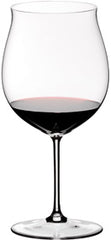
Serve at:
18 - 20 °C.
Longevity:
10 - 15 years
Decanting time:
1 hour
Pairings
- Start up year: 1978
- Oenologist: Luca Sandrone
- Bottles produced: 120.000
- Hectares: 27
Since the first beginning of his story, Luciano Sandrone has always had a clear philosophy of quality in mind, which has always been fully shared with his wife Mariuccia, his brother Luca and his daughter Barbara. Year after year this philosophy has been refined. Read more


| Name | Sandrone Barolo Le Vigne 2021 |
|---|---|
| Type | Red green still |
| Denomination | Barolo DOCG |
| Vintage | 2021 |
| Size | 0,75 l |
| Alcohol content | 14.5% by volume |
| Grape varieties | 100% Nebbiolo |
| Country | Italy |
| Region | Piedmont |
| Vendor | Sandrone Luciano |
| Origin | Vineyards in the communes of: Barolo: Vignane Castiglione Falletto: Villero since 2011 Monforte d'Alba: Le Coste di Monforte since 2019 Novello: Merli Serralunga d'Alba: Baudana since 2010 |
| Harvest | The grape harvest took place from 8 to 13 October. |
| Wine making | Spontaneous fermentation. Maceration and alcoholic fermentation in open steel vats. |
| Aging | Malolactic fermentation and elevation in 500-litre French oak barrels. Maturation in bottle 18 months. |
| Allergens | Contains sulphites |