


Cantine Leonardo da Vinci
1502 Sangiovese Portocanale Cesenatico Rosato 2022
Other years:
2024| Denomination | IGT Rubicone |
|---|---|
| Size | 0,75 l |
| Alcohol content | 12.0% by volume |
| Area | Emilia-Romagna (Italy) |
| Grape varieties | 100% Sangiovese |
| Aging | Ageing with bâtonnage for 2 months on fine lees in stainless steel. |
| Other years | 2024 |
- Type and region: Still rosé wine Rubicone IGT from Emilia-Romagna, vintage 2022, 12% vol
- Vinification: Gentle pressing and fermentation in steel at 13°C with selected yeasts
- Aromas: Floral notes, white peach, apricot, cherry and light citrus hints
- On the palate: Fresh and delicate taste, lively acidity, crisp finish with savouriness and minerality
- Pairings: Excellent at 10-12°C with seafood crudités, shellfish, white fish and vegetables


Description
What kind of wine it is
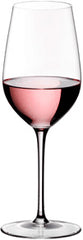
Portocanale di Cesenatico Sangiovese Rosato is a still wine from Emilia-Romagna, crafted by Leonardo da Vinci. This Rubicone rosé is made from Sangiovese grapes and a harmonious blend of other red varieties. The glass, with its delicate pink hue, introduces a fresh and balanced flavour profile. The pronounced acidity enlivens the palate, revealing a pleasant crisp and savoury aromatic finish. On the nose, there are marked floral notes, intertwined with fragrant hints of white peach, apricot and cherry.
Where it comes from
The grapes come from vineyards cultivated at around fifty metres above sea level in the areas of Castrocaro Terme, Predappio and Bertinoro. The soils are characterised by a silty clay at the base of the hills, becoming slightly stony towards the Apennines. This specific geological formation gives the wine a subtle minerality, enhancing its natural savouriness. The oenological project pays homage to Leonardo da Vinci's journeys in Romagna, applying the Leonardo Method to faithfully translate the most genuine expression of the territory into the glass.
How it is produced
After harvesting from vineyards trained with the spurred cordon system, the bunches undergo a gentle pressing for delicate colour extraction. Fermentation takes place in stainless steel at a controlled temperature with selected yeasts. To enrich the texture, the wine rests for two months on fine lees using the bâtonnage technique. This careful cellar work preserves the aromatic precision of the fruit, ensuring immediate harmony on the palate and a refreshing lively acidity.
History and Curiosities
Originating from Emilia-Romagna, the 1502 Sangiovese Portocanale is an elegant tribute to the historical connection between Leonardo da Vinci and this region. The Leonardo da Vinci Wineries present the 2022 vintage following the exclusive Leonardo Method, a production philosophy that enhances the vocation of the vineyards of Castrocaro Terme, Predappio and Bertinoro. This refined Rosato Rubicone IGT, boasting the prestigious 96 points awarded by Luca Maroni to the range, encapsulates in every glass the most vibrant and authentic Romagna winemaking tradition.
Tasting notes

Perlage

Perfume

Color

Taste
Serve at:
10 - 12 °C
Longevity:
05 - 10 years
- Start up year: 1961
- Oenologist: Riccardo Pucci
- Bottles produced: 5.000.000
- Hectares: 750
The original headquarters, restructured and enlarged, are still the operative centre today. The winery is situated in the borough of Vinci, just 5 kilometres from the birthplace of the world famous artist and inventor Leonardo.
The co-operative takes its name from the great man, paying homage to the mind of the man who was universally recognised as a genius and to emphasise its deep-rooted bond with the territory, the same bond which Leonardo felt and whose surname is specifically associated with the village where he was born on 15 April 1452.
Today, Cantine Leonardo da Vinci is a pioneering co-operative, innovative and modern, which relies on the work and grape production of its 160 members. Read more


| Name | Leonardo da Vinci 1502 Sangiovese Portocanale Cesenatico Rosato 2022 |
|---|---|
| Type | Rosé still |
| Denomination | Rubicone IGT |
| Vintage | 2022 |
| Size | 0,75 l |
| Alcohol content | 12.0% by volume |
| Grape varieties | 100% Sangiovese |
| Country | Italy |
| Region | Emilia-Romagna |
| Vendor | Cantine Leonardo da Vinci |
| Story | History and Curiosities Originating from Emilia-Romagna, the 1502 Sangiovese Portocanale is an elegant tribute to the historical connection between Leonardo da Vinci and this region. The Leonardo da Vinci Wineries present the 2022 vintage following the exclusive Leonardo Method, a production philosophy that enhances the vocation of the vineyards of Castrocaro Terme, Predappio and Bertinoro. This refined Rosato Rubicone IGT, boasting the prestigious 96 points awarded by Luca Maroni to the range, encapsulates in every glass the most vibrant and authentic Romagna winemaking tradition. |
| Origin | Castrocaro Terme, Predappio, Bertinoro |
| Soil composition | Silty clay at the foot of the hill, slightly stony approaching the Apennines |
| Cultivation system | Spurred cordon |
| Harvest | Early, mid-September |
| Fermentation temperature | Maximum 13 °C |
| Production technique | Soft pressing for colour extraction; cold vinification in stainless steel (max 13 °C) with selected yeasts; ageing on fine lees with bâtonnage for 2 months |
| Wine making | Gentle pressing for colour extraction followed by cold vinification in stainless steel at a maximum of 13°C with selected yeasts; strict temperature control; ageing on fine lees with bâtonnage for about 2 months in stainless steel. |
| Aging | Ageing with bâtonnage for 2 months on fine lees in stainless steel. |
| Allergens | Contains sulphites |