
Under the law of Hong Kong, intoxicating liquor must not be sold or supplied to a minor in the course of business. | 根據香港法律,不得在業務過程中,向未成年人售賣或供應令人醺醉的酒類。


Jeaunaux Robin
Champagne Extra Brut Le Talus de Saint Prix
| Denomination | AOC Champagne Extra Brut |
|---|---|
| Size | 0,75 l |
| Alcohol content | 12.0% by volume |
| Area | Champagne region (France) |
| Grape varieties | 60% Pinot Meunier, 30% Pinot Nero, 10% Chardonnay |
| Aging | 6 months on the lees before bottling; maturation from 24 to 36 months in the bottle |
- Grape varieties and style: Organic Extra Brut made from 60% Meunier, 30% Pinot Noir, 10% Chardonnay
- Vinification: Traditional method with fermentation 75% in stainless steel and 25% in five-year-old oak
- Ageing on the lees: Six months before bottling and 24-36 months in bottle
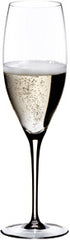
- Tasting profile: Lemon yellow colour, notes of buttered bread and brioche, fresh and taut palate
- Pairings and serving: Ideal for aperitifs, white fish and soft cheeses; serve at 8-10°C


Description
What kind of wine it is
Champagne Jeaunaux Robin Extra Brut Le Talus de Saint Prix is an organic sparkling wine with a fresh and dry profile. Produced according to the strict criteria of the Traditional Method, it is expressed through a harmonious blend of Pinot Meunier, Pinot Noir and Chardonnay. Visually, it displays a brilliant lemon-yellow colour, introducing a fragrant aromatic bouquet characterised by notes of buttered bread and brioche. On the palate, the Champagne reveals a taut and elegant sip, with delicate hints of pastry that enhance its Extra Brut nature. The choice not to carry out malolactic fermentation ensures a precise and vibrant drink, ideal for accompanying refined aperitifs or light dishes.
Where it comes from
This wine originates in France, in the heart of the Champagne region, specifically in the Talus Saint Prix area from which the label takes its name. The Jeaunaux Robin winery adopts a organic and sustainable approach, reaffirming its identity as an independent producer. To maintain the ideal balance between sugars and acidity, which is fundamental for the crisp profile of the cuvée, the harvest is manual and meticulously cared for. The expression of the terroir is guided by the predominance of Pinot Meunier, which gives the wine a distinctive personality and a deep connection with its place of origin.
How it is produced
Production begins with traditional direct pressing. The first alcoholic fermentation takes place partly in stainless steel tanks to preserve freshness and, in a small proportion, in five-year-old oak barrels, which provide a balanced structure. After resting for six months on the lees, the wine matures in the bottle for a period ranging from 24 to 36 months. Praised by international critics and awarded excellent scores by Decanter and Robert Parker, it pairs excellently with white fish dishes, various starters and intense soft cheeses, such as Munster or Maroilles.
History and Curiosities
The Champagne Extra Brut Le Talus de Saint Prix by Jeaunaux Robin is a fine organic artisanal expression. This cuvée enhances the identity of Pinot Meunier, skilfully blended with hand-picked Pinot Noir and Chardonnay. The meticulous winemaking process includes partial fermentation in oak and a slow maturation in bottle for between 24 and 36 months. Praised by international critics, it offers a fresh palate with fragrant notes of brioche and pastry, making it ideal for elegantly accompanying lean fish or enhancing soft cheeses.
Awards
-
 91
/100
Decanter is a wine and lifestyle magazine, published monthly in around 90 countries. The magazine includes industry news, classic guides and advice on wine and spirits.
-
 92
/100
The prestigious international wine guide from the renowned Robert Parker, the world's most experienced and trusted wine taster.
Tasting notes
Perfume
Color
Taste
Serve at:
08 - 10 °C
Longevity:
05 - 10 years


| Name | Jeaunaux Robin Champagne Extra Brut Le Talus de Saint Prix |
|---|---|
| Type | White organic classic method sparkling wine extra brut |
| Denomination | Champagne AOC |
| Size | 0,75 l |
| Alcohol content | 12.0% by volume |
| Grape varieties | 60% Pinot Meunier, 30% Pinot Nero, 10% Chardonnay |
| Country | France |
| Region | Champagne region |
| Vendor | Jeaunaux Robin |
| Story | History and Curiosities The Champagne Extra Brut Le Talus de Saint Prix by Jeaunaux Robin is a fine organic artisanal expression. This cuvée enhances the identity of Pinot Meunier, skilfully blended with hand-picked Pinot Noir and Chardonnay. The meticulous winemaking process includes partial fermentation in oak and a slow maturation in bottle for between 24 and 36 months. Praised by international critics, it offers a fresh palate with fragrant notes of brioche and pastry, making it ideal for elegantly accompanying lean fish or enhancing soft cheeses. |
| Origin | Champagne region |
| Production technique | Traditional method |
| Wine making | Traditional direct pressing. First alcoholic fermentation in stainless steel tanks (75%) and in 5-year-old oak barrels (25%). Malolactic fermentation not sought. |
| Aging | 6 months on the lees before bottling; maturation from 24 to 36 months in the bottle |
| Residual sugar | 5.0 gr/L |
| Allergens | Contains sulphites |