


Cavicchioli
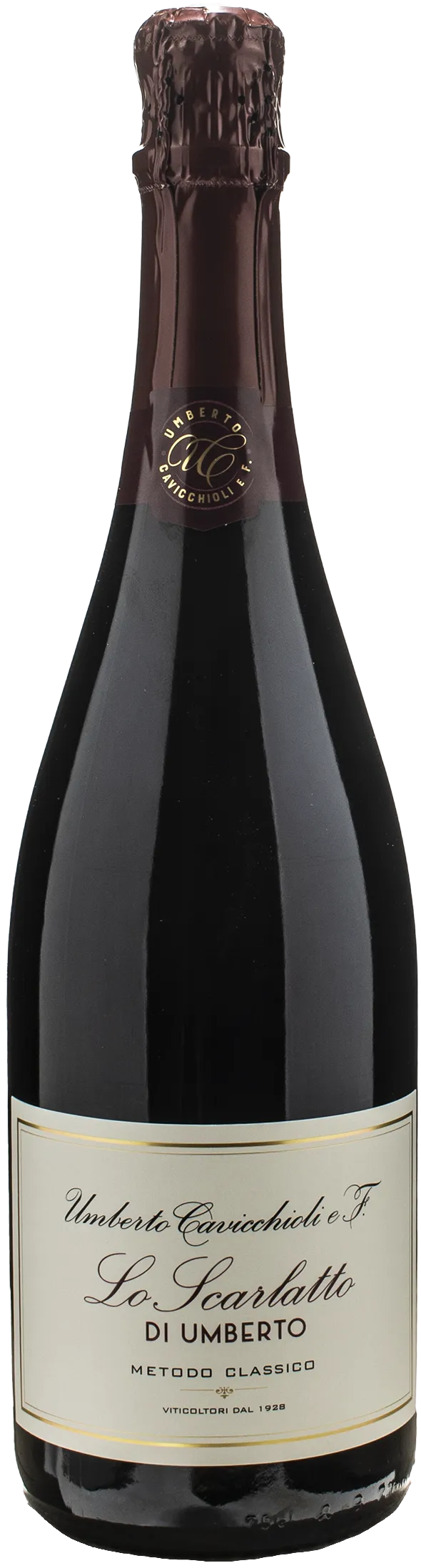
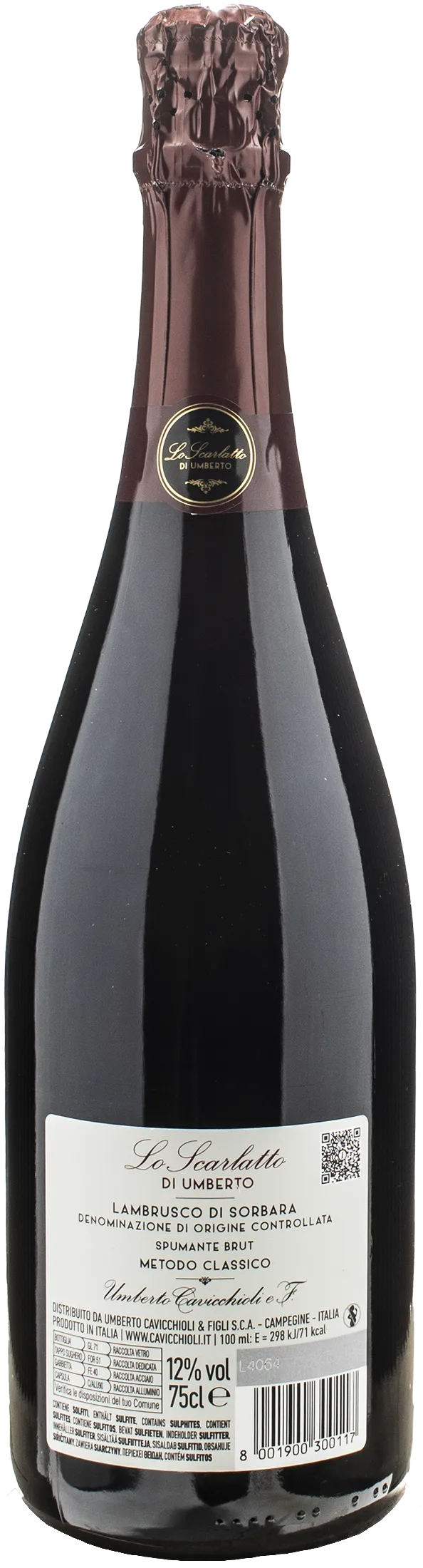
Lambrusco di Sorbara Lo Scarlatto di Umberto Metodo Classico
| Denomination | DOC Lambrusco di Sorbara Rosato Spumante |
|---|---|
| Size | 0,75 l |
| Alcohol content | 12.0% by volume |
| Area | Emilia-Romagna (Italy) |
| Grape varieties | 100% Lambrusco di Sorbara |
| Aging | This is followed by second fermentation in the bottle according to the classic method with a stay on the lees for 18 months. |
Description
A classic method brut sparkling wine from the heart of Emilia-Romagna, produced by Cavicchioli. 100% Lambrusco di Sorbara, a varietal that expresses all its elegance and freshness in this classic method. The hand-harvested grapes are immediately soft-pressed and left to macerate on the skins for 2-3 days. This is followed by a second fermentation in the bottle according to the classic method, with the wine remaining on the lees for 18 months. Bright, light ruby red with scarlet highlights. Airy on the palate, a bold flavor with notes of red fruit and a vibrant, harmonious acidity typical of the varietal.
Tasting notes

Perlage

Perfume

Color

Taste
Serve at:
08 - 10 °C
Longevity:
05 - 10 years
- Start up year: 1928
- Oenologist: Laura Scazzeri
- Bottles produced: 1.500.000
- Hectares: 60
A place where Umberto Cavicchioli started a story of passion for winegrowing that, from generation to generation, has turned into a great entrepreneurial success story, becoming a landmark in the world of Lambrusco from Modena. Today, as it was then, the wines of Cantine Cavicchioli reflect the character of the place where they originate and of those who created them: they are wines that fill the glass with a cheerful froth, created by the most attentive oenologists, perfect for all those moments when the heart beats a little faster. Read more


| Name | Cavicchioli Lambrusco di Sorbara Lo Scarlatto di Umberto |
|---|---|
| Type | Red classic method sparkling wine brut |
| Denomination | Lambrusco di Sorbara DOC |
| Size | 0,75 l |
| Alcohol content | 12.0% by volume |
| Grape varieties | 100% Lambrusco di Sorbara |
| Country | Italy |
| Region | Emilia-Romagna |
| Vendor | Cavicchioli |
| Wine making | The hand-picked grapes are immediately subjected to soft crushing and left to macerate for 2-3 days with the skins. The must is then extracted, separating it into different parts that are homogeneous in terms of characteristics and quality: from the first, which is more elegant and richer from an organoleptic point of view, to the final, full of colour and fragrance. The different masses are then fermented separately before proceeding to create the cuvée by blending the selected parts. |
| Aging | This is followed by second fermentation in the bottle according to the classic method with a stay on the lees for 18 months. |
| Allergens | Contains sulphites |