


Brezza
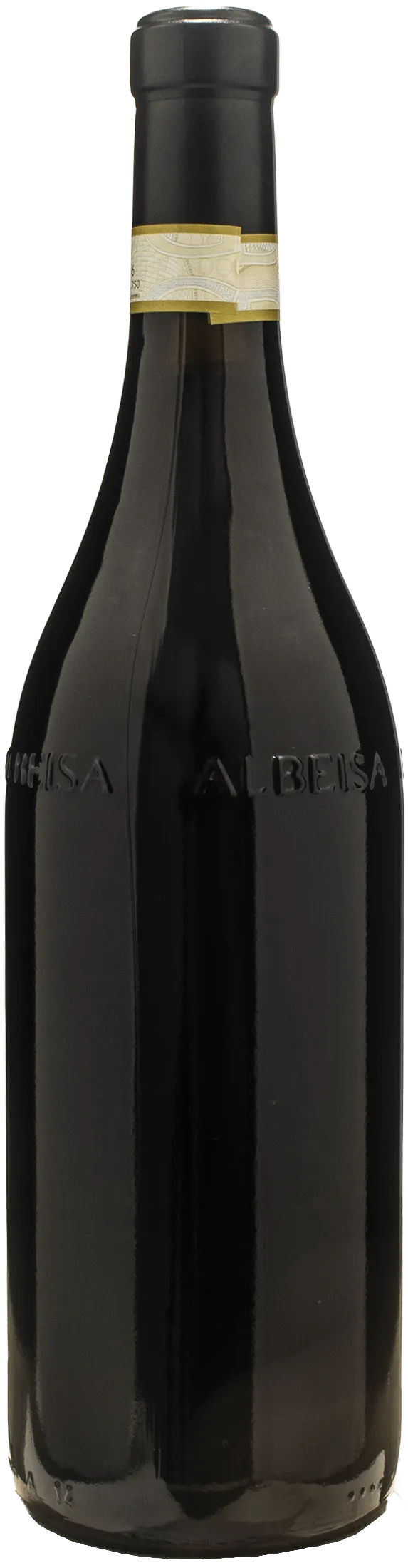
Barolo Cannubi 2021
| Denomination | DOCG Barolo |
|---|---|
| Size | 0,75 l |
| Alcohol content | 14.5% by volume |
| Area | Piedmont (Italy) |
| Grape varieties | 100% Nebbiolo |
| Aging | After this second fermentation, the resulting wine can go aging in Slavonian oak medium capacity (30 hl). The phase lasts at least two years aging in wood, after which it will decide by appropriate tastings bottling. Bottled will stay one more year in a special room at a constant temperature of about 15 ° C. |

Description
Barolo Cannubi from the Brezza winery is produced in one of the most suitable areas for growing Nebbiolo grapes for the production of the eponymous wine. The area is characterized by the fusion of two particularly important geological formations: the Marne di Sant'Agata Fossili and the Arenarie di Diano. The former are composed of a clayey mixture with a strong limestone component. The latter, however, are gray sandstones with a good sandy component. Having land in this highly prized area is an advantage for the winery, which has succeeded in bringing prestige to its wines. The Barolo Cannubi DOCG is a true winemaking gem and represents the highest expression of this wine, known and appreciated throughout the world. The vineyards are located at an altitude of 250 meters with a good southeast exposure. The grape variety used is 100% Nebbiolo of the Lampia and Michet varieties. The training system is espalier and the pruning is Guyot. The harvest takes place in October with the grapes being picked by hand into crates. The integrity of the berries is essential for the success of the vinification. In the cellar, a further selection of the bunches is carried out before destemming and pressing. The alcoholic fermentation lasts 7-8 days at a strictly controlled temperature. The maceration on the skins takes place with a submerged cap with continuous pumping over to extract tannin, color, and aromas. Following racking, the wine is prepared for malolactic fermentation until spring. The wine is then placed in Slavonian oak barrels for a minimum of two years of wood maturation. Once the wine is deemed ready, it is bottled and further aged in glass.
Awards
-
2021
 4
4Italian Sommelier Foundation (FIS) guide This has been one of the most prestigious wine guides in Italy for over 10 years.
-
2021
 2
2This guide is highly respected and offers the most comprehensive review of Italian wines. It has a long tradition and is based on blind tastings carried out by over 100 experts.
-
2021
 93
93/100
The prestigious international wine guide from the renowned Robert Parker, the world's most experienced and trusted wine taster.
-
2021
 3
3One of the most prestigious wine guides in Italy.
-
2021
 92
92/100
Vinous is the online guide from Antonio Galloni, one of the world's leading wine connoisseurs.
-
2021
 4
4Italian Sommelier Association (AIS) guide
- Start up year: 1885
- Oenologist: Enzo Brezza
- Bottles produced: 100.000
- Hectares: 20
Located a short walk from the center of the small town of Barolo is immersed in the vineyards as well as the adjacent Restaurant and Hotel also family. Currently the Company is conducted in organic farming certified by the fourth generation. Proponents of tradition, we are convinced that today the best way to respect the spirit consists in not a priori close the door to innovation, particularly if this enables us to better protect and enhance its typical wines of Langa, the characteristics of the grapes and the various terroir.
The company's philosophy is to produce single-variety wines looking better vineyard with appropriate pruning and thinning accurate. We practice the use of green manure and compost that enhance the vitality of the soil and we use light equipment that reduce compaction and fuel consumption. Such meticulous care for the vines, with appropriate pruning, has preserved in excellent health so that some strains have reached the venerable age of 70 years.
With manual harvesting, carried out with great care, we try to pick the grapes at the right degree of maturity. In fact, they will then find all the harmony and balance of a great wine. In the cellar, we try to accompany this quality until the bottle. We work with a light hand, control temperature and spontaneous fermentation. The aging for wines that need it is traditional, in large casks made of Slavonian oak, with the planks bent on fire but not roasted.
The wines are aged in wood are neither filtered nor clarified. Ten years ago we decided to use for the closure of a significant amount of our bottles in an innovative glass stopper which provides, in our opinion, more guarantees respecting the typical characteristics of our wines. Read more


| Name | Brezza Barolo Cannubi 2021 |
|---|---|
| Type | Red organic still |
| Denomination | Barolo DOCG |
| Vintage | 2021 |
| Size | 0,75 l |
| Alcohol content | 14.5% by volume |
| Grape varieties | 100% Nebbiolo |
| Country | Italy |
| Region | Piedmont |
| Vendor | Brezza |
| Origin | Barolo - Geologically speaking it is clear the uniqueness of Cannubi; here it is in fact merge two of the four geological formations that characterize the area of Barolo: THE SANT'AGATA FOSSIL MARL (TOV) There are mainly in the towns of Barolo and La Morra Tortonian age and gray-bluish color (clay with a strongly calcareous component). and THE DIANO SANDSTONES that characterize the towns of Castiglione Falletto, Monforte and Barolo. They consist of more or less compact sand alternating with gray sandstone. The period of their training is the Elveziano. |
| Soil composition | Extension: 1,4 ha Exposure: south-east Altitude: 250 m. Terrain: silty-sandy texture: 36.9% sand, 39.5% silt, clay 23.6% |
| Cultivation system | Cultivation: espalier pruning system: traditional Guyot Facility Sixth: 1 m. x 2.7 m. |
| Plants per hectare | 3.700 |
| Yield per hectare | 6.000/7.000 kg |
| Wine making | Established the harvest time (October), the grapes after a careful manual selection is transported to the winery perfectly into perforated plastic baskets. Come to the winery, the grapes are pressed after stemming and sent in tanks at controlled temperatures. Alcoholic fermentation lasts about 7-8 days with temperatures never exceed 26 ° C. In this phase the maceration is carried out at emerged cap with frequent mixing. It is then prolonged, depending on the case, for another 10 5 days with submerged cap. After racking the wine is still veiled maintained at 18 ° C to facilitate the malolactic without waiting for spring warmth. |
| Aging | After this second fermentation, the resulting wine can go aging in Slavonian oak medium capacity (30 hl). The phase lasts at least two years aging in wood, after which it will decide by appropriate tastings bottling. Bottled will stay one more year in a special room at a constant temperature of about 15 ° C. |
| Allergens | Contains sulphites |