

Sancaba
Bianco 2025
| Denomination | IGT Toscana |
|---|---|
| Size | 0,75 l |
| Alcohol content | 12.5% by volume |
| Area | Tuscany (Italy) |
| Grape varieties | 75% Grechetto, 25% Trebbiano |
| Aging | Ageing: mostly in 20 hl cement tanks with frequent stirring of the fine lees, a smaller portion in 5 hl amphorae, and a small part in 225 l French oak barriques for about 6 months; finally clarified and filtered before bottling. |
- Tuscan origin: produced in San Casciano dei Bagni (SI), Toscana Indicazione Geografica Tipica
- Free-run must: obtained through gentle pressing at low pressure and careful selection of the grapes
- Fermentation: takes place in steel at 12°C with indigenous yeasts for about two weeks
- 6 months ageing: matured in cement on fine lees, partly in amphora and French barrique
- Vineyard: 8,000 plants per hectare, yield of 40 quintals per hectare; harvested from 14th to 18th September
Description
What kind of wine it is
Sancaba Bianco is a still white wine from Tuscany made from Pinot Noir grapes. Produced solely from the free-run must, it ferments with indigenous yeasts for a dry and fresh profile. Maturation in concrete, amphorae and French oak barrels gives volume and depth to the palate, while maintaining extreme precision of flavour.
Where it comes from
It originates in San Casciano dei Bagni, in the province of Siena. The expression of the Sienese territory is ensured by careful vineyard management, with young vines planted at a density of eight thousand plants per hectare. This choice limits the yield to forty quintals per hectare, reflecting the character of Tuscany in every glass.
How it is produced
The process begins with a gentle pressing of the free-run must. Fermentation takes place in stainless steel at low temperature with wild yeasts. This is followed by six months of ageing in concrete with stirring of the fine lees, amphorae and oak barrels. Final filtration and clarification define its clear and precise profile.
History and Curiosities
The 2025 vintage of Sancaba Bianco originates in San Casciano dei Bagni, embodying the authentic charm of Tuscany IGT. This refined wine is born from a careful selection of the prized free-run must, obtained through gentle low-pressure pressing. Fermentation takes place in steel at 12°C for about two weeks, using only indigenous yeasts to enhance its purity. The identity of this white wine is shaped by a six-month maturation, divided between cement tanks on fine lees, French barriques, and an evocative ageing in amphora.
Tasting notes

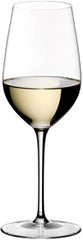
Color
Serve at:
08 - 10 °C
Longevity:
05 - 10 years
Between 2014 and 2016 various different approaches were experimented both in the vineyard and in the winery and it was decided not to release the wines on the market. In 2017 the new high density vineyards planted in 2013 began to produce their first crop and production resumed with a gradual increase in the number of bottles produced from 1200 to 3300, eventually reaching the current 6000 level. In 2021 the original farmhouse and winery undergo restoration and production is planned to return home on the estate at San Casciano under the supervision of Carlo Franchetti with the assistance of oenologist Gianluca Colombo.
In 2022, Petit Sancaba goes into production for the first time, produced with grapes from a young vineyard and second choice Sancaba grapes. In 2024 it is the turn of Sancaba Bianco, produced from Grechetto grapes planted in 2018 and 2019.
The name Sancaba is an acronym invented by Carlo Franchetti as a tribute to the town of San Casciano dei Bagni. Read more


| Name | Sancaba Bianco 2025 |
|---|---|
| Type | White green still |
| Denomination | Toscana IGT |
| Vintage | 2025 |
| Size | 0,75 l |
| Alcohol content | 12.5% by volume |
| Grape varieties | 75% Grechetto, 25% Trebbiano |
| Country | Italy |
| Region | Tuscany |
| Vendor | Sancaba |
| Story | History and Curiosities The 2025 vintage of Sancaba Bianco originates in San Casciano dei Bagni, embodying the authentic charm of Tuscany IGT. This refined wine is born from a careful selection of the prized free-run must, obtained through gentle low-pressure pressing. Fermentation takes place in steel at 12°C for about two weeks, using only indigenous yeasts to enhance its purity. The identity of this white wine is shaped by a six-month maturation, divided between cement tanks on fine lees, French barriques, and an evocative ageing in amphora. |
| Origin | San Casciano dei Bagni (SI) |
| Plants per hectare | 8,000 |
| Yield per hectare | 40 q/ha |
| Harvest | Between 14 and 18 September |
| Fermentation temperature | 12°C |
| Fermentation | About two weeks |
| Production technique | Low-pressure pressing using only the free-run must; fermentation in stainless steel at 12°C with indigenous yeasts; maturation mainly in cement tanks with frequent stirring of the fine lees, partly in amphora and a small part in French oak barriques for about 6 months; clarified and filtered before bottling. |
| Wine making | The grapes are gently pressed at low pressure and only the free-run must is used. Vinification takes place in stainless steel at 12°C with indigenous yeasts for about two weeks; the wine is then clarified and filtered before bottling. |
| Aging | Ageing: mostly in 20 hl cement tanks with frequent stirring of the fine lees, a smaller portion in 5 hl amphorae, and a small part in 225 l French oak barriques for about 6 months; finally clarified and filtered before bottling. |
| Allergens | Contains sulphites |