

Conterno Paolo
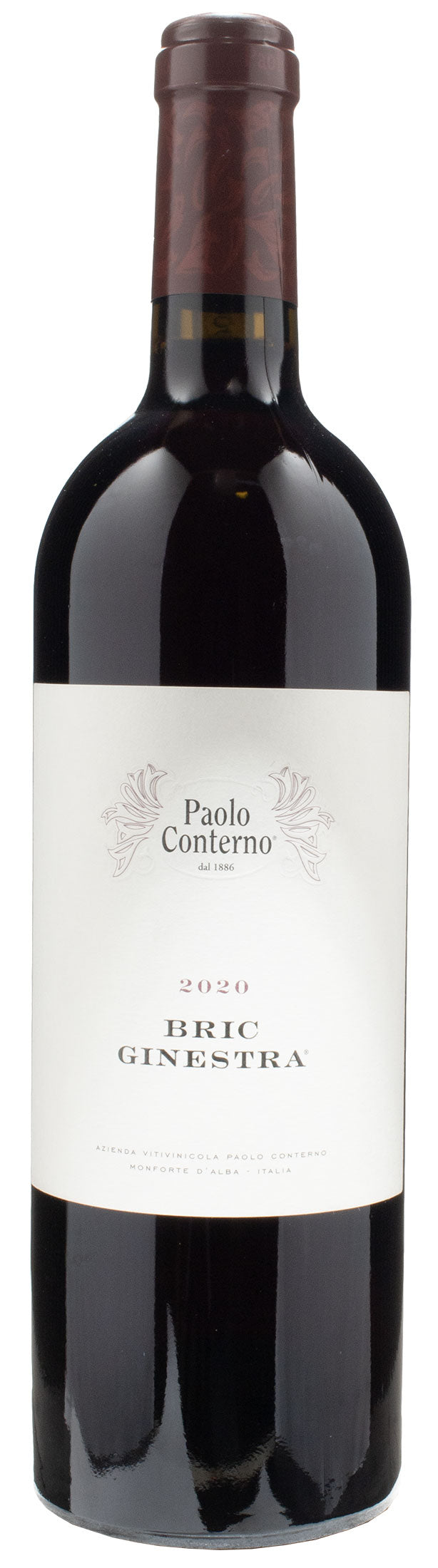
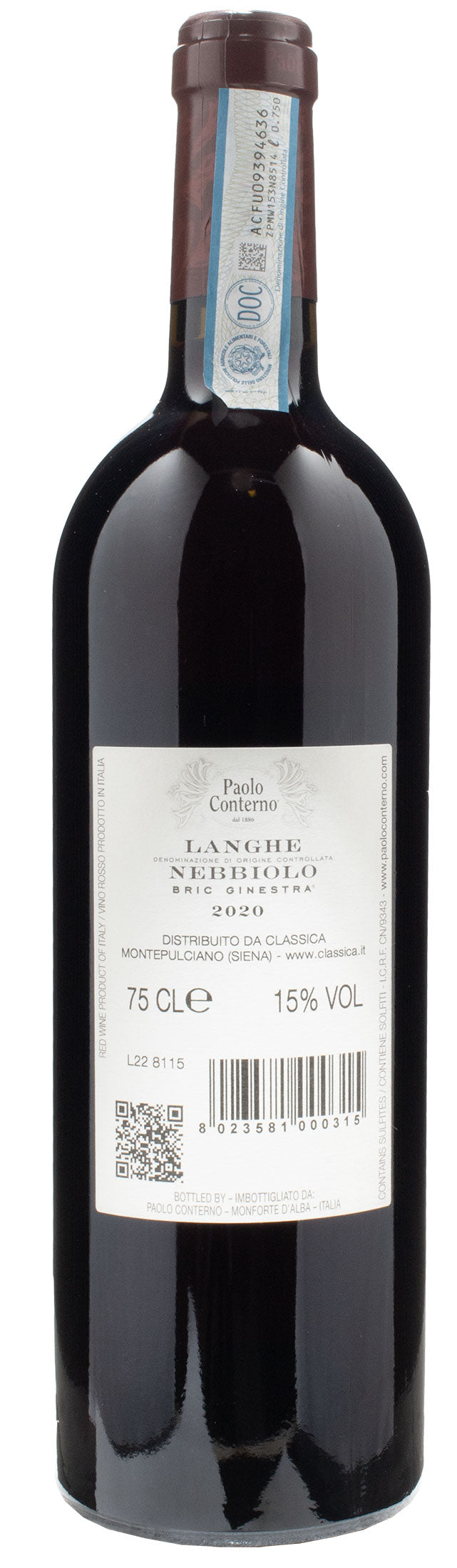
Langhe Nebbiolo Bric Ginestra 2020
| Denomination | Langhe DOC |
|---|---|
| Size | 0,75 l |
| Alcohol content | 15.0% by volume |
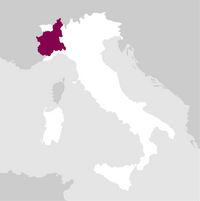
| Area | Piedmont (Italy) |
| Grape varieties | 100% Nebbiolo |
| Aging | After ageing and maintaining its characteristics of freshness and youth, the wine is generally bottled at the end of winter of the second year after harvest. |
| Year | 2020 |
| Product name | Langhe Nebbiolo Bric Ginestra 2020 |
| Color | Brilliant ruby red. |
| Perfume | Broad, enveloping aromas of violet, blackcurrant, black cherry and mint. |
| Taste | Fine and dry on the palate with a young, elegant body and ripe fruit aromas, quite soft and well balanced. |
| Pairings | Beef stew, roast veal, game, rabbit, medium mature hard cheeses. |
| Region | Piedmont |
| Country | Italy |
Description
Still red from Piedmont, Italy, 15% ABV, produced by Conterno Paolo. 100% Nebbiolo, 2020 vintage. A Langhe Nebbiolo Bric Ginestra that embodies the passion of a family dedicated to viticulture for four generations, a wine that expresses the excellence of Nebbiolo from the Langhe. Freshly harvested grapes are crushed and destemmed, followed by maceration in tanks that allow for a gentle and continuous extraction of the finest components from the skins. Ample and enveloping aromas of violet, blackcurrant, black cherry, and mint. Bright ruby red. On the palate, it is fine and dry, with a youthful and elegant body and aromas of ripe fruit, quite soft and well-balanced.
Details

Perfume

Color

Taste
Serve at:
16 - 18 °C.
Longevity:
10 - 15 years
Decanting time:
1 hour

Pairings
- Start up year: 1886
- Oenologist: Giorgio Conterno
- Bottles produced: 180.000
- Hectares: 37
As in the past, each one of us today contributes to the cultivation of the vineyards with great care and commitment. In the past people made use of the few means they had, of manual labour, perseverance and stubbornness. Modern technology helps to save much hard work, and with the experience accumulated over the years, it is possible to do things better and gain great satisfaction and new incentives from our work. Read more


| Name | Paolo Conterno Langhe Nebbiolo Bric Ginestra 2020 |
|---|---|
| Type | Red still |
| Denomination | Langhe DOC |
| Vintage | 2020 |
| Size | 0,75 l |
| Alcohol content | 15.0% by volume |
| Grape varieties | 100% Nebbiolo |
| Country | Italy |
| Region | Piedmont |
| Vendor | Conterno Paolo |
| Origin | Langhe area |
| Climate | Altitude: 300-350 m. a.s.l. Exposure: South-East. |
| Soil composition | Mainly clayey and calcareous soil characterised by ideal water retention. |
| Cultivation system | Guyot with counter-espalier. |
| Plants per hectare | 4000 |
| Yield per hectare | 60-65 q. |
| Harvest | Manual - first ten days of October |
| Wine making | Destemming of the freshly harvested grapes and subsequent maceration in tanks that allow a soft and continuous extraction of the noble parts of the skin. After a period of 10 - 12 days, the grapes are drawn off and fermentation is completed without further addition of tannins. |
| Aging | After ageing and maintaining its characteristics of freshness and youth, the wine is generally bottled at the end of winter of the second year after harvest. |
| Total acidity | 5.4 gr/L |
| Dry extract | 27.0 gr/L |
| Allergens | Contains sulphites |