


Cantine Leonardo da Vinci
1502 Sangiovese Portocanale Cesenatico Rosato 2024
| Denomination | IGT Rubicone |
|---|---|
| Size | 0,75 l |
| Alcohol content | 12.5% by volume |
| Area | Emilia-Romagna (Italy) |
| Grape varieties | 100% Sangiovese |
| Aging | Ageing with bâtonnage for 2 months on fine lees |
- Type and origin: Still rosé wine from the Rubicone IGT area in Emilia-Romagna, harvested in 2024
- Cold vinification: Pressed and fermented in steel at 13°C with selected yeasts
- Aged on fine lees: Bâtonnage for 2 months to achieve greater balance and structure
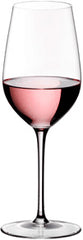
- Aroma and colour: Salmon pink, floral aromas, notes of white peach and apricot
- Taste and serving: Fresh and savoury; serve at 10-12°C with raw seafood and grilled vegetables


Description
What kind of wine it is
The Portocanale di Cesenatico Sangiovese Rosé by Leonardo da Vinci is a still rosé wine from Emilia-Romagna, Rubicone denomination, made from a blend of Sangiovese and other red grape varieties, vinified in stainless steel. Its delicate salmon pink hue introduces a clear aromatic profile, where a pronounced floral note intertwines with hints of white peach, apricot and subtle touches of cherry. On the palate, it is fresh, offering a crisp and savoury sip supported by well-balanced acidity. Citrus nuances blend with a subtle minerality and fine spices, leading to a long and persistent aromatic finish.
Where it comes from
The grapes used for this Rubicone come from the areas of Castrocaro Terme, Predappio and Bertinoro, located at an altitude between fifty and one hundred metres above sea level. The vineyards, facing south-east, are planted on clay-silt valley soils, which become richer in stony skeleton as they approach the Apennines. This particular pedoclimatic context gives the wine a direct and clean style, enhancing a clear and immediate fruit and enriching the sip with a tangible mineral component.
How it is produced
Harvesting takes place in the first half of September. In the winery, the process begins with a gentle pressing to delicately extract the colour, followed by temperature-controlled fermentation in steel with selected yeasts, aimed at preserving the aromatic integrity. The process continues with ageing on fine lees for about two months, accompanied by bâtonnage to give greater harmony and structure. The entire process follows the principles of the Leonardo Method, resulting in excellence, recognised with ninety-six points in Luca Maroni's Yearbook of the Best Italian Wines.
History and Curiosities
The Portocanale di Cesenatico 1502 celebrates the deep connection between the winemaking tradition of Romagna and the genius of Leonardo da Vinci. This rosé is a tribute to history and the region, and is produced following the exclusive Leonardo Method, inspired by the period the artist spent in Romagna.
Tasting notes

Perfume

Color

Taste
Serve at:
10 - 12 °C
Longevity:
03 - 05 years
- Start up year: 1961
- Oenologist: Riccardo Pucci
- Bottles produced: 5.000.000
- Hectares: 750
The original headquarters, restructured and enlarged, are still the operative centre today. The winery is situated in the borough of Vinci, just 5 kilometres from the birthplace of the world famous artist and inventor Leonardo.
The co-operative takes its name from the great man, paying homage to the mind of the man who was universally recognised as a genius and to emphasise its deep-rooted bond with the territory, the same bond which Leonardo felt and whose surname is specifically associated with the village where he was born on 15 April 1452.
Today, Cantine Leonardo da Vinci is a pioneering co-operative, innovative and modern, which relies on the work and grape production of its 160 members. Read more


| Name | Leonardo da Vinci 1502 Sangiovese Portocanale Cesenatico Rosato 2024 |
|---|---|
| Type | Rosé still |
| Denomination | Rubicone IGT |
| Vintage | 2024 |
| Size | 0,75 l |
| Alcohol content | 12.5% by volume |
| Grape varieties | 100% Sangiovese |
| Country | Italy |
| Region | Emilia-Romagna |
| Vendor | Cantine Leonardo da Vinci |
| Story | History and Curiosities The Portocanale di Cesenatico 1502 celebrates the deep connection between the winemaking tradition of Romagna and the genius of Leonardo da Vinci. This rosé is a tribute to history and the region, and is produced following the exclusive Leonardo Method, inspired by the period the artist spent in Romagna. |
| Origin | Castrocaro Terme, Predappio, Bertinoro |
| Climate | Altitude: 50 00 m a.s.l. |
| Soil composition | Clayey-silty at the foot of the hill, slightly stony approaching the Apennines |
| Cultivation system | Spurred cordon |
| Harvest | Early, mid-September |
| Fermentation temperature | Al massimo 13 °C |
| Production technique | Soft pressing; cold fermentation in stainless steel (maximum 13 °C) with selected yeasts; maturation with bâtonnage for 2 months on fine lees |
| Wine making | Pressatura soffice per l’estrazione del colore, seguita da fermentazione a freddo in acciaio inox (massimo 13 °C) con lieviti selezionati; affinamento con bâtonnage per 2 mesi su fecce fini. |
| Aging | Ageing with bâtonnage for 2 months on fine lees |
| Allergens | Contains sulphites |