


Fleurs de Prairie
Cotes de Provence Rosé 2024
Other years:
2025| Denomination | AOC Cotes de Provence Rosè |
|---|---|
| Size | 0,75 l |
| Alcohol content | 12.5% by volume |
| Area | Provence (France) |
| Grape varieties | 55% Grenache, 30% Cinsault, 15% Syrah |
| Other years | 2025 |
- Blend and style: Still dry rosé composed of 55% Grenache, 30% Cinsault and 15% Syrah
- Aromatic profile: Notes of strawberry, blackcurrant, lemon, rose petals and herbs
- Freshness on the palate: Lively acidity and a fresh finish with subtle hints of tropical fruit
- Vinification in steel: Night-time harvesting and fermentation at controlled temperature
- Serving and pairings: 8–10 °C; ideal with aperitifs, sushi, shellfish and salads


Description
What kind of wine it is
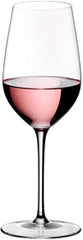
Fleurs de Prairie Côtes de Provence Rosé is a still, dry rosé wine produced by Fleurs de Prairie in the Côtes de Provence. This elegant blend is created from Grenache, Cinsault and Syrah. To the eye, it reveals a brilliant pale pink hue with silvery highlights. The delicate bouquet weaves together aromas of strawberry, blackcurrant and lemon, enriched by hints of rose petals and aromatic herbs. On the palate, a vivid acidity stands out, giving a lively sip that culminates in a fresh finish characterised by subtle notes of tropical fruit.
Where it comes from
This wine originates in the south of France, reflecting the evocative landscape of Provence. The grapes are sourced from high-altitude plots near Montagne Sainte-Victoire, grown on gentle slopes between three hundred and fifty and five hundred metres. The vines take root in clay and limestone soils, benefiting from a sunny, breezy Mediterranean climate with a positive oceanic influence. These ideal conditions impart a pronounced mineral freshness to the wine, ensuring clear fruit and marked expressive finesse.
How it is produced
Vinification begins with a night-time harvest at peak ripeness, the ideal choice to preserve the aromatic vibrancy of the grapes. The grapes are pressed immediately to extract a clear must, which then ferments slowly in stainless steel tanks at a controlled temperature. The entire process takes place in an environment protected from oxygen to safeguard the colour and fruity intensity of the blend. Strict respect for the land is confirmed by adherence to the HVE sustainability programme, resulting in a dry, taut and balanced wine.
History and Curiosities
Produced from the high-altitude vineyards surrounding Mount Sainte-Victoire, Fleurs de Prairie celebrates the evocative wildflower fields of Provence. Winemaker Vincent Euzet’s vision comes to life through night-time harvesting, which is essential for preserving the intense freshness of the newly picked grapes. Fermented in stainless steel in the absence of oxygen to safeguard its bouquet, this excellent rosé boasts the HVE3 sustainability certification, offering an award-winning glass that combines family tradition with a deep respect for nature.
Tasting notes

Perfume

Color

Taste
Serve at:
10 - 12 °C
Longevity:
03 - 05 years
- Start up year: 2016
- Oenologist: Vincent Euzet



| Name | Fleurs de Prairie Cotes de Provence Rosè 2024 |
|---|---|
| Type | Rosé still |
| Denomination | Cotes de Provence AOC |
| Vintage | 2024 |
| Size | 0,75 l |
| Alcohol content | 12.5% by volume |
| Grape varieties | 55% Grenache, 30% Cinsault, 15% Syrah |
| Country | France |
| Region | Provence |
| Vendor | Fleurs de Prairie |
| Story | History and Curiosities Produced from the high-altitude vineyards surrounding Mount Sainte-Victoire, Fleurs de Prairie celebrates the evocative wildflower fields of Provence. Winemaker Vincent Euzet’s vision comes to life through night-time harvesting, which is essential for preserving the intense freshness of the newly picked grapes. Fermented in stainless steel in the absence of oxygen to safeguard its bouquet, this excellent rosé boasts the HVE3 sustainability certification, offering an award-winning glass that combines family tradition with a deep respect for nature. |
| Origin | High-altitude plots around the Sainte-Victoire Mountain, in Provence (Côtes de Provence), southern France |
| Climate | Mediterranean |
| Soil composition | Clay and limestone |
| Fermentation | Approximately 2 weeks |
| Production technique | Fermentation in stainless steel tanks at a controlled temperature, in a nearly oxygen-free environment |
| Wine making | The grapes are crushed immediately upon arrival at the winery and transferred to stainless steel tanks at a controlled temperature for cooling before yeast inoculation; fermentation takes place slowly over about 2 weeks. Throughout the vinification process, the wine is kept in an environment almost devoid of oxygen to preserve colour and intense fruity aromas; the final blending respects the terroirs of Provence. |
| Total acidity | 5.0 gr/L |
| PH | 3.4 |
| Residual sugar | 3.0 gr/L |
| Allergens | Contains sulphites |