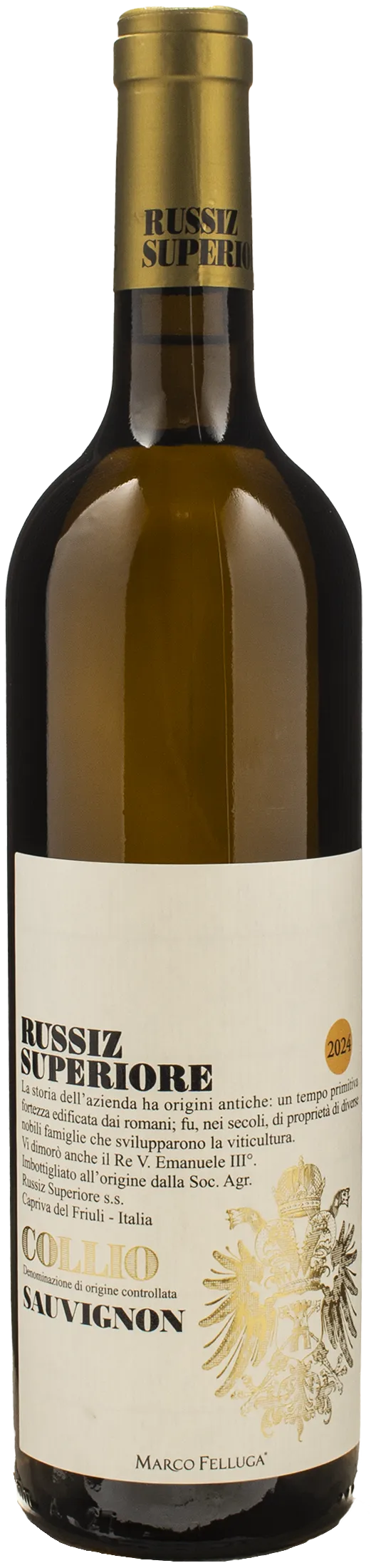
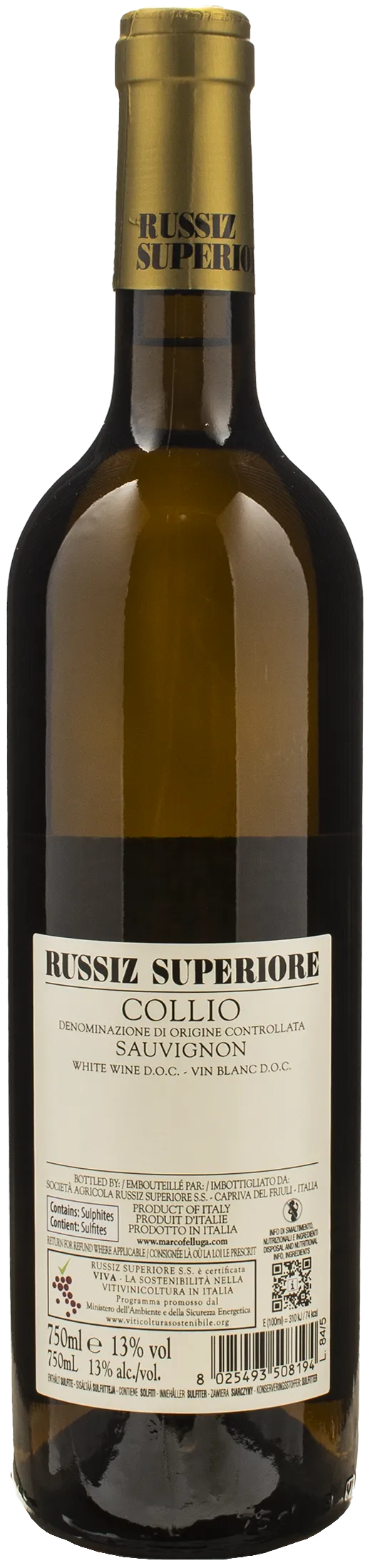
Russiz Superiore
Collio Sauvignon 2024
| Denomination | Collio DOC |
|---|---|
| Size | 0,75 l |
| Alcohol content | 13.0% by volume |
| Area | Friuli-Venezia Giulia (Italy) |
| Grape varieties | 100% Sauvignon |
| Aging | About 8 months on the lees and then in the bottle. |
| Year | 2024 |
| Biologic | Sì |
| Product name | Collio Sauvignon 2024 |
| Color | Straw yellow with green hues. |
| Perfume | The nose denotes fantastic, intense and elegant vegetal and floral notes such as sage, fresh pepper, acacia flowers and grapefruit. |
| Taste | On the palate the freshness and savouriness marry beautifully. Structured and balanced, soft with good extract, long finish. |
| Pairings | It can be combined with every fish-based meal, herbs risotto and first courses. |
| Region | Friuli-Venezia Giulia |
| Country | Italy |
Description
Still white wine from Friuli-Venezia Giulia, 13% ABV, produced by Russiz Superiore. 100% Sauvignon, 2024 vintage. A Collio Sauvignon that embodies the excellence of Russiz Superiore, a historic Collio winery. After harvesting, the grapes are separated from the stalks. The juice and pulp undergo cold maceration, followed by a light pressing to separate them from the skins. Approximately 15% of the must is fermented in oak barrels, the remainder in steel tanks. Aged on the lees for approximately 8 months and then in bottle. The aroma reveals fantastic, intense, and elegant vegetal and floral notes such as sage, fresh bell pepper, acacia blossoms, and grapefruit. Straw yellow with green hues. On the palate, freshness and savory blend beautifully. Structured and balanced, smooth with good extract, and a long finish.
Details

Perfume

Color

Taste
Serve at:
10 - 12 °C.
Longevity:
03 - 05 years
Pairings
- Start up year: 1967
- Oenologist: Giancarlo Tommasi, Giulio Tirel
- Bottles produced: 140.000
- Hectares: 50
Its name originates from the toponym of the hills where its vineyards are located and has always been synonymous with quality and excellence. The eagle of Russiz Superiore, the winery’s emblem, comes from the coat of arms of the Torre Tasso princes—a noble family that arrived in Friuli in 1273 and ruled for many years over the lands where the estate now stands, boasting a history of over 700 years. The estate spans 100 hectares, 50 of which are dedicated to vineyards. The planting density is 6,000 vines per hectare, with a predominant focus on white wine production. Read more


| Name | Russiz Superiore Collio Sauvignon 2024 |
|---|---|
| Type | White green still |
| Denomination | Collio DOC |
| Vintage | 2024 |
| Size | 0,75 l |
| Alcohol content | 13.0% by volume |
| Grape varieties | 100% Sauvignon |
| Country | Italy |
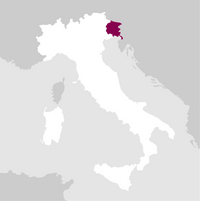
| Region | Friuli-Venezia Giulia |
| Vendor | Russiz Superiore |
| Origin | Municipality Capriva del Friuli in the Collio Doc |
| Climate | Altitude: 80-200 m. a.s.l. |
| Soil composition | Hilly, formed during the Eocene epoch with an alternation of marls (silts and calcareous clays) and sandstones (cemented sands). Impermeable causes surface water run-off with consequent soil erodibility, leading to a very gentle morphology. |
| Cultivation system | Guyot |
| Harvest | Manual |
| Wine making | After harvesting, the grapes are separated from the stalks. The juice and pulp undergo cold maceration, then a light pressing that allows separation from the skins. Approximately 15% of the must is fermented in oak barrels, the remainder in steel tanks. |
| Aging | About 8 months on the lees and then in the bottle. |
| Allergens | Contains sulphites |