


Nino Franco
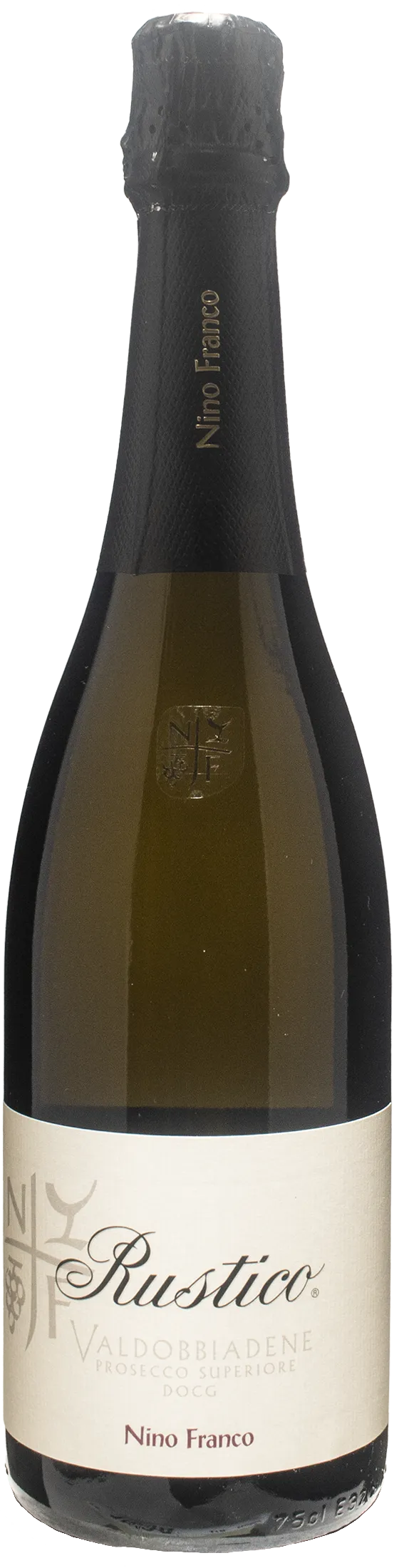
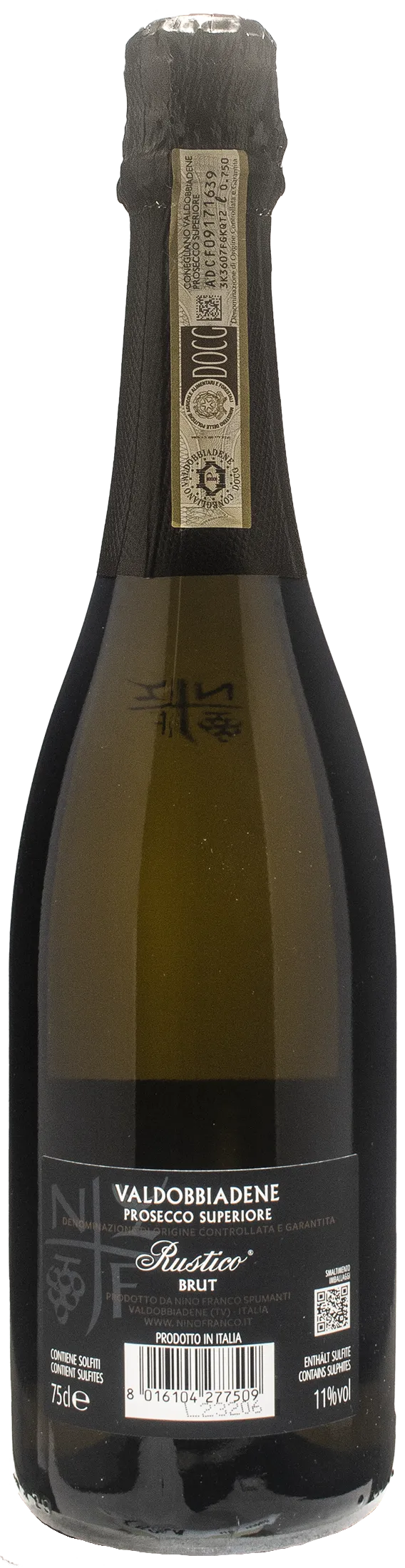
Valdobbiadene Prosecco Superiore Rustico Brut
| Denomination | DOCG Conegliano Valdobbiadene Prosecco Spumante Superiore Brut |
|---|---|
| Size | 0,75 l |
| Alcohol content | 11.0% by volume |
| Area | Veneto (Italy) |
| Grape varieties | 100% Glera |
| Aging | Maturation in stainless steel tanks on the lees (indigenous yeasts), followed by a further 30 days in bottle in the cellar after bottling. |
- DOCG Designation: Valdobbiadene Prosecco Superiore Rustico Brut, 11% vol
- Grapes and harvest: 100% Glera, hand-picked at the end of September
- Sparkling process: Charmat/Martinotti method in autoclave with indigenous yeasts
- Aromas and taste: pear, green apple, citrus and white flowers; dry and refreshing
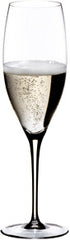
- Perlage and serving: fine and persistent bubbles; serve at 6-8 °C, in a flute
Description
What kind of wine it is
Nino Franco Valdobbiadene Prosecco Superiore Rustico Brut is a fresh and elegant sparkling white wine, made exclusively from Glera grapes. In the glass, it displays a bright straw yellow colour, enhanced by a fine and persistent perlage and a creamy mousse. The aromatic profile opens with fruity notes of Williams pear, green apple and citrus, intertwined with floral hints of acacia and hawthorn, completed by a subtle mineral nuance. On the palate, it is dry, lively and harmonious, with a crystalline texture leading to a pleasantly savoury and refreshing finish.
Where it comes from
This Valdobbiadene Prosecco Superiore originates from the hills of Treviso, in an area characterised by a temperate climate and constant ventilation that preserves the health of the grapes. The marked temperature variations between day and night enhance the aromatic richness of the Glera. The vineyards are set on varied soils: some areas have thin soils rich in organic matter over a calcareous substrate, while others consist of deeper, clay-rich fluvio-glacial deposits. This particular composition ensures optimal drainage, giving the wine its typical finesse.
How it is produced
The vines are trained using the espalier system and the grapes are harvested by hand at the end of September to ensure the integrity of the fruit. In the winery, the grapes are destemmed and gently pressed, followed by cooling of the must and fermentation in stainless steel tanks at a controlled temperature. The secondary fermentation takes place using the Charmat method, through refermentation in autoclave with the use of indigenous yeasts. After this stage, the wine is aged in the Nino Franco cellars for thirty days before release, thus defining its smooth structure.
History and Curiosities
Amidst the Venetian hills, Prosecco Superiore DOCG boasts deep roots dating back to 1772. The historic Nino Franco winery honours this precious heritage with “Rustico”, created in the 1970s and perfected from 1979 onwards following the Charmat method. Produced exclusively from hand-picked Glera grapes, the wine matures on the lees, releasing a delicate floral bouquet. After a final month of rest in the bottle, it offers fine and persistent bubbles that caress the palate with lively freshness and creamy elegance.
Awards
-
 90
90/100
Decanter is a wine and lifestyle magazine, published monthly in around 90 countries. The magazine includes industry news, classic guides and advice on wine and spirits.
-
 92
92/100
James Suckling is an influential American wine critic and journalist who worked at Wine Spectator for 30 years. He left the magazine in 2010 to start his own website and guidebook (JamesSuckling.com). He specialises in Italian and Bordeaux wines.
-
 90
90/100
The prestigious international wine guide from the renowned Robert Parker, the world's most experienced and trusted wine taster.
-
 90
90/100
Vinous is the online guide from Antonio Galloni, one of the world's leading wine connoisseurs.
Tasting notes

Perlage
Perfume

Color
Taste
Serve at:
06 - 08 °C
Longevity:
03 - 05 years
- Start up year: 1919
- Oenologist: Primo Franco
- Bottles produced: 1.100.000
But it was the "quiet revolution" of Primo Franco, Antonio’s grandson, that brought the wind of change, opening the doors of the best restaurants in the world to his Valdobbiadene Prosecco wines. Primo bravely crossed the Piave, leaving behind an agricultural world that exclusively evolved around itself.
Primo’s new wave of Prosecco – authorial, intimate and identifying – is the embodiment of his experiences: travels, encounters, meetings with chefs and gastronomes of the Nouvelle Cuisine, studies in enology and passion for architecture, as well as conversations and drinks with friends.
Today, after making history for a century, Nino Franco is the icon of Valdobbiadene Prosecco. While observing the utmost respect for his homeland, he undid – using quality and imagination – all the prejudices against an easy and standardized wine, one considered as an endowment of a rustic and pragmatic culture. Read more


| Name | Nino Franco Valdobbiadene Prosecco Superiore Rustico Brut |
|---|---|
| Type | White charmat method sparkling wine brut |
| Denomination | Conegliano Valdobbiadene Prosecco DOCG |
| Size | 0,75 l |
| Alcohol content | 11.0% by volume |
| Grape varieties | 100% Glera |
| Country | Italy |
| Region | Veneto |
| Vendor | Nino Franco |
| Story | History and Curiosities Amidst the Venetian hills, Prosecco Superiore DOCG boasts deep roots dating back to 1772. The historic Nino Franco winery honours this precious heritage with "Rustico", created in the 1970s and perfected from 1979 onwards following the Charmat method. Produced exclusively from hand-picked Glera grapes, the wine matures on the lees, releasing a delicate floral bouquet. After a final month of rest in the bottle, it offers fine and persistent bubbles that caress the palate with lively freshness and creamy elegance. |
| Origin | Valdobbiadene e Conegliano (provincia di Treviso), Veneto, Italia |
| Climate | Temperate climate |
| Soil composition | Thin and eroded slopes with organic matter in contact with a calcareous substrate; in more developed areas on fluvioglacial deposits with moderately deep soils and clay components in the deeper layers |
| Harvest | End of September |
| Production technique | Charmat/Martinotti method (refermentation in autoclave) |
| Wine making | Crushing, destemming, cooling of the must and fermentation in temperature-controlled steel tanks; subsequent refermentation in an autoclave using the Charmat/Martinotti method; after bottling, resting in the cellar for 30 days. |
| Aging | Maturation in stainless steel tanks on the lees (indigenous yeasts), followed by a further 30 days in bottle in the cellar after bottling. |
| Residual sugar | 9.0 gr/L |
| Year production | 1100000 bottles |
| Allergens | Contains sulphites |