


Luigi Einaudi
Verduno Pelaverga 2025
| Denomination | DOC Verduno Pelaverga |
|---|---|
| Size | 0,75 l |
| Alcohol content | 13.5% by volume |
| Area | Piedmont (Italy) |
| Grape varieties | Pelaverga Piccolo di Verduno |
| Aging | This is followed by a period of bottle ageing. |
- Grape variety and style: Still red DOC wine made from Pelaverga grapes, with a characteristic pale ruby colour.
- Aromas: Fruity hints of strawberry and floral notes, with a typical white pepper spiciness.
- Taste: Fresh and velvety flavour, with a balance between lively acidity and delicate tannins.
- Vinification: Fermentation in stainless steel at controlled temperature and ageing in bottle.
- Origin and quantity: Produced in Verduno at 300m altitude; production of 4,000 bottles.


Description
What kind of wine it is
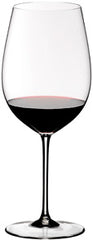
Luigi Einaudi's Verduno Pelaverga is a still red wine from Piedmont, made exclusively from Pelaverga grapes. A true expression of Verduno Pelaverga, it appears in the glass with a bright, pale ruby colour. On the nose, it reveals a distinctive aromatic profile, dominated by fragrant strawberry aromas and floral notes, enhanced by a typical hint of white pepper. On the palate, it offers a fresh and velvety sip, characterised by a balanced interplay between lively acidity and a gentle tannic texture, which enhance its immediate appeal.
Where it comes from
This wine originates in the municipality of Verduno, in the province of Cuneo, from a small plot of just half a hectare. The vineyards, trained using the Guyot system, benefit from an optimal west-facing exposure at around three hundred metres above sea level. The roots delve into clay, limestone and sandy soils, a composition that imparts the wine with its typical combination of grace and structure. With a limited production, Luigi Einaudi offers a strongly territorial interpretation, able to best showcase the unique features of the local pedoclimatic environment.
How it is produced
The processing of the Pelaverga grapes aims to preserve the integrity of the fruit. Vinification takes place in steel fermenters, where temperature control ensures aromatic precision and freshness. The process concludes with a period of maturation in glass, essential for harmonising the structure and smoothing the tannins. The result is a wine with a dynamic and balanced profile, distinguished by excellent drinkability and expressing its best qualities even when young.
History and Curiosities
The Verduno Pelaverga DOC 2025 by Poderi Luigi Einaudi boasts a limited production of only 4,000 bottles. Born at an altitude of 300 metres in the renowned terroir of Verduno, this wine fully expresses the richness of its sandy and calcareous soils. The meticulous vinification in stainless steel at controlled temperature preserves its authenticity, enhancing the unmistakable aromas of strawberry and white pepper. The subsequent ageing in bottle delivers a fresh and velvety sip, ensuring a perfect balance between lively acidity and graceful tannins.
Tasting notes

Perfume

Color

Taste
Serve at:
14 -16 °C
Longevity:
05 - 10 years
Decanting time:
1 hour
- Start up year: 1897
- Oenologist: Giuseppe Caviola
- Bottles produced: 350.000
- Hectares: 60
Estates
The company owns 11 estates in the best positions in Dogliani and Barolo. These estates divide the surface area of the farm, which is approximately one hundred and forty-five hectares, one hundred and four of which are located in the municipality of Dogliani, seven in that of Barolo on the hills of Cannubi and Terlo Vie Nuove, and three on the hills of Treiso. Read more


| Name | Luigi Einaudi Verduno Pelaverga 2025 |
|---|---|
| Type | Red still |
| Denomination | Verduno Pelaverga DOC |
| Vintage | 2025 |
| Size | 0,75 l |
| Alcohol content | 13.5% by volume |
| Grape varieties | Pelaverga Piccolo di Verduno |
| Country | Italy |
| Region | Piedmont |
| Vendor | Luigi Einaudi |
| Story | History and Curiosities The Verduno Pelaverga DOC 2025 by Poderi Luigi Einaudi boasts a limited production of only 4,000 bottles. Born at an altitude of 300 metres in the renowned terroir of Verduno, this wine fully expresses the richness of its sandy and calcareous soils. The meticulous vinification in stainless steel at controlled temperature preserves its authenticity, enhancing the unmistakable aromas of strawberry and white pepper. The subsequent ageing in bottle delivers a fresh and velvety sip, ensuring a perfect balance between lively acidity and graceful tannins. |
| Origin | Comune di Verduno (Cuneo) |
| Soil composition | Argilloso, calcareo, sabbioso |
| Cultivation system | Guyot |
| Plants per hectare | 4500 |
| Production technique | Vinification in steel vats with constant fermentation temperature control, followed by bottle ageing |
| Wine making | Managed in steel vinifiers with constant control of the fermentation temperature; followed by a period of ageing in the bottle. |
| Aging | This is followed by a period of bottle ageing. |
| Year production | 4000 bottles |
| Allergens | Contains sulphites |