


San Giovenale
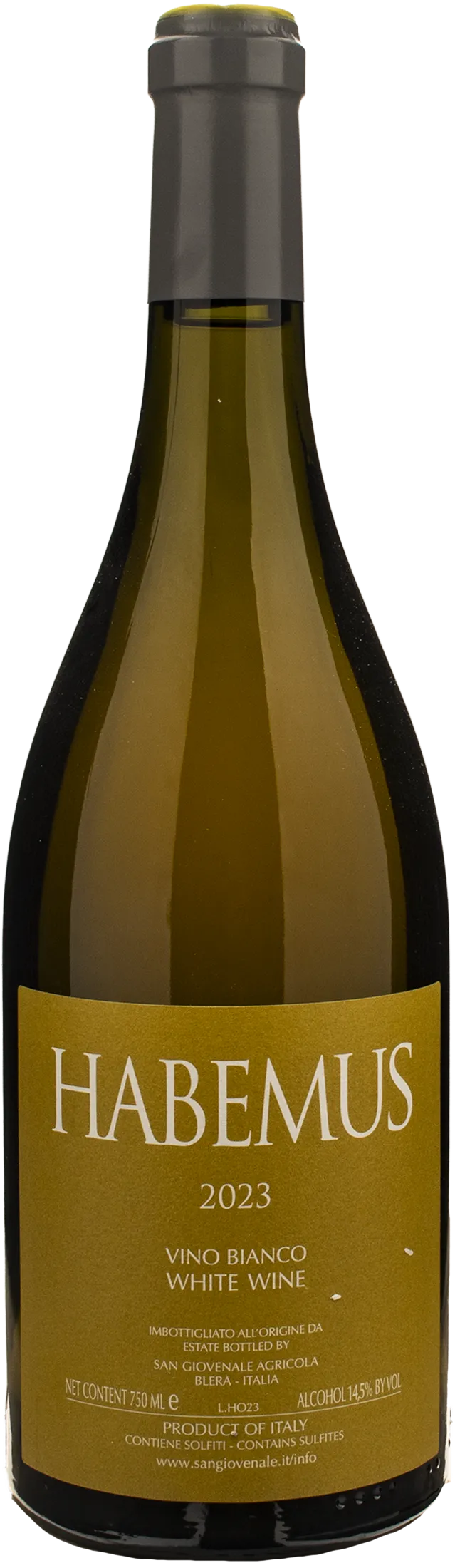
Habemus Etichetta Oro 2023
| Denomination | VdT |
|---|---|
| Size | 0,75 l |
| Alcohol content | 14.5% by volume |
| Area | Lazio (Italy) |
| Grape varieties | Marsanne, Roussanne |
| Aging | 16 months in barrique, 6 months in bottle |
- Blend and style: Still white IGT Lazio from Marsanne and Roussanne, with an intense and savoury character
- Origin and soil: Blera (Viterbo), 380 metres, clay and stone soil, influenced by Tyrrhenian breezes
- Harvest and pressing: Hand-picked in crates, gently pressed within an hour of harvesting
- Ageing: 16 months in barrique and 6 months in bottle for structure and refinement
- Quantity and awards: Limited production of 9,000 bottles, 14.5% ABV, awarded 4 AIS Vines
Description
What kind of wine it is
Habemus Etichetta Oro is a still white wine from Lazio, the result of a refined blend of Marsanne and Roussanne grapes. Produced by the San Giovenale winery, this wine displays an intense aromatic profile and a pronounced savoury note that reflects the maritime influences of the region. On the palate, it reveals an enveloping and elegant structure, the result of a lengthy maturation process designed to enhance its volume and complexity. Thanks to this balance, it pairs harmoniously with seafood dishes, shellfish, and cheese selections, offering a persistent tasting experience.
Where it comes from
The grapes come from the area of Blera, in the province of Viterbo, in the heart of Tuscia. The vineyards are situated at 380 metres above sea level, facing south-east, and rest on clay soils rich in stones. This environment, characterised by a dry climate and constantly refreshed by the Tyrrhenian Sea breeze, ensures even ripening of the bunches. The bush-trained system, combined with high planting density and low yields, encourages remarkable aromatic concentration. The estate operates in full compliance with the principles of organic farming.
How it is produced
The manual harvest takes place during the second half of September, with great care taken to preserve the integrity of the bunches. Vinification begins swiftly with a gentle pressing carried out within an hour of picking, an essential step to maintain maximum aromatic purity and the energy of the must. The wine then matures for sixteen months in wooden barrels, a crucial phase for consolidating its structural texture, before completing the process with a further six months of rest. Under the guidance of oenologist Marco Casolanetti, production takes place in an eco-sustainable winery, powered by photovoltaic panels to reduce environmental impact.
History and Curiosities
The Habemus Etichetta Oro 2023 originates from the organic and eco-sustainable San Giovenale winery in Blera. The Marsanne and Roussanne grapes are hand-picked and gently pressed within an hour of harvesting. This prestigious Lazio IGT, created by Marco Casolanetti, matures for sixteen months in barriques to achieve an extraordinarily enveloping structure. The production, limited to just 9,000 exclusive bottles already awarded the 4 Viti AIS, offers a pure expression of the clay and stony soils of Tuscia, refreshed by the sea breeze.
Awards
-
2023
 4
4Italian Sommelier Foundation (FIS) guide This has been one of the most prestigious wine guides in Italy for over 10 years.
-
2023
 2
2This guide is highly respected and offers the most comprehensive review of Italian wines. It has a long tradition and is based on blind tastings carried out by over 100 experts.
-
2023
 4
4Italian Sommelier Association (AIS) guide
Tasting notes

Color
Serve at:
12 - 14 °C
Longevity:
10 - 15 years

- Oenologist: Marco Casolanetti
- Bottles produced: 9.000
- Hectares: 10
Attention to the environment is an essential value for San Giovenale, which works the vineyards with high-density planting criteria to obtain quality grapes. Spring water for irrigation and an eco-sustainable wine cellar with photovoltaic panels complete the commitment to sustainability. The result is wines of extraordinary structure and complexity, such as the excellent Habemus, an oenological homage to the lands of the Etruscans. Read more


| Name | San Giovenale Habemus Etichetta Oro 2023 |
|---|---|
| Type | White still |
| Denomination | VdT |
| Vintage | 2023 |
| Size | 0,75 l |
| Alcohol content | 14.5% by volume |
| Grape varieties | Marsanne, Roussanne |
| Country | Italy |
| Region | Lazio |
| Vendor | San Giovenale |
| Story | History and Curiosities The Habemus Etichetta Oro 2023 originates from the organic and eco-sustainable San Giovenale winery in Blera. The Marsanne and Roussanne grapes are hand-picked and gently pressed within an hour of harvesting. This prestigious Lazio IGT, created by Marco Casolanetti, matures for sixteen months in barriques to achieve an extraordinarily enveloping structure. The production, limited to just 9,000 exclusive bottles already awarded the 4 Viti AIS, offers a pure expression of the clay and stony soils of Tuscia, refreshed by the sea breeze. |
| Origin | Blera (Viterbo) |
| Climate | Dry and constantly ventilated by the Tyrrhenian Sea |
| Soil composition | Clayey with stony elements |
| Cultivation system | Alberello |
| Plants per hectare | 13000 |
| Yield per hectare | 12 quintals per hectare |
| Harvest | Second half of September |
| Production technique | Manual harvest in crates; soft pressing within 1 hour of harvesting |
| Wine making | Soft pressing within 1 hour of harvesting. |
| Aging | 16 months in barrique, 6 months in bottle |
| Year production | 9000 bottles |
| Allergens | Contains sulphites |