


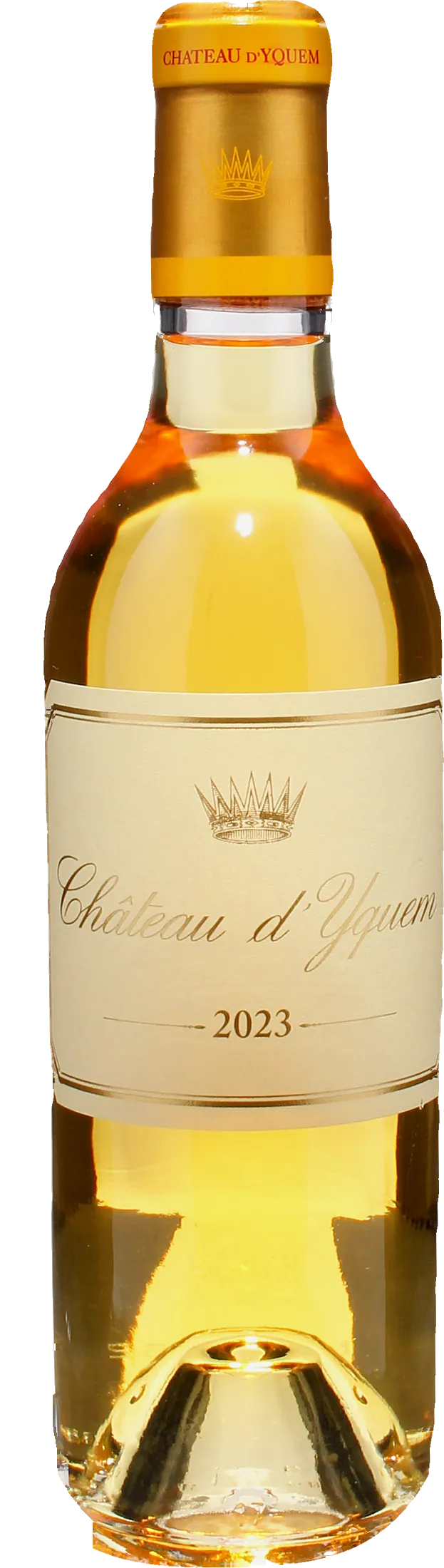
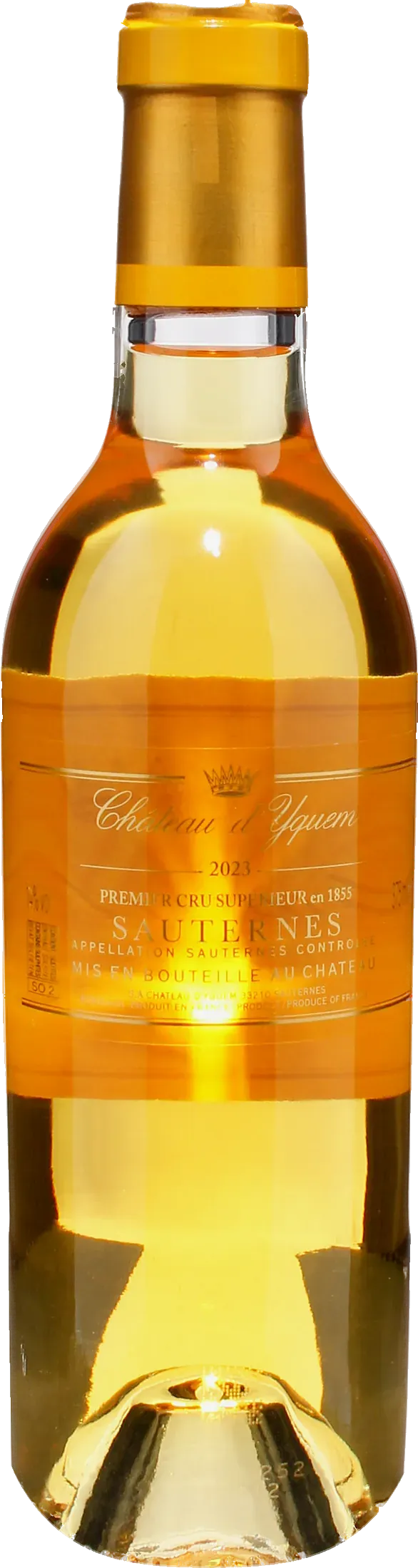
Chateau d'Yquem
Sauternes 0.375L 2023
| Denomination | AOC Sauternes Premier Grand Cru Classè |
|---|---|
| Size | 0,375 l |
| Alcohol content | 14.0% by volume |
| Area | Bordeaux (France) |
| Grape varieties | 80% Semillon, 20% Sauvignon |
| Aging | After fermentation, the wine is ready for a period of ageing in new barriques. Every 3 months, the wine is separated from the lees at the bottom of the barrel. The wine completes its maturation in barriques and is bottled in the fourth spring after the harvest. |
| Other years | 2021 , 2022 |
- Vintage and format: Sauternes 2023 in a half bottle of 0.375 litres
- Grape blend: 70% Sémillon and 30% Sauvignon Blanc from grapes with noble rot
- Aromas and taste: notes of apricot, dark plum and mandarin marmalade; velvety texture
- Ageing: fermentation for 3–4 weeks followed by new barriques with racking every three months
- Pairings: ideal with blue and mature cheeses, refined starters; long persistence
Description
What kind of wine it is
Château d’Yquem is a sweet white wine made from grapes affected by noble rot, the highest expression of Sauternes. The blend of Sémillon and Sauvignon Blanc releases a concentrated bouquet of roasted rhubarb, lilac, citron and beeswax. On the palate, it is velvety and expansive, supported by a precise almond-like texture. The balance between intense sweetness and vibrant freshness enhances the clear notes of apricot, dark plum and mandarin jam, leading the tasting towards a long and persistent finish.
Where it comes from
This wine originates in the Sauternes area, in the prestigious Bordeaux region. The local temperate oceanic climate favours the optimal development of noble rot, responsible for the natural dehydration of the grape clusters. The vineyards rest on uniquely composed soils, characterised by layers of clay, sand and gravel distributed in varying thicknesses. This complex geology ensures extraordinary organoleptic concentration, confirming the prestige of a true Premier Grand Cru Classé. The result is a nectar of rare intensity, capable of evolving and defying the decades.
How it is produced
Immediately after harvesting, the grapes are taken to the cellar to undergo multiple pressings, a crucial step to extract every precious substance from the berries. The natural alcoholic fermentation lasts about three or four weeks, ensuring a high residual sugar content in perfect harmony with the natural acidity of the must. The wine is then transferred exclusively into new barrels, where it begins its ageing process. Every three months, the wine is separated from the lees by racking. This meticulous process concludes with bottling, usually carried out in the fourth spring following the harvest.
History and Curiosities
Château d’Yquem has been the exclusive Premier Grand Cru Classé of Sauternes since 1855, an absolute masterpiece of Bordeaux. The 2023 vintage, renamed “Apotheosis”, represents the pinnacle of a glorious trilogy, completing the cycle that began in 2021 and 2022. The masterful influence of noble rot gives the wine extraordinary purity and complexity, ensuring an ageing potential capable of defying the decades. The meticulous maturation in new barriques, marked by quarterly rackings, culminates with bottling in the fourth spring.
Awards
-
2023
 100
100/100
James Suckling is an influential American wine critic and journalist who worked at Wine Spectator for 30 years. He left the magazine in 2010 to start his own website and guidebook (JamesSuckling.com). He specialises in Italian and Bordeaux wines.
-
2023
 100
100/100
The prestigious international wine guide from the renowned Robert Parker, the world's most experienced and trusted wine taster.
Tasting notes
Perfume
Color
Taste
Serve at:
10 - 12 °C
Longevity:
15 - 25 years
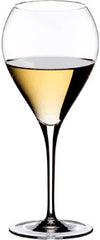
- Start up year: 1593
- Oenologist: Sandrine Garbay, Lurton, Dubourdieu
- Hectares: 103
Yquem's success stems largely from the site's susceptibility to attack by "noble rot".
Wines from Château d'Yquem are characterised by their complexity, concentration and sweetness. A relatively high acidity helps to balance the wine's sweetness. Another characteristic for which Château d'Yquem wines are known is their longevity. With proper care, a bottle will keep for a century or more. During this time, the fruity overtones will gradually fade and integrate with more complex secondary and tertiary flavours. Read more


| Name | Chateau d'Yquem Sauternes 0.375L 2023 |
|---|---|
| Type | White dessert wine from grapes with noble rot dessert wine semi-aromatic |
| Denomination | Sauternes AOC |
| Vintage | 2023 |
| Size | 0,375 l |
| Alcohol content | 14.0% by volume |
| Grape varieties | 80% Semillon, 20% Sauvignon |
| Country | France |
| Region | Bordeaux |
| Vendor | Chateau d'Yquem |
| Story | History and CuriositiesChâteau d’Yquem has been the exclusive Premier Grand Cru Classé of Sauternes since 1855, an absolute masterpiece of Bordeaux. The 2023 vintage, renamed "Apotheosis", represents the pinnacle of a glorious trilogy, completing the cycle that began in 2021 and 2022. The masterful influence of noble rot gives the wine extraordinary purity and complexity, ensuring an ageing potential capable of defying the decades. The meticulous maturation in new barriques, marked by quarterly rackings, culminates with bottling in the fourth spring. |
| Origin | Sauternes, Bordeaux |
| Climate | Temperate oceanic climate |
| Soil composition | Layers of clay, sand and gravel stacked on top of each other like plates of different thickness and size |
| Yield per hectare | 9 hl/hectare |
| Fermentation | About 3-4 weeks |
| Production technique | The freshly harvested grapes are quickly transported to the cellar and pressed several times to completely extract the substances contained in the grape. |
| Wine making | Alcoholic fermentation occurs naturally and lasts about 3-4 weeks, after which the wine will have a residual sugar content of approximately 125 g/l. |
| Aging | After fermentation, the wine is ready for a period of ageing in new barriques. Every 3 months, the wine is separated from the lees at the bottom of the barrel. The wine completes its maturation in barriques and is bottled in the fourth spring after the harvest. |
| Total acidity | 5.63 gr/L |
| PH | 3.85 |
| Residual sugar | 153.0 gr/L |
| Allergens | Contains sulphites |