


Castello di Monsanto
Chianti Classico 2023
| Denomination | DOCG Chianti Classico |
|---|---|
| Size | 0,75 l |
| Alcohol content | 14.5% by volume |
| Area | Tuscany (Italy) |
| Grape varieties | 90% Sangiovese, 5% Canaiolo Nero, 5% Colorino |
| Aging | Aged for 12 months in 50 hl Slavonian oak barrels, followed by approximately 3 months of bottle ageing. |
- Identity: Chianti Classico DOCG 2023 Castello di Monsanto, 0.75 l, 14.5% vol
- Grape variety: 90% Sangiovese with 5% Canaiolo and 5% Colorino
- Aromas: morello cherry, wild strawberry and blueberry with geranium, humus and aromatic herbs
- Ageing: 18 days in steel; 12 months in Slavonian oak plus 3 months in bottle
- Serving and pairings: decant for 1 hour; 16-18 °C with meats, pork, game, cheeses


Description
What kind of wine is it
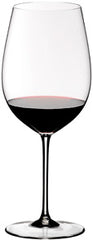
Castello di Monsanto Chianti Classico is a still red wine that expresses the authentic soul of its territory. Characterised by a bright ruby colour, it reveals a bouquet of morello cherry, wild strawberry and blueberry, enriched with notes of geranium, humus and aromatic herbs. On the palate, it is fresh and flavoursome, supported by a structural balance that delivers a long taste persistence. Ideal if left to decant for about an hour, it pairs excellently with mature cheeses, red meats, pork and game.
Where it comes from
This red is born in the heart of Chianti Classico, in a particularly renowned area of Tuscany, near Barberino Val d’Elsa. Castello di Monsanto carefully selects the grapes from the plots best suited for optimal ripening. The identity of this wine is based on a blend featuring Sangiovese, accompanied by Canaiolo and Colorino. This varietal composition combines the purity of small fruits with elegant vegetal notes, giving the sip a pronounced territorial character.
How it is produced
The vinification process begins with fermentation in stainless steel lasting about eighteen days, essential for extracting the desired aromatic profile. Subsequently, the wine matures for twelve months in large Slavonian oak barrels, encouraging a harmonious evolution of the tannins without ever overpowering the fruit’s fragrance. A further three-month rest in the bottle completes the production cycle, ensuring an optimal ageing potential estimated between five and ten years.
History and Curiosities
Since 1962, the Bianchi family has managed Castello di Monsanto, creating a distinctive Chianti Classico DOCG. The result of a careful selection from 72 hectares of vineyards, the Sangiovese, Canaiolo and Colorino grapes are expertly handled by oenologist Andrea Giovannini to enhance their freshness and savouriness. After vinification, the wine matures for twelve months in large Slavonian oak barrels, acquiring an elegance that has earned it an impressive 93 points from James Suckling. An ideal Tuscan red to accompany meat and game dishes.
Awards
-
2023
 4
4Italian Sommelier Foundation (FIS) guide This has been one of the most prestigious wine guides in Italy for over 10 years.
-
2023
 93
93/100
James Suckling is an influential American wine critic and journalist who worked at Wine Spectator for 30 years. He left the magazine in 2010 to start his own website and guidebook (JamesSuckling.com). He specialises in Italian and Bordeaux wines.
-
2023
 91
91/100
Vinous is the online guide from Antonio Galloni, one of the world's leading wine connoisseurs.
-
2023
 4
4Italian Sommelier Association (AIS) guide
-
2023
 93
93/100
Wine spectator is the most influential wine guide on the internet.
Tasting notes

Perfume

Color

Taste
Serve at:
16 - 18 °C
Longevity:
05 - 10 years
Decanting time:
1 hour
- Start up year: 1962
- Oenologist: Andrea Giovannini
- Bottles produced: 420.000
- Hectares: 72
Wine in Tuscany was not yet ready for a revolution. Audacity, determination, and foresight were key to pursuing ideas that might have seemed obscure at the time, but later played a large part in the history of Chianti Classico. Today Laura, Fabrizio's daughter, continues what her father, thanks to her grandfather Aldo, started, by transforming longstanding tradition with pride and tenacity. Because the future passes right through here: from what was built yesterday for a better tomorrow. Read more


| Name | Castello di Monsanto Chianti Classico 2023 |
|---|---|
| Type | Red still |
| Denomination | Chianti Classico DOCG |
| Vintage | 2023 |
| Size | 0,75 l |
| Alcohol content | 14.5% by volume |
| Grape varieties | 90% Sangiovese, 5% Canaiolo Nero, 5% Colorino |
| Country | Italy |
| Region | Tuscany |
| Vendor | Castello di Monsanto |
| Story | History and Curiosities Since 1962, the Bianchi family has managed Castello di Monsanto, creating a distinctive Chianti Classico DOCG. The result of a careful selection from 72 hectares of vineyards, the Sangiovese, Canaiolo and Colorino grapes are expertly handled by oenologist Andrea Giovannini to enhance their freshness and savouriness. After vinification, the wine matures for twelve months in large Slavonian oak barrels, acquiring an elegance that has earned it an impressive 93 points from James Suckling. An ideal Tuscan red to accompany meat and game dishes. |
| Origin | Barberino Val d'Elsa (FI) |
| Fermentation | Approximately 18 days |
| Production technique | Fermented in stainless steel for about 18 days; aged for 12 months in 50 hl Slavonian oak barrels, followed by about 3 months of bottle ageing |
| Wine making | Fermented in stainless steel for approximately 18 days; aged for 12 months in 50 hl Slavonian oak barrels, followed by around 3 months of bottle ageing. |
| Aging | Aged for 12 months in 50 hl Slavonian oak barrels, followed by approximately 3 months of bottle ageing. |
| Allergens | Contains sulphites |