


Nino Franco
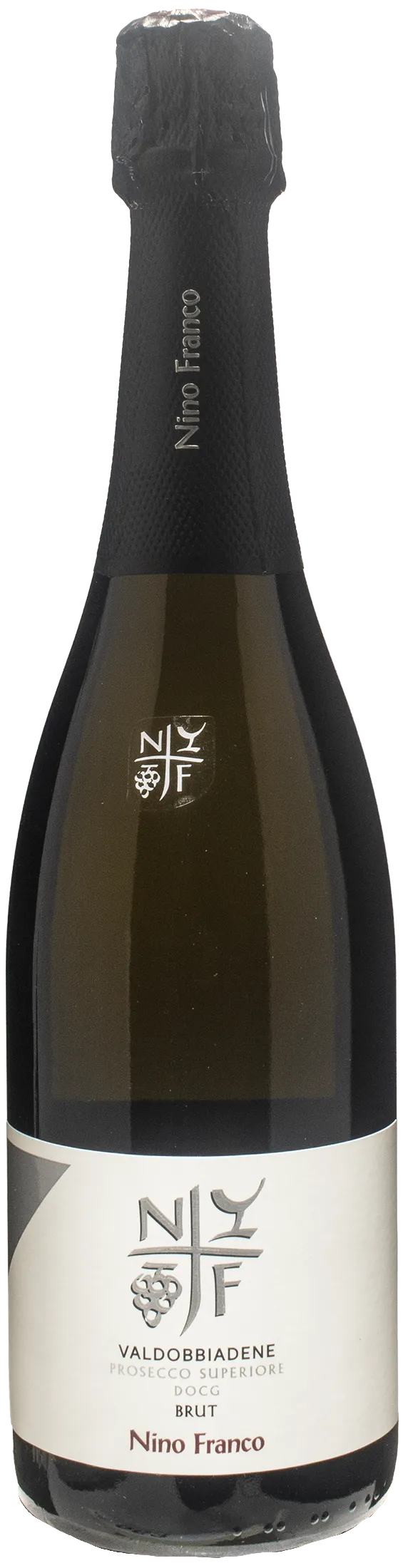
Valdobbiadene Prosecco Superiore Brut
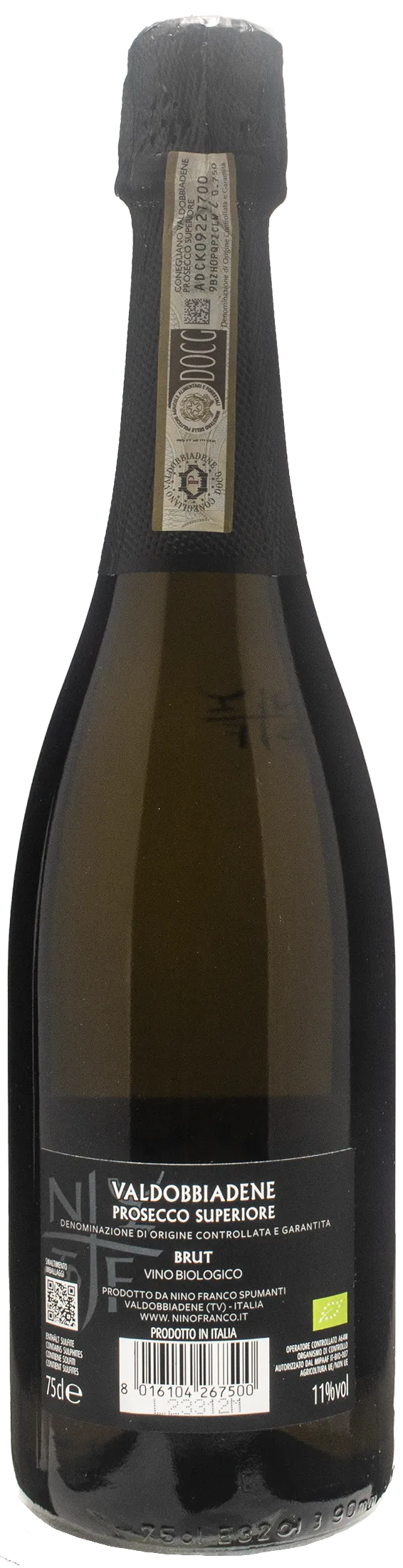
| Denomination | DOCG Conegliano Valdobbiadene Prosecco Spumante Superiore Brut |
|---|---|
| Size | 0,75 l |
| Alcohol content | 11.0% by volume |
| Area | Veneto (Italy) |
| Grape varieties | 100% Glera |
| Aging | Charmat method (Martinotti). Second fermentation in a pressurised tank. |
- Name and origin: Organic Prosecco Superiore DOCG from Valdobbiadene, Veneto
- Grape and style: Made from 100% Glera grapes, dry Brut sparkling wine with 11% vol
- Aromas: Notes of green apple, pear, white flowers, citrus fruits and a slight mineral hint
- Palate and bubbles: Fine perlage, creamy mousse, lively freshness and pronounced savouriness
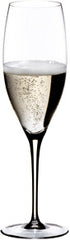
- Serving and pairings: Serve at 6-8°C in a flute glass; ideal with aperitifs, sushi, shellfish and fried foods
Description
What kind of wine it is
Nino Franco Valdobbiadene Prosecco Superiore Brut is an organic sparkling wine from Veneto, an authentic expression of the Glera grape variety. Produced in the Brut style, it stands out for its fine and persistent perlage which enhances a clear aromatic profile. On the nose, it offers aromas of green apple, pear and white flowers, with subtle citrus and mineral notes. On the palate, the creamy mousse envelops the sip with lively freshness, accompanied by a savoury touch that provides perfect balance and a clean finish.
Where it comes from
The grapes grow on the hills of Valdobbiadene, in the heart of the historic production area. The vineyards climb steep slopes, benefiting from a cool microclimate and optimal exposure for aromatic development. The soils vary greatly: on the eroded slopes they are thin, in direct contact with the calcareous substrate, while in the flatter areas they show deep clay over fluvioglacial deposits. This geological complexity gives the wine a distinct saline sensation and a dry character.
How it is produced
After gentle pressing and the first fermentation, the secondary fermentation takes place in a pressurised tank, a technique chosen to preserve the integrity of the fruit. This is followed by a thirty-day rest in the cellar, necessary to delicately integrate the perlage. Served at 6-8 °C, it makes an excellent aperitif. At the table, it suggests harmonious pairings with seafood starters, shellfish, sushi and fried dishes, and also pairs elegantly with vegetarian dishes or a classic pizza.
History and Curiosities
Founded in 1919, Nino Franco is a historic family-run winery in Valdobbiadene that represents the excellence of Prosecco Superiore DOCG. This elegant Brut is dedicated to Giovanni Franco, known as Nino, and celebrates the unbreakable bond between generations and the uniqueness of the Veneto terroir. Under the guidance of oenologist Primo Franco, the company has managed to modernise production, establishing itself on the world stage. Its prestige is confirmed by international awards, with excellent ratings of up to 92/100 awarded by Wine Enthusiast and Falstaff.
Awards
-
 4
4Italian Sommelier Foundation (FIS) guide This has been one of the most prestigious wine guides in Italy for over 10 years.
-
 88
88/100
The prestigious international wine guide from the renowned Robert Parker, the world's most experienced and trusted wine taster.
-
 2
2One of the most prestigious wine guides in Italy.
Tasting notes

Perlage
Perfume

Color
Taste
Serve at:
06 - 08 °C
Longevity:
03 - 05 years
- Start up year: 1919
- Oenologist: Primo Franco
- Bottles produced: 1.100.000
But it was the "quiet revolution" of Primo Franco, Antonio’s grandson, that brought the wind of change, opening the doors of the best restaurants in the world to his Valdobbiadene Prosecco wines. Primo bravely crossed the Piave, leaving behind an agricultural world that exclusively evolved around itself.
Primo’s new wave of Prosecco – authorial, intimate and identifying – is the embodiment of his experiences: travels, encounters, meetings with chefs and gastronomes of the Nouvelle Cuisine, studies in enology and passion for architecture, as well as conversations and drinks with friends.
Today, after making history for a century, Nino Franco is the icon of Valdobbiadene Prosecco. While observing the utmost respect for his homeland, he undid – using quality and imagination – all the prejudices against an easy and standardized wine, one considered as an endowment of a rustic and pragmatic culture. Read more


| Name | Nino Franco Valdobbiadene Prosecco Superiore Brut |
|---|---|
| Type | White organic charmat method sparkling wine brut |
| Denomination | Conegliano Valdobbiadene Prosecco DOCG |
| Size | 0,75 l |
| Alcohol content | 11.0% by volume |
| Grape varieties | 100% Glera |
| Country | Italy |
| Region | Veneto |
| Vendor | Nino Franco |
| Story | History and Curiosities Founded in 1919, Nino Franco is a historic family-run winery in Valdobbiadene that represents the excellence of Prosecco Superiore DOCG. This elegant Brut is dedicated to Giovanni Franco, known as Nino, and celebrates the unbreakable bond between generations and the uniqueness of the Veneto terroir. Under the guidance of oenologist Primo Franco, the company has managed to modernise production, establishing itself on the world stage. Its prestige is confirmed by international awards, with excellent ratings of up to 92/100 awarded by Wine Enthusiast and Falstaff. |
| Origin | Valdobbiadene Hills (Veneto, Italy) |
| Climate | Cool microclimate |
| Soil composition | Highly variable: on steep and eroded slopes the soils are thin, with an accumulation of organic matter on the surface in direct contact with the limestone substrate; in more stable areas, clay is found at depth on fluvioglacial deposits, with moderately deep soils. |
| Production technique | Charmat method (Martinotti) |
| Wine making | Crushing and destemming, soft pressing; cooling of the must and fermentation in stainless steel tanks at a controlled temperature with selected yeasts; second fermentation (prise de mousse) in an autoclave according to the Charmat (Martinotti) method. |
| Aging | Charmat method (Martinotti). Second fermentation in a pressurised tank. |
| Allergens | Contains sulphites |