


Bruno Paillard
Champagne Premiere Cuvee Rosé Extra Brut
| Denomination | AOC Champagne Rosè |
|---|---|
| Size | 0,75 l |
| Alcohol content | 12.0% by volume |
| Area | Champagne region (France) |
| Grape varieties | 100% Pinot Nero |
| Aging | 3 years on the lees; minimum ageing of 6 months after disgorgement |
- Blend: Extra brut rosé from Pinot Noir with a small percentage of Chardonnay
- Perlage and ageing: Traditional method with 3 years on the lees and 6 months resting after disgorgement
- Aromas: Notes of blackcurrant, morello cherry, wild strawberry and violet, with a hint of lemon
- Taste: Lively freshness, chalky minerality, ripe red fruits and an elegant finish
- Origin: Grapes from 12 villages, first pressing and reserve wines from over 25 vintages


Description
What kind of wine it is
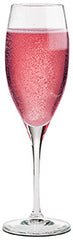
The Champagne Rosé Première Cuvée by Bruno Paillard is an Extra Brut that precisely expresses the character of its terroir. The result of a blend of Pinot Noir and Chardonnay, it stands out for its coppery pink colour and extremely fine perlage, achieved through the Traditional Method. On the nose, lively notes of redcurrant and small red fruits emerge, fading into hints of morello cherry, violet, and a citrus touch. On the palate, it reveals a perfect balance between maturity and chalky minerality, with a pure, airy finish free from heaviness.
Where it comes from
This cuvée is born in the heart of Champagne, selecting grapes from twelve particularly renowned villages. The name refers to the exclusive use of the first pressing, a choice that ensures the utmost purity of the must. In the glass, Chardonnay from the Côte des Blancs brings vibrant liveliness to the structure. The chalky soils, rich in gypsum, impart a distinct mineral imprint, resulting in a solid gustatory balance between the fruity component and pronounced savouriness.
How it is produced
Production involves vinifying the Pinot Noir both as a white, through rapid pressing, and as a red, via skin maceration. The blend is enriched with the addition of reserve wines from numerous historic vintages. Produced strictly according to the Traditional Method, the wine rests at constant temperatures to encourage the development of extremely fine bubbles. Aged on the lees for three years, followed by a six-month rest after disgorgement, it achieves impeccable harmony, making it ideal to accompany sushi and cured meats.
History and Curiosities
Bruno Paillard's Rosé Première Cuvée owes its name to the exclusive use of the first pressing, a symbol of absolute purity. This Champagne AOC is crafted from grapes sourced from twelve villages, enriched by reserve wines from over 25 vintages. The Pinot Noir, vinified both as a white and a red, is blended with Chardonnay, revealing a fresh chalky minerality. The wine rests for three years on the lees and is then further aged, resulting in an extremely fine perlage and an elegant finish.
Awards
-
 96
96/100
Decanter is a wine and lifestyle magazine, published monthly in around 90 countries. The magazine includes industry news, classic guides and advice on wine and spirits.
-
 91
91/100
James Suckling is an influential American wine critic and journalist who worked at Wine Spectator for 30 years. He left the magazine in 2010 to start his own website and guidebook (JamesSuckling.com). He specialises in Italian and Bordeaux wines.
-
 93
93/100
The prestigious international wine guide from the renowned Robert Parker, the world's most experienced and trusted wine taster.
-
 92
92/100
Vinous is the online guide from Antonio Galloni, one of the world's leading wine connoisseurs.
-
 90
90/100
Wine spectator is the most influential wine guide on the internet.
Tasting notes
Perlage
Perfume
Color
Taste
Serve at:
06 - 08 °C
Longevity:
05 - 10 years
- Oenologist: Mathieu Pingret
- Hectares: 32
According to Bruno Paillard, a great Champagne is first and foremost a blend of wines: first and foremost of crus, of grapes, but also vintages always with this desire to capture the quintessence of finesse and elegance that Champagne can offer when it is served lovingly. Read more


| Name | Bruno Paillard Champagne Premiere Cuvee Rosè Extra Brut |
|---|---|
| Type | Rosé classic method sparkling wine extra brut |
| Denomination | Champagne AOC |
| Size | 0,75 l |
| Alcohol content | 12.0% by volume |
| Grape varieties | 100% Pinot Nero |
| Country | France |
| Region | Champagne region |
| Vendor | Bruno Paillard |
| Story | History and Curiosities Bruno Paillard's Rosé Première Cuvée owes its name to the exclusive use of the first pressing, a symbol of absolute purity. This Champagne AOC is crafted from grapes sourced from twelve villages, enriched by reserve wines from over 25 vintages. The Pinot Noir, vinified both as a white and a red, is blended with Chardonnay, revealing a fresh chalky minerality. The wine rests for three years on the lees and is then further aged, resulting in an extremely fine perlage and an elegant finish. |
| Origin | Champagne, France (Côte des Blancs) |
| Fermentation temperature | Cool cellar temperature |
| Fermentation | 3 years on the lees; minimum ageing of 6 months after disgorgement |
| Production technique | Traditional method |
| Wine making | The juice of Pinot Noir in its two forms dominates the blend: white wine with rapid pressing and separation of the juice from the skins; red wine with prolonged maceration of a small portion of the must on the skins. A significant proportion of Chardonnay from the Côte des Blancs adds a touch of freshness. Produced exclusively from the first pressing, using the traditional method, with 3 years on the lees and a minimum ageing of 6 months after disgorgement. |
| Aging | 3 years on the lees; minimum ageing of 6 months after disgorgement |
| Allergens | Contains sulphites |