


Maison Vergnes
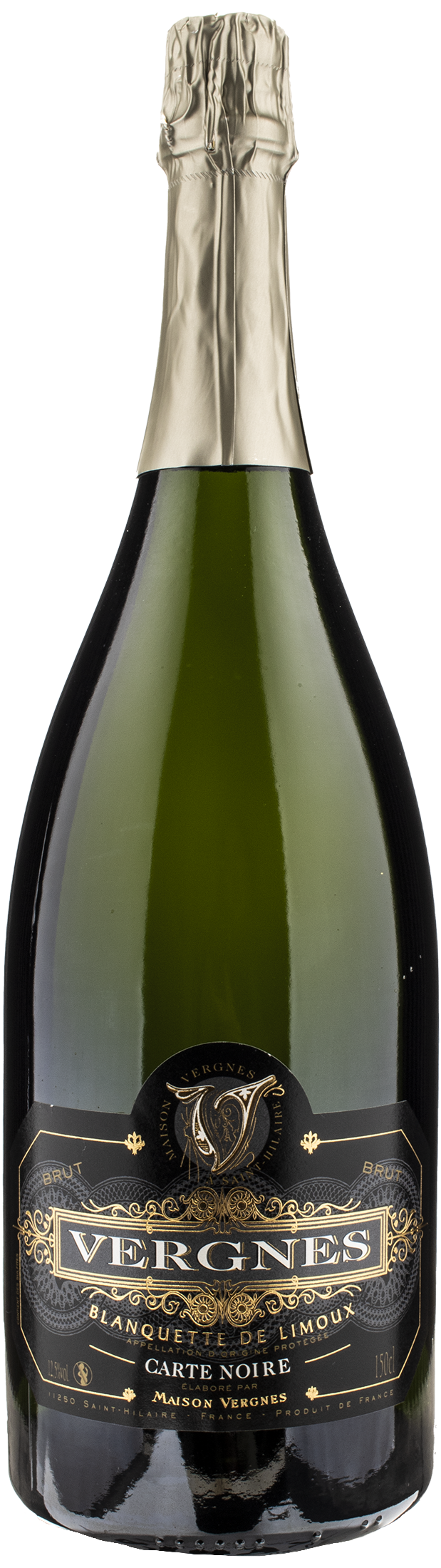
Blanquette de Limoux Carte Noir Brut Magnum
| Denomination | AOC Blanquette de Limoux |
|---|---|
| Size | 1,50 l |
| Alcohol content | 12.5% by volume |
| Area | Languedoc-Roussillon (France) |
| Grape varieties | 93% Mauzac, 4% Chenin Blanc, 3% Chardonnay |
Description
Sparkling wine from the DO Blanquette de Limoux, which owes its name to the thin white patina that covers the leaves of its grape, Mauzac, grown in the city of Limoux, in the Languedoc-Roussillon region of southern France. Its name is of very ancient origin, as it is even said to be the true precursor of Champagne. Its origins date back to the Benedictine monks who, while working on vinification techniques in the bottle, realized that due to an accidental combination, their still white wine had become sparkling. Their method, developed in 1531 in the Abbey of Saint Hilaire, became emblematic for the production of this sparkling wine. The main grape variety – at least 90% – is Mauzac, which takes its name from its geographical origin, the village of the same name near Toulouse, France. A smaller concentration of 10% Chardonnay and/or Chenin are permitted to complete the cuvée. From the Maison Vergnes winery, this wine embodies the character of the clay-limestone soils that gave it birth, with a complex climate influenced by both the Mediterranean and the ocean. For optimal production, the vinification process involves the champenoise method. First, the refermentation process is induced by the introduction of selected yeasts and sugars. The bottles are then left to rest on the lees for 9 months before disgorgement.
Tasting notes
Perlage
Perfume
Color
Taste
Serve at:
06 - 08 °C
Longevity:
05 - 10 years
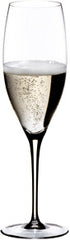


| Name | Vergnes Blanquette de Limoux Carte Noir Brut Magnum |
|---|---|
| Type | White classic method sparkling wine brut |
| Denomination | Blanquette de Limoux AOC |
| Size | 1,50 l |
| Alcohol content | 12.5% by volume |
| Grape varieties | 93% Mauzac, 4% Chenin Blanc, 3% Chardonnay |
| Country | France |
| Region | Languedoc-Roussillon |
| Vendor | Maison Vergnes |
| Origin | Saint Hilaire- Limoux |
| Wine making | Classic method with 9 months on the lees. |
| Allergens | Contains sulphites |