


Montenisa (Antinori)
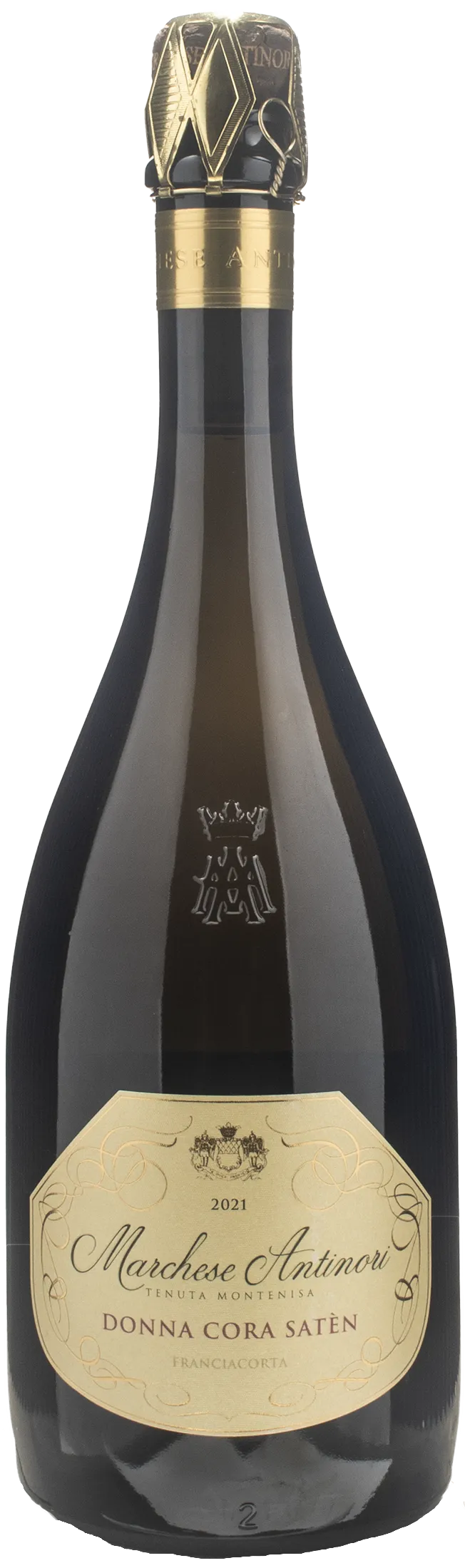
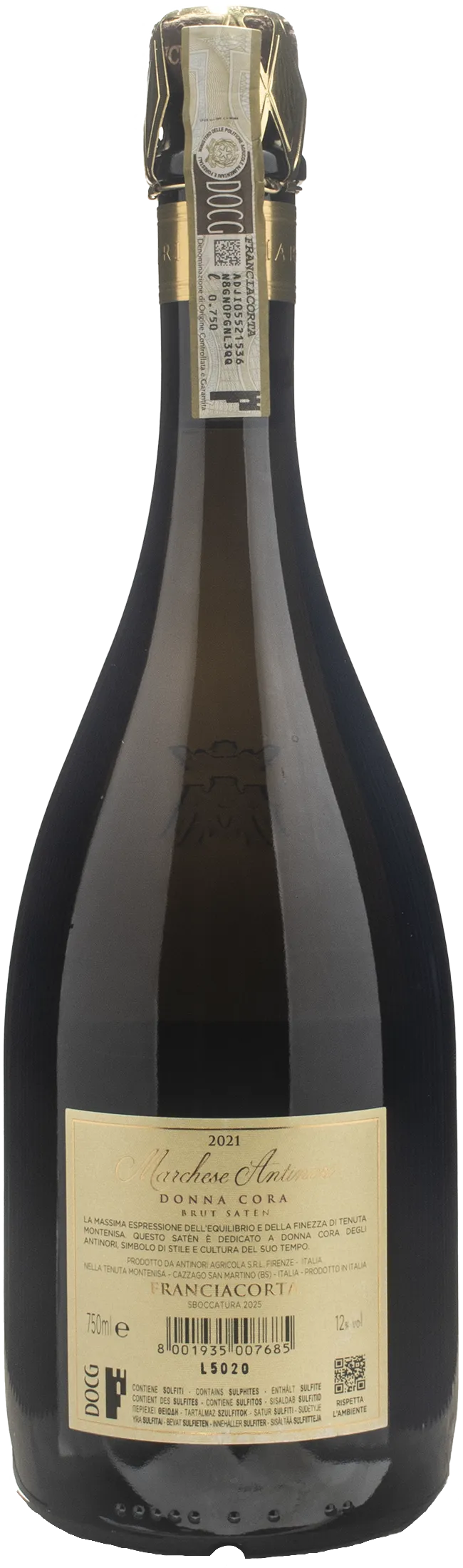
Tenuta Montenisa Franciacorta Brut Saten Donna Cora 2021
| Denomination | DOCG Franciacorta Saten Brut |
|---|---|
| Size | 0,75 l |
| Alcohol content | 12.0% by volume |
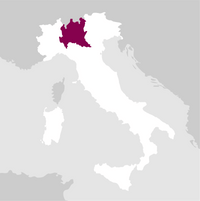
| Area | Lombardy (Italy) |
| Grape varieties | 75% Chardonnay, 25% Pinot Nero |
Description
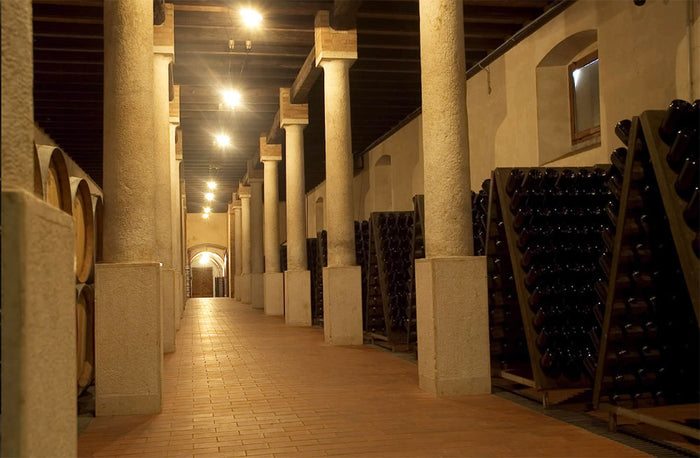
Brut white Franciacorta DOCG, Lombardy, 12% ABV, produced by Montenisa (Antinori). Blend: 75% Chardonnay, 25% Pinot Noir, 2021 vintage. A Franciacorta born south of Lake Iseo, in one of the most favorable geoclimatic areas of the wine-growing region. The whole Chardonnay bunches were directly subjected to a soft pressing. The free-run must, obtained from the first pressing, underwent the first alcoholic fermentation, which took place in stainless steel tanks and small barriques. Towards spring of the following year, the wine began its second fermentation process in the bottle and then remained in contact with the lees for 60 months. Delicate aroma with hints of floral notes of white-fleshed fruit. Straw yellow with very light golden reflections. On the palate, it is harmonious and balanced; a fine and elegant wine.
Tasting notes

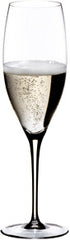
Perlage

Perfume

Color

Taste
Serve at:
06 - 08 °C
Longevity:
05 - 10 years
- Start up year: 1999
- Oenologist: Renzo Cotarella, Giorgio Oddi
- Bottles produced: 500.000
- Hectares: 60
The most important building is undoubtedly the 'Palazzetto Maggi' built in the 16th century and frescoed by the Lattanzio Gambara (1530-1574) from Brescia. This building is located in the centre of two large courtyards enclosed by porticoes.
The small church of Santo Stefano is also part of the estate. It is on the hill of the same name and overlooks the village: immersed in greenery amidst vineyards, this thousand-year-old parish church, with its Greek-cross plan, has for centuries preserved the tombs of the local noble Calini family. Read more

| Name | Marchese Antinori Tenuta Montenisa Franciacorta Brut Saten Donna Cora 2021 |
|---|---|
| Type | White brut |
| Denomination | Franciacorta DOCG |
| Vintage | 2021 |
| Size | 0,75 l |
| Alcohol content | 12.0% by volume |
| Grape varieties | 75% Chardonnay, 25% Pinot Nero |
| Country | Italy |
| Region | Lombardy |
| Vendor | Montenisa (Antinori) |
| Origin | Cazzago S. Martino (BS) |
| Wine making | The whole bunches of Chardonnay were directly subjected to a soft pressing. The 'flower' must, i.e. that obtained from the first pressing, was subjected to the first alcoholic fermentation that took place in stainless steel tanks and small barriques. Around spring of the following year, the wine began the second fermentation process in the bottle and subsequent contact with the yeasts for a period of 60 months. |
| Allergens | Contains sulphites |