
Under the law of Hong Kong, intoxicating liquor must not be sold or supplied to a minor in the course of business. | 根據香港法律,不得在業務過程中,向未成年人售賣或供應令人醺醉的酒類。


Brundelmayer
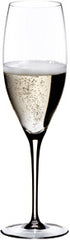
Spumante Metodo Classico Riserva Brut
| Denomination | N/A |
|---|---|
| Size | 0,75 l |
| Alcohol content | 11.5% by volume |
| Area | Weinviertel (Lower Austria) (Austria) |
| Grape varieties | Chardonnay, Gruner Veltliner, Pinot Bianco, Pinot Grigio |
| Aging | The following year, the base wine is bottled together with some sugar and yeast for secondary fermentation and gets 18 months of yeast contact before the riddling process. During this process, the sediment forms during secondary fermentation. |


Description
Brut classic method sparkling wine, produced by Brundelmayer in the Weinviertel region of Lower Austria. Blend: Chardonnay, Gruner Veltliner, Pinot Blanc, and Pinot Grigio. 0.75L bottle. A classic method reserve born from a passion for tradition and excellence. The grapes are selected in September, when acidity and ripeness have reached their peak. It ferments in stainless steel, where it also undergoes malolactic fermentation before being transferred to used 300L (or 2,500L) Austrian oak barrels with approximately 10% lees. The following year, the base wine is bottled along with some sugars and yeasts for secondary fermentation and spends 18 months on the lees before the riddling process. Fruity aromas, accompanied by notes of white bread, brioche, and stewed apricot. Considerable body, firm and open, very rounded and juicy, and fruity.
Tasting notes
Perfume
Taste
Serve at:
08 - 10 °C
Longevity:
05 - 10 years


| Name | Brundelmayer Spumante Metodo Classico Riserva Brut |
|---|---|
| Type | White classic method sparkling wine brut |
| Denomination | N/A |
| Size | 0,75 l |
| Alcohol content | 11.5% by volume |
| Grape varieties | Chardonnay, Gruner Veltliner, Pinot Bianco, Pinot Grigio |
| Country | Austria |
| Region | Weinviertel (Lower Austria) |
| Vendor | Brundelmayer |
| Climate | Altitude: 260-380 m a.s.l. Exposure: South-West. |
| Harvest | The grapes are selected in September when the acidity and ripeness have reached their perfect point for the base wine of the sparkling wine production. |
| Wine making | It ferments in stainless steel and undergoes malolactic fermentation before being racked into used 300-litres (or 2,500-litres) Austrian oak barrels with approximately 10% of lees. |
| Aging | The following year, the base wine is bottled together with some sugar and yeast for secondary fermentation and gets 18 months of yeast contact before the riddling process. During this process, the sediment forms during secondary fermentation. |
| Total acidity | 7.0 gr/L |
| Allergens | Contains sulphites |