


Chateau Bastor-Lamontagne
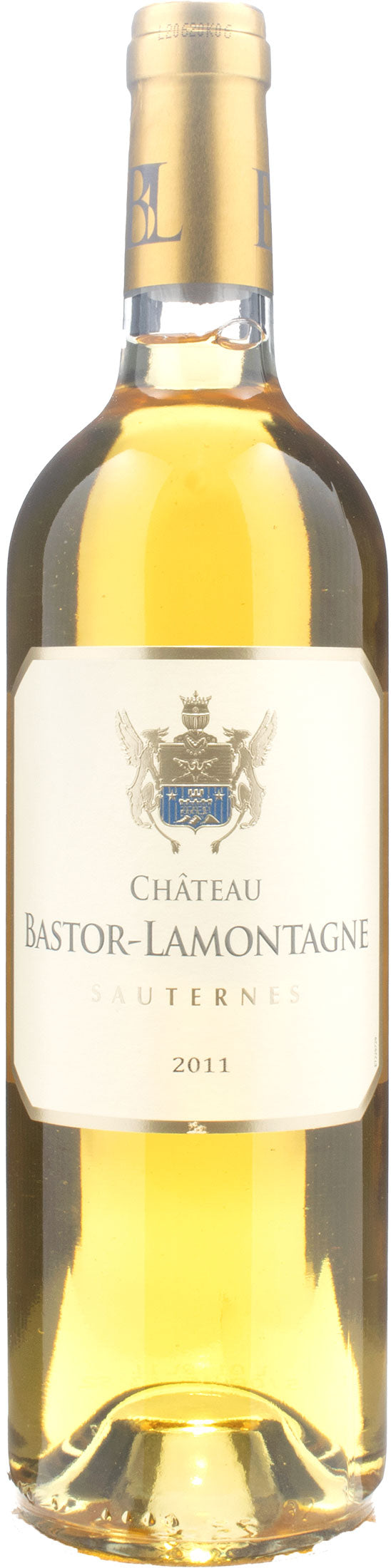
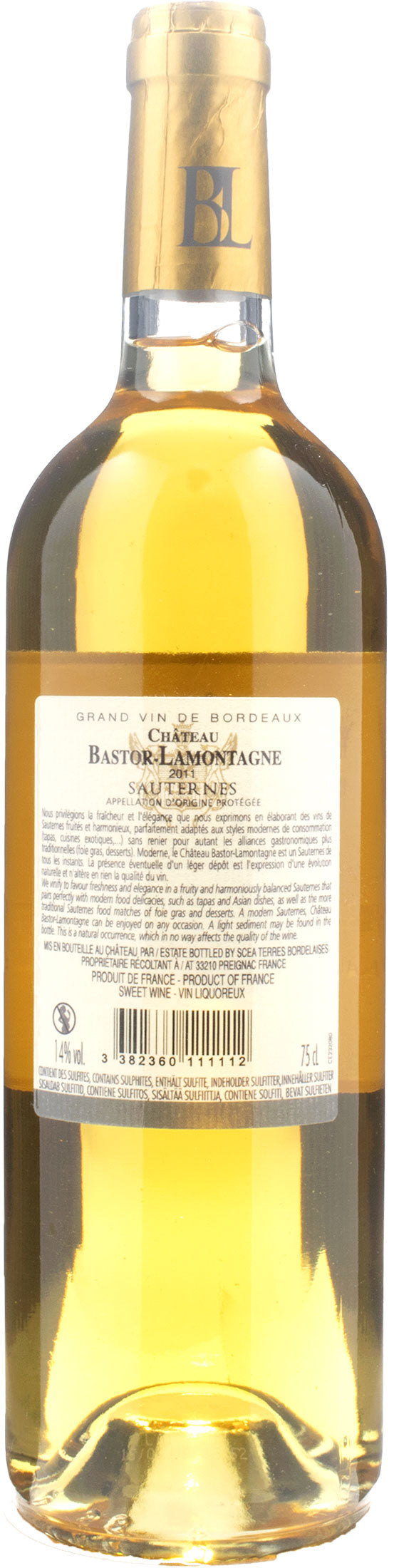
Sauternes 2011
Other years:
2023| Denomination | AOC Sauternes |
|---|---|
| Size | 0,75 l |
| Alcohol content | 14.0% by volume |
| Area | Bordeaux (France) |
| Grape varieties | Sauvignon, Semillon |
| Aging | After fermentation, the wine was aged on the lees for several months. |
| Other years | 2023 |
- Name and vintage: Sauternes DOC 2011, sweet white passito wine from Bordeaux, France
- Grape variety and alcohol content: Blend of Sémillon and Sauvignon; 14% ABV; 0.75 litre bottle
- Aromatic profile: Floral and delicate notes, with peach, pear and hints of candied apricot
- Vinification: Hand-harvested, 50% in barrel and 50% in steel, aged on the lees
- Serving and awards: Serve at 10-12°C with desserts and cheeses; 90 pts Suckling, 89 pts Vinous
Description
What kind of wine it is
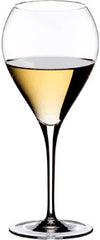
Chateau Bastor Lamontagne Sauternes is a sweet white wine produced in Bordeaux through a skilful blend of Sauvignon and Semillon grapes. In the glass, it displays an intense golden colour, which heralds a delicate, floral bouquet. On the nose, clear aromas of white fruit such as peach and pear emerge, harmoniously balanced by hints of candied apricot. On the palate, it offers a rich and structured sip, ensuring a satisfying tasting experience, ideal paired with cheeses and sweet dishes.
Where it comes from
This wine originates from the area of Preignac, within the Bordeaux region of France. The vineyards of Chateau Bastor-Lamontagne stretch across gravelly-siliceous soils with a limestone base, an ideal composition for imparting great finesse. The estate boasts documented origins dating back to 1711 and operates under organic farming methods. It is in fact one of the very few estates in the Sauternes area to hold official certification, guaranteeing a pure expression of the terroir.
How it is produced
The winemaking process begins with meticulous manual harvesting, essential for selecting the best bunches. The musts, gently extracted through pneumatic pressing, undergo a light cold settling. Fermentation takes place partly in barrels and partly in stainless steel at strictly controlled temperatures. The wine then continues with careful ageing on the lees for several months. This technique enriches the structure, giving the sip greater roundness and perfect harmony.
History and Curiosities
The origins of Château Bastor-Lamontagne date back to 1711, when the estate passed to Bordeaux councillor Vincent de La Montaigne. Purchased in 1839 by the Larrieu family, the current 56-hectare property in Preignac has made viticulture its main mission. This prestigious Sauternes AOC from 2011 is a true excellence, produced by one of only three estates in the appellation to boast organic certification. Every glass tells a glorious story and offers the pure expression of an exceptional gravelly-siliceous soil.
Awards
-
2011
 90
90/100
James Suckling is an influential American wine critic and journalist who worked at Wine Spectator for 30 years. He left the magazine in 2010 to start his own website and guidebook (JamesSuckling.com). He specialises in Italian and Bordeaux wines.
-
2011
 89
89/100
Vinous is the online guide from Antonio Galloni, one of the world's leading wine connoisseurs.
Tasting notes
Perfume

Color
Taste
Serve at:
10 - 12 °C
Longevity:
15 - 25 years
- Hectares: 56
This ancient royal property with three centuries of history has converted its winemaking to organic ("biological") farming since 2010. Château Bastor-Lamontagne is one of the three properties of the sauternes appellation detaining an « Organic » certification. Read more


| Name | Chateau Bastor Lamontagne Sauternes 2011 |
|---|---|
| Type | White dessert wine dessert wine |
| Denomination | Sauternes AOC |
| Vintage | 2011 |
| Size | 0,75 l |
| Alcohol content | 14.0% by volume |
| Grape varieties | Sauvignon, Semillon |
| Country | France |
| Region | Bordeaux |
| Vendor | Chateau Bastor-Lamontagne |
| Story | History and Curiosities The origins of Château Bastor-Lamontagne date back to 1711, when the estate passed to Bordeaux councillor Vincent de La Montaigne. Purchased in 1839 by the Larrieu family, the current 56-hectare property in Preignac has made viticulture its main mission. This prestigious Sauternes AOC from 2011 is a true excellence, produced by one of only three estates in the appellation to boast organic certification. Every glass tells a glorious story and offers the pure expression of an exceptional gravelly-siliceous soil. |
| Origin | Preignac, Bordeaux, France |
| Soil composition | Ghiaioso-siliceo su base calcarea |
| Fermentation temperature | 18-20 °C |
| Production technique | Manual harvest; pneumatic pressing; light cold settling of the must; fermentation 50% in barrels and 50% in stainless steel vats at controlled temperature (18-20 °C); ageing on the lees for several months |
| Wine making | The musts were extracted using a pneumatic press, subjected to gentle cold settling, and fermented 50% in barrels and the remaining 50% in stainless steel vats at a controlled temperature (18-20 °C). After fermentation, the wine was aged on the lees for several months. |
| Aging | After fermentation, the wine was aged on the lees for several months. |
| Allergens | Contains sulphites |