


Sartarelli
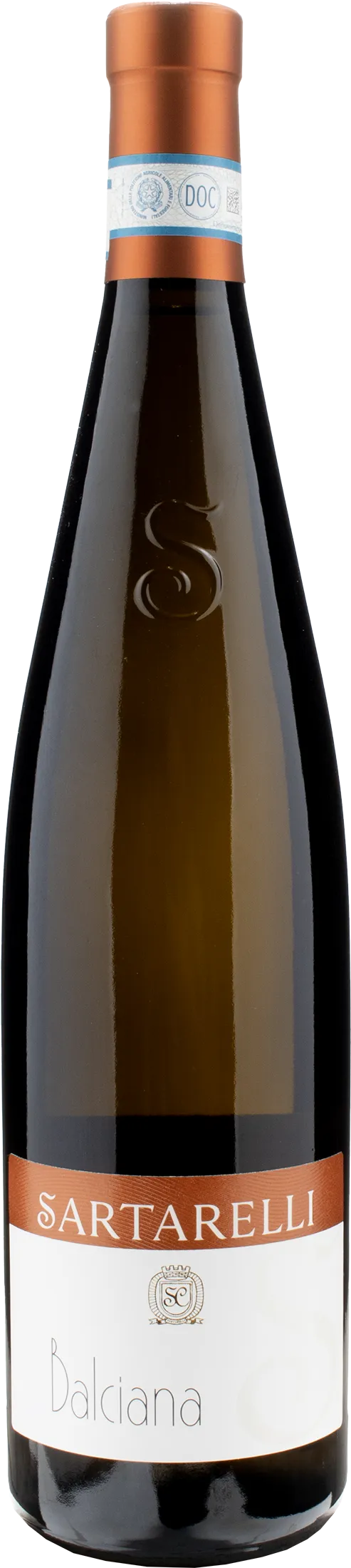
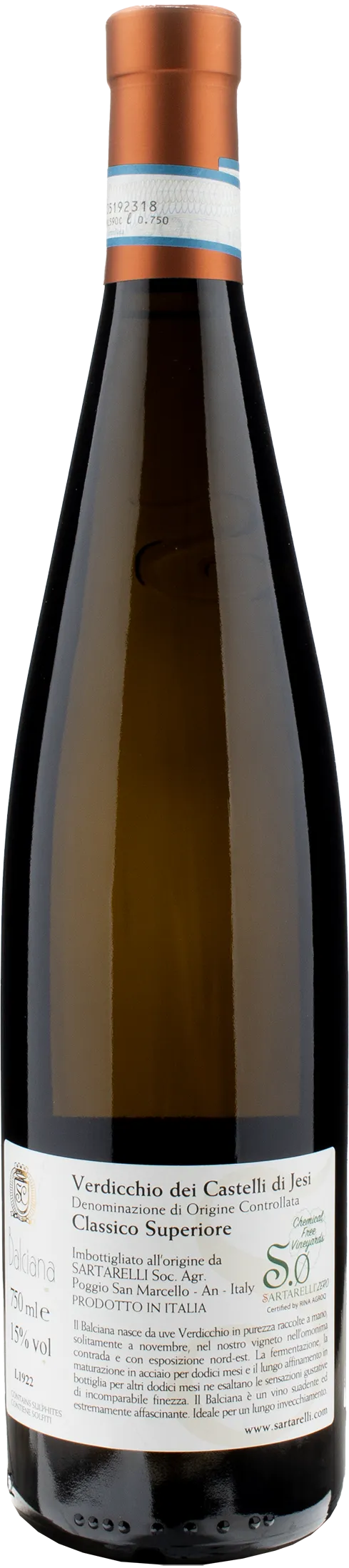
Verdicchio dei Castelli di Jesi Classico Superiore Balciana 2021
| Denomination | DOC Verdicchio dei Castelli di Jesi Classico Superiore |
|---|---|
| Size | 0,75 l |
| Alcohol content | 15.0% by volume |
| Area | Marche (Italy) |
| Grape varieties | 100% Verdicchio Bianco |
Description
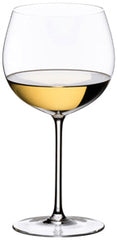
Still white Verdicchio dei Castelli di Jesi Classico Superiore DOC, 15% ABV, produced by Sartarelli. 100% Verdicchio. 0.75 L bottle, 2021 vintage. A wine born from a passion for Verdicchio, a native grape of the Marche region, cultivated with care and dedication. Ample on the nose, ripe fruit, including tropical fruit, with sweet notes of honey and lime blossom, as well as spicy and citrus notes, licorice root, and almonds. Brilliant to the eye, it is dressed in a gleaming gold. It is wonderfully harmonious on the palate, with a great alcoholic structure tempered by savory strength and freshness. What makes it even more unique is its long finish, with a sea-salty finish.
Awards
-
2021
 5
5Italian Sommelier Foundation (FIS) guide This has been one of the most prestigious wine guides in Italy for over 10 years.
-
2021
 90
90/100
James Suckling is an influential American wine critic and journalist who worked at Wine Spectator for 30 years. He left the magazine in 2010 to start his own website and guidebook (JamesSuckling.com). He specialises in Italian and Bordeaux wines.
-
2021
 3
3One of the most prestigious wine guides in Italy.
-
2021
 94
94/100
Vinous is the online guide from Antonio Galloni, one of the world's leading wine connoisseurs.
-
2021
 4
4Italian Sommelier Association (AIS) guide
Tasting notes
Perfume

Color
Taste
Serve at:
12 - 14 °C
Longevity:
05 - 10 years
- Start up year: 1972
- Oenologist: Tommaso Chiacchiarini Sartarelli
- Bottles produced: 250.000
- Hectares: 45
Here we can find some of the most historically important Verdicchio producing districts, such as Coste del Molino, Tralivio and Balciana. It is here where our oldest vineyards gently line the distinctive hill slopes of the area. Read more


| Name | Sartarelli Verdicchio dei Castelli di Jesi Classico Superiore Balciana 2021 |
|---|---|
| Type | White green still |
| Denomination | Verdicchio dei Castelli di Jesi DOC |
| Vintage | 2021 |
| Size | 0,75 l |
| Alcohol content | 15.0% by volume |
| Grape varieties | 100% Verdicchio Bianco |
| Country | Italy |
| Region | Marche |
| Vendor | Sartarelli |
| Origin | Poggio San Marcello (AN) |
| Climate | Altitude: 300-350 m. a.s.l. Exposure: North-East. |
| Soil composition | Medium limestone mixture. |
| Cultivation system | Simple Guyot. |
| Plants per hectare | 2500 |
| Yield per hectare | 9 tonnes. |
| Harvest | The harvest period varies according to the course of each vintage, but usually runs from the beginning of November until the middle of the same month. |
| Wine making | Extreme care in the harvesting phase (small crates), so as not to damage the bunches that have reached this level of ripeness, concludes the work in the vineyard, and then we move on to normal cellar techniques (with the exclusive use of steel tanks), careful not to ruin all the work previously carried out. |
| Allergens | Contains sulphites |