
Marchesi Antinori
Tignanello 2004
| Dénomination | Toscana IGT |
|---|---|
| Format de la bouteille | 0,75 l |
| Titre alcoolique | 13.5% par volume |
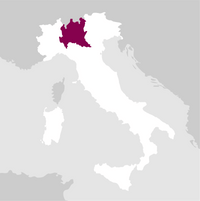
| Zone | Toscane (Italie) |
| Cépages | 85% Sangiovese, 10% Cabernet Sauvignon, 5% Cabernet Franc |
| Vieillissement | Placed in new oak barriques where malolactic fermentation took place by the end of the year. They were then blended and aged for 12 months in barriques, racked and then tasted barrique by barrique before bottling. After another year ageing in the bottles the wine was released for sale |
| Année | 2004 |
| Nom du Produit | Tignanello 2004 |
| Couleur | Very intense ruby red colour. |
| Parfum | Nicely expressed varietal aromas with hints of black berry fruit. The palate is weighty, dense and vibrant with complex structure thanks to support of the acidity. Long and lingering with hints of chocolate, coffee and marmalade in the aftertaste. |
| Goût | The beautifully handled tannin from the wine and wood blend making Tignanello a very complex, stylish and sophisticated wine. |
| Méthode de Production | Devatting, at the end of alcoholic fermentation, the wines were placed in new oak barriques where malolactic fermentation took place by the end of the year. |
| Accords | First plates to the gravy, red and white meats, mannered and cheeses, wine from meditation. |
| Région | Toscane |
| Pays | Italie |
| Autres années | 2000 , 2022 |
Récompenses
-
2004
 3
3Ce guide est très reconnu et fournit l'évaluation la plus approfondie des vins italiens. Il a une longue tradition et est basé sur des dégustations à l'aveugle par plus de 100 experts.
-
2004
 93
93/100
Le prestigieux guide international des vins du célèbre Robert Parker, le dégustateur le plus expérimenté et le plus fiable au monde.
-
2004
 95
95/100
Le Wine Spectator est le guide du vin le plus influent sur Internet.
Détails

Parfum

Couleur
Goût
Servir à :
°C.
Longévité :
15-25 ans
Temps de décantation :
2 heures
Accords
- Année de création: 1385
- Oenologue: Renzo Cotarella
Mais c'est au XVIe siècle qu'Alessandro Antinori, banquier et négociant, fait connaître le vin de ses domaines en Italie et à l'étranger, voyageant de Lyon aux Flandres, de l'Espagne à Alger.
Le vin est resté la passion et l'activité principale de la famille au point qu'en 1898, la "Fattoria dei Marchesi Lodovico e Piero Antinori" a été fondée par les deux frères Lodovico et Piero, fils du marquis Niccolò - descendant direct de ce Niccolò qui, en 1506, avait acheté le Palazzo Antinori et qui avait déjà beaucoup fait pour faire connaître les vins toscans dans le monde entier et en faire un produit de haute qualité. En 2023, au début du mois de février, Villa Antinori Toscana IGT 2019 a été nommé troisième vin au monde, le seul vin italien, dans le Top 10 Values 2022 du Wine Specator : la liste des 10 vins qui, selon le magazine américain, représentent l'excellence mondiale en termes de rapport qualité-prix. Lire la suite
| Nom | Antinori Tignanello 2004 |
|---|---|
| Type | Rouge tranquille |
| Dénomination | Toscana IGT |
| Millésime | 2004 |
| Format | 0,75 l |
| Teneur en alcool | 13.5% par volume |
| Cépages | 85% Sangiovese, 10% Cabernet Sauvignon, 5% Cabernet Franc |
| Pays | Italie |
| Région | Toscane |
| Fournisseur | Marchesi Antinori |
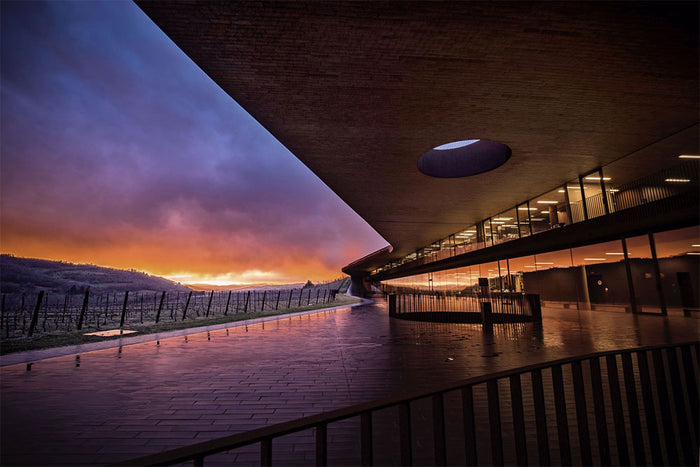
| Origine | Tignanello is made exclusively from the vineyard of the same name which is situated on the Tignanello estate covering 47 south-west-facing hectares at altitudes between 350 and 400 metres a.s.l.. |
| Composition du sol | Limestone and tufaceous soil |
| Rendement par hectare | Less than 8..000 kg |
| Récolte | The weather conditions during the harvest made very careful selection of the best grapes necessary, especially in the case of the Sangiovese. As in previous years, great care was taken during the fermentation and extraction phases, carrying out more frequent but less intense délestage and pumping over to obtain the best results for colour and tannins. |
| Température de fermentation | For all three varieties, fermentation took placed at an average temperature of 27°, and an absolute maximum of 31°, to preserve as greatly as possible the aromas and typical features of the fruit. |
| Fermentation | From the beginning the must showed great complexity and above all (in the case of the Sangiovese) very typical varietal aromas and elegance. |
| Technique de production | Devatting, at the end of alcoholic fermentation, the wines were placed in new oak barriques where malolactic fermentation took place by the end of the year. |
| Vieillissement | Placed in new oak barriques where malolactic fermentation took place by the end of the year. They were then blended and aged for 12 months in barriques, racked and then tasted barrique by barrique before bottling. After another year ageing in the bottles the wine was released for sale |
| Année de production | 330000 bouteilles |
| Allergènes | Contient des sulfites |