
Marchesi Antinori
Tignanello 2004
| Denominación | Toscana IGT |
|---|---|
| Tamaño | 0,75 l |
| Grado alcohólico | 13.5% por volumen |
| Zona | Toscana (Italia) |
| Variedades de uva | 85% Sangiovese, 10% Cabernet Sauvignon, 5% Cabernet Franc |
| Crianza | Placed in new oak barriques where malolactic fermentation took place by the end of the year. They were then blended and aged for 12 months in barriques, racked and then tasted barrique by barrique before bottling. After another year ageing in the bottles the wine was released for sale |
| Añada | 2004 |
| Nombre del Producto | Tignanello 2004 |
| Color | Very intense ruby red colour. |
| Perfume | Nicely expressed varietal aromas with hints of black berry fruit. The palate is weighty, dense and vibrant with complex structure thanks to support of the acidity. Long and lingering with hints of chocolate, coffee and marmalade in the aftertaste. |
| Sabor | The beautifully handled tannin from the wine and wood blend making Tignanello a very complex, stylish and sophisticated wine. |
| Método de Producción | Devatting, at the end of alcoholic fermentation, the wines were placed in new oak barriques where malolactic fermentation took place by the end of the year. |
| Maridajes | First plates to the gravy, red and white meats, mannered and cheeses, wine from meditation. |
| Región | Toscana |
| País | Italia |
| Otros años | 2000 , 2022 |
Premios
-
2004
 3
3Esta guía es sumamente respetada y proporciona la valoración más detallada de los vinos italianos. De gran tradición, se basa en catas a ciegas efectuadas por más de 100 expertos.
-
2004
 93
93/100
La prestigiosa guía internacional de vinos del famoso Robert Parker, el catador más experto y fiable del mundo.
-
2004
 95
95/100
Wine spectator es la guía sobre vinos más influyente de internet.
Detalles

Perfume

Color

Sabor
Servir a:
°C.
Longevidad:
15 - 25 años
Tiempo de decantación:
2 horas
Maridajes
- Año de inicio: 1385
- Enólogo: Renzo Cotarella
Sin embargo, fue con el siglo XVI cuando Alessandro Antinori, banquero y comerciante, dio a conocer el vino de sus fincas tanto en Italia como en el extranjero, viajando de Lyon a Flandes, de España a Argel.
El vino siguió siendo la pasión y la actividad principal de la familia hasta el punto de que en 1898 se fundó la "Fattoria dei Marchesi Lodovico e Piero Antinori" por los dos hermanos Lodovico y Piero, hijos del marqués Niccolò - descendiente directo de aquel Niccolò que en 1506 había comprado el Palazzo Antinori y que ya había hecho mucho por dar a conocer los vinos toscanos en todo el mundo y convertirlos en un producto de alta calidad. Durante 26 generaciones, la familia Antinori ha continuado esa historia. En 2023, a principios de febrero, Villa Antinori Toscana IGT 2019 fue nombrado el tercer vino del mundo, el único italiano, en el Top 10 Values 2022 de Wine Specator: la lista de los 10 vinos que, según la revista estadounidense, representan la excelencia mundial en términos de relación calidad-precio. Leer más
| Nombre | Antinori Tignanello 2004 |
|---|---|
| Tipo | Tinto tranquilo |
| Denominación | Toscana IGT |
| Añada | 2004 |
| Tamaño | 0,75 l |
| Grado alcohólico | 13.5% por volumen |
| Variedades de uva | 85% Sangiovese, 10% Cabernet Sauvignon, 5% Cabernet Franc |
| País | Italia |
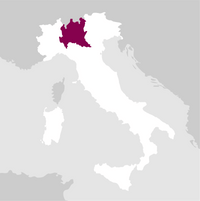
| Región | Toscana |
| Proveedor | Marchesi Antinori |
| Origen | Tignanello is made exclusively from the vineyard of the same name which is situated on the Tignanello estate covering 47 south-west-facing hectares at altitudes between 350 and 400 metres a.s.l.. |
| Composición del suelo | Limestone and tufaceous soil |
| Rendimiento por hectárea | Less than 8..000 kg |
| Cosecha | The weather conditions during the harvest made very careful selection of the best grapes necessary, especially in the case of the Sangiovese. As in previous years, great care was taken during the fermentation and extraction phases, carrying out more frequent but less intense délestage and pumping over to obtain the best results for colour and tannins. |
| Temperatura de fermentación | For all three varieties, fermentation took placed at an average temperature of 27°, and an absolute maximum of 31°, to preserve as greatly as possible the aromas and typical features of the fruit. |
| Fermentación | From the beginning the must showed great complexity and above all (in the case of the Sangiovese) very typical varietal aromas and elegance. |
| Técnica de elaboración | Devatting, at the end of alcoholic fermentation, the wines were placed in new oak barriques where malolactic fermentation took place by the end of the year. |
| Crianza | Placed in new oak barriques where malolactic fermentation took place by the end of the year. They were then blended and aged for 12 months in barriques, racked and then tasted barrique by barrique before bottling. After another year ageing in the bottles the wine was released for sale |
| Año de producción | 330000 botellas |
| Alérgenos | Contiene sulfitos |